

To prepare for a surprise health inspection without panic, stay proactive by maintaining a clean, organized environment and ensuring all records are up to date. Train your staff regularly so they know their responsibilities and can confidently explain compliance measures. Conduct routine self-inspections to spot issues early and keep safety equipment in good shape. Stay calm and professional during the visit, knowing you’re well-prepared. If you want practical tips, uncover more strategies to stay ready at all times.

Get kitchen staples and gadgets delivered free with Prime
- Fast, free delivery on millions of items
- Prime Video, Amazon Music and more included
- Member-only deals all year
Key Takeaways
- Maintain daily cleanliness and organization to ensure readiness at all times.
- Keep accurate, up-to-date records easily accessible for quick review.
- Conduct regular self-inspections to identify and address potential issues proactively.
- Train staff regularly on health protocols and inspection procedures to build confidence.
- Foster a calm, team-oriented attitude to handle inspections confidently and professionally.
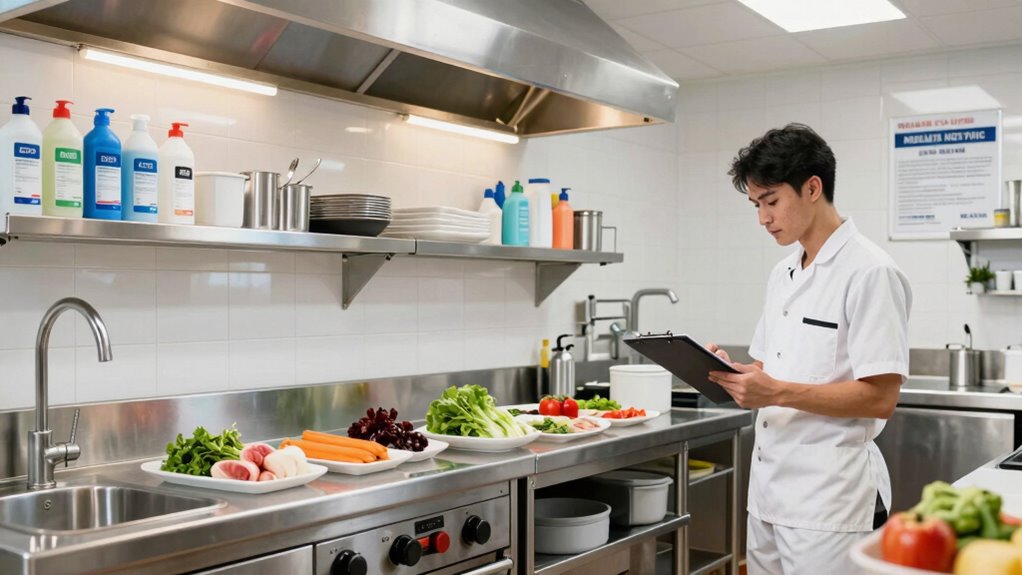
Surprise health inspections can catch you off guard, but with the right preparation, you can handle them confidently. The key is to stay proactive and organized, especially when it comes to staff training and maintaining accurate documentation. When your team is well-trained, they understand the importance of following health protocols and can respond quickly and correctly to inspector questions. Regular staff training sessions help reinforce sanitation standards, food safety procedures, and proper handling techniques. Make sure everyone knows their responsibilities and is comfortable explaining how they keep the workspace compliant. This preparation minimizes mistakes and shows the inspector that your team is committed to maintaining high standards. Additionally, understanding the importance of biodiversity can help you appreciate the broader impact of sustainable practices in your environment. Staying informed about site health monitoring practices can also help you identify potential issues early and address them proactively. Incorporating proper record-keeping practices into your routine ensures that you can easily retrieve necessary documentation during an inspection. Being aware of inspection readiness strategies can further help you stay prepared for any unexpected visits. Documentation accuracy is equally critical. Keep all your records up to date and easily accessible. This includes food safety logs, cleaning schedules, employee health records, and training certifications. When inspectors ask for proof of compliance, having well-organized documentation demonstrates your dedication to maintaining a safe environment. Review your records regularly to ensure accuracy and completeness, and address any gaps before an inspection occurs. Regularly conducting self-inspections can help you identify potential issues early, reducing last-minute stress. Remember, having detailed, precise documentation can often be the difference between passing smoothly and facing citations.
Proactive staff training and accurate documentation ensure you’re prepared for surprise health inspections with confidence.
Beyond training and documentation, cleanliness and organization are essential. Conduct routine self-inspections to identify and address potential issues before the official visit. Keep all storage areas tidy, ensure all surfaces are sanitized regularly, and confirm that safety equipment is in good working order. A clean, well-maintained environment not only impresses inspectors but also helps prevent health violations. You should also develop a clear communication plan for your staff. Everyone needs to know what to do when an inspector arrives. Assign specific roles, such as who will answer questions, who will show records, and who will handle walkthroughs. Make sure your team understands the importance of staying calm and professional throughout the process. Encouraging open communication and teamwork reduces stress and ensures the inspection goes smoothly. Finally, stay calm and confident. If you’ve prepared thoroughly—training your staff, keeping accurate records, maintaining cleanliness, and planning your response—you’ll handle surprises with ease. Remember, surprise inspections are an opportunity to showcase your commitment to health standards. By staying organized and proactive, you turn an unexpected visit into a reflection of your dedication to a safe, compliant environment.
food safety inspection checklist
As an affiliate, we earn on qualifying purchases.
As an affiliate, we earn on qualifying purchases.
Frequently Asked Questions
What Are Common Violations Found During Health Inspections?
During health inspections, common violations include poor sanitation standards, such as dirty surfaces, improper food storage, and inadequate pest control. You should also guarantee your staff is properly trained in hygiene practices, handling food safely, and following protocols. Regularly reviewing sanitation standards and conducting staff training helps prevent violations. Staying organized, maintaining cleanliness, and emphasizing staff awareness are key to passing inspections smoothly and avoiding costly penalties.
How Often Should I Conduct Internal Audits?
You should conduct internal audits regularly, ideally monthly, to guarantee ongoing compliance with sanitation standards. During these audits, focus on evaluating employee training, making sure staff consistently follow proper procedures. Frequent checks help identify potential violations early, reducing surprises during inspections. By maintaining a routine, you create a culture of cleanliness and accountability, which keeps your establishment prepared and confident, even when inspections come unexpectedly.
What Equipment Needs to Be Calibrated Regularly?
You should regularly calibrate equipment that impacts food safety and quality, such as thermometers, scales, and pH meters. Maintaining an accurate calibration schedule guarantees equipment accuracy, preventing errors during inspections. Follow manufacturer recommendations and set reminders for calibration intervals. Regular calibration minimizes risks, demonstrates your commitment to safety, and helps you stay prepared for any surprise health inspections, giving you confidence that your equipment functions correctly at all times.
How to Handle a Surprise Inspection if Staff Is Absent?
Imagine a surprise inspection occurs when your staff is short-staffed. You quickly activate your staff backup plan, calling on trained employees or on-call personnel. Follow your emergency protocols to guarantee critical areas stay compliant. Keep documentation handy to demonstrate your preparedness. Staying calm and organized helps you handle the situation smoothly, showing inspectors your commitment to safety, even with limited staff.
What Documentation Should Be Readily Available During Inspection?
During an inspection, you should have staff training records, sanitation logs, licensing documents, and safety protocols readily available. Keep your documentation organized in a designated area for quick access. Regularly update and review these records to guarantee compliance. Being prepared with well-organized documentation and up-to-date staff training records demonstrates your commitment to health standards, helping you handle the surprise inspection smoothly and confidently.
Conclusion
Remember, staying prepared isn’t a one-time act but an ongoing commitment—think of it as tending a garden that blooms with cleanliness and order. Keep your space tidy, train your staff, and stay updated on health standards. When a surprise inspection comes knocking, you’ll be ready to greet it with confidence, turning what could be a storm into a calm breeze. Stay vigilant, and you’ll always weather the inspection with ease.
Halloween Picks
halloween
As an affiliate, we earn on qualifying purchases.