
TL;DR
The best lunch box food containers balance safety, functionality, and eco-friendliness. From stainless steel to collapsible silicone, choosing wisely can improve your daily meals and reduce waste.
Ever opened your lunch box and found soggy sandwiches or spilled salads? It’s frustrating—and wasteful. Choosing the right container isn’t just about looks. It’s about keeping your food fresh, safe, and free from leaks. Whether you pack for work, school, or a picnic, your container makes all the difference.
In this guide, you’ll learn what materials work best, the features to look for, and the latest trends that can make packing your lunch easier and more eco-friendly. Get ready to upgrade your lunch game with smart choices that save time and reduce waste.
Choose BPA-free plastic, stainless steel, or glass based on safety, durability, and convenience.
Look for containers with leak-proof lids, compartments, and microwave safety to make packing easier.
Insulated containers extend freshness, keeping hot foods hot and cold foods cold for hours.
Eco-friendly options like stainless steel and bamboo last longer and reduce waste.
Regular cleaning and maintenance prevent bacteria growth and extend your container’s lifespan.
What Material Should Your Lunch Box Be Made Of? The Pros and Cons
Choosing the right material is the foundation of a good lunch box. Plastic, stainless steel, glass, and silicone each come with their own perks and pitfalls.
Plastic is lightweight and cheap, with many BPA-free options. It’s perfect if you want colorful, lightweight containers. But beware—cheap plastics can stain, warp, or leach chemicals if not BPA-free. Research shows that BPA-free plastics are safer and more durable.
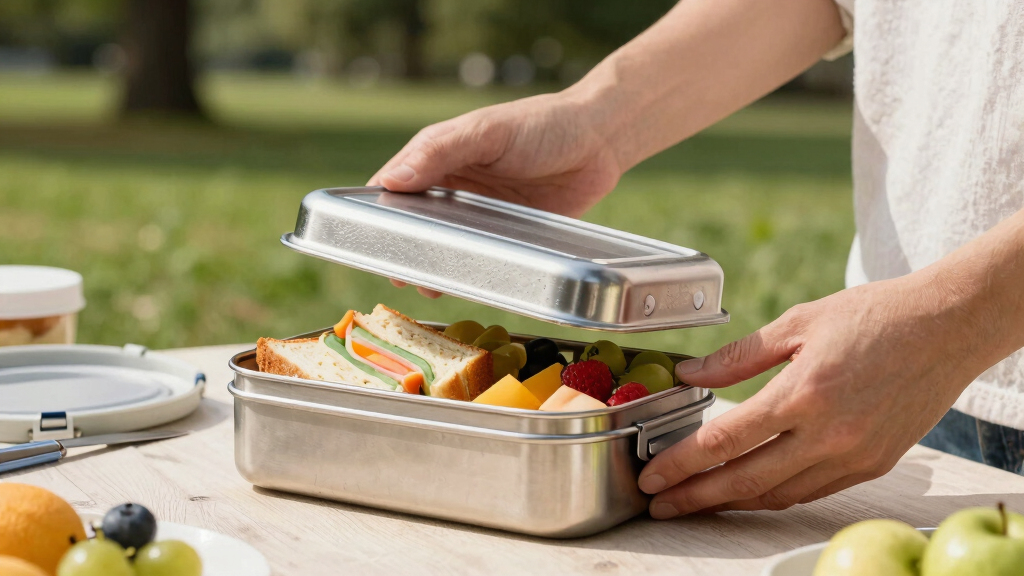
Stainless steel scores high for durability and eco-friendliness. It’s naturally non-toxic and can withstand drops without cracking. Plus, many models are insulated, keeping food warm or cold for hours. The downside? Heavier and pricier, but worth it for longevity.
Glass offers a non-toxic, microwave-safe option. It’s perfect for reheating leftovers without worries about chemicals. But it’s heavier and prone to breaking if dropped. Think of it as the sturdy, safe choice—if you’re gentle with it.
Silicone is flexible and collapsible, ideal for space-saving. It’s lightweight and often used for lids or collapsible containers. Its durability varies, but it’s great for snacks or sauces.
Understanding these materials helps you weigh their tradeoffs: while plastic is convenient and lightweight, it may pose chemical risks; stainless steel offers durability and safety but adds weight; glass is safe and versatile but fragile; silicone provides flexibility and space-saving benefits but may not be as durable long-term. Your choice should consider your lifestyle, safety concerns, and how much weight you’re willing to carry.

Caperci 25oz Large Stainless Steel Food Containers, 3-Pack Bento Lunch Box with Silicone Lids, Leak-Proof Reusable Meal Prep Container for Sandwiches & Snacks, BPA-Free (720ML)
- Capacity: 25 oz (720 ml) for sandwiches and snacks
- Material: Durable 304 stainless steel and silicone
- Eco-Friendly: Reusable, BPA-free, non-toxic materials
As an affiliate, we earn on qualifying purchases.
As an affiliate, we earn on qualifying purchases.
Top Features to Look for in a Lunch Box (and Why They Matter)
Not all containers are created equal. Some features can make your packing easier and your meals more enjoyable.
- Compartments: These prevent soggy sandwiches and mixed salads by keeping different foods separate. They also help with portion control, which can prevent overeating or waste. For example, a three-compartment box can keep chips away from hummus, maintaining texture and flavor.
- Leak-proof lids: Essential for liquids, dressings, or soups. They prevent spills that can ruin bags and clothes, saving you cleanup time and maintaining food integrity during transport. The tradeoff is that some leak-proof lids may be harder to open or require more maintenance to ensure seals stay effective.
- Microwave-safe: Reheating leftovers directly in your container saves time and reduces the number of dishes. However, not all plastics are microwave-friendly, and some can warp or release chemicals when heated. Choosing microwave-safe containers ensures safety and convenience, especially for busy schedules.
- Dishwasher-safe: Simplifies cleaning, saving you time and effort. While most modern containers are dishwasher safe, some may degrade over time or develop odors if not cleaned properly. Prioritizing dishwasher-safe options can help maintain hygiene and prolong container lifespan.
- Portability: Handles, straps, or compact designs make it easier to carry your lunch comfortably. Well-designed portability features reduce strain and make it more convenient to take your meal on the go, encouraging healthier eating habits and reducing reliance on disposable packaging.
Choosing containers with these features directly impacts your daily routine—making packing simpler, preventing messes, and preserving food quality. When evaluating options, consider which features align with your lifestyle and priorities for safety and convenience.
Insulated or Not? How Temperature Control Changes Your Lunch Game
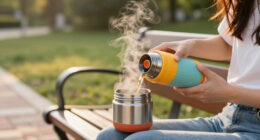
Insulation makes a big difference if you want your food hot or cold for hours. Insulated lunch boxes or containers can keep a hot meal warm for 4-6 hours, or a cold salad chilled for even longer.
For example, a parent packing a soup thermos for their kid can trust it stays warm until lunchtime. Similarly, a worker bringing a cold pasta salad benefits from a container that keeps it crisp and chilled. Proper insulation reduces the need for reheating or refrigeration, which can be impractical during busy days or outdoor activities.
Using ice packs or thermal bags further enhances temperature retention, especially for longer outings. Keep in mind that not all containers are designed with insulation—some are purely for containment, so check the product specs. Investing in good insulation means your food stays fresh and appealing, reducing spoilage and waste. It also ensures that hot foods remain safe to eat, preventing the growth of bacteria caused by temperature fluctuations.
Ultimately, effective insulation can transform your lunch experience by maintaining food quality, safety, and enjoyment—making your meals more satisfying and reducing the temptation to throw away leftovers that have gone bad.
Compare the Big Three: Plastic, Stainless Steel, and Glass
Feature Plastic Stainless Steel Glass Durability Moderate, prone to warping or cracking High, withstands drops and impacts Fragile, breaks easily if dropped or mishandled Safety Many BPA-free options available; avoid cheap plastics with additives Non-toxic, free from harmful chemicals Non-toxic, chemical-free, and inert Weight Light, easy to carry Heavier, which may impact portability Moderate, but can be heavy depending on thickness Ease of cleaning Dishwasher safe, but prone to staining and retaining odors Dishwasher safe, easy to clean, resistant to stains Dishwasher safe, easy to clean, but can be prone to chipping if handled roughly Temperature control Not insulated; susceptible to temperature changes Offers insulation options for hot or cold foods Reheating not recommended; can be used for cold storage Each material suits different lifestyles and priorities. Plastic containers are lightweight and versatile, ideal for kids or casual use. Stainless steel offers durability and safety, making it a long-term investment for eco-conscious users. Glass provides a safe, non-reactive option suitable for reheating and serving directly from the container. Understanding these tradeoffs helps you select the best fit for your routine, balancing convenience, safety, and environmental impact.
Frequently Asked Questions
What material is safest for food containers?
BPA-free plastic, stainless steel, and glass are considered the safest options. They’re free from harmful chemicals and won’t leach into your food, especially if you follow cleaning guidelines.
Are insulated lunch boxes worth it?
Absolutely. They keep your food hot or cold for hours, making leftovers more enjoyable and reducing waste. They’re especially beneficial for busy days or outdoor activities where refrigeration isn’t available.
How do I clean and maintain my lunch box?
Most are dishwasher safe, but always check labels. Rinse immediately after use, wash with warm soapy water, and inspect seals regularly to prevent mold. Proper care extends lifespan and keeps food safe.
What size or capacity should I choose?
It depends on your appetite and meal type. For most adults, 700-1500ml works well. Kids need smaller sizes, around 300-500ml. Mixing sizes helps pack variety and avoid leftovers.
Can I microwave all types of lunch boxes?
No. Only containers marked as microwave-safe should go in the microwave. Plastic or glass that’s not microwave-friendly can warp or release chemicals when heated.
Conclusion
Picking the right lunch box isn’t just about style—it’s about safety, convenience, and sustainability. Invest in a durable, well-designed container, and your meals will stay fresh, tasty, and mess-free all week. A simple upgrade can turn your everyday lunch into a better, cleaner experience.
Next time you pack, think about what your container needs to do—then choose wisely. Your taste buds and the planet will thank you.