
TL;DR

Get kitchen staples and gadgets delivered free — and shop member deals
- Fast, free delivery on millions of items
- Access to Prime Big Deal Days deals on October 6–7
- Prime Video, Amazon Music and more included
A leading French chef has demonstrated how to prepare Bouillabaisse, France’s iconic fish stew, emphasizing traditional methods. The reveal offers insight into authentic French cuisine and its cultural significance.
A prominent French chef has shared a detailed demonstration of how to prepare Bouillabaisse, France’s most famous fish stew, emphasizing authentic ingredients and traditional techniques. This development offers a rare glimpse into the culinary craft behind a dish that is deeply embedded in French culture and cuisine.
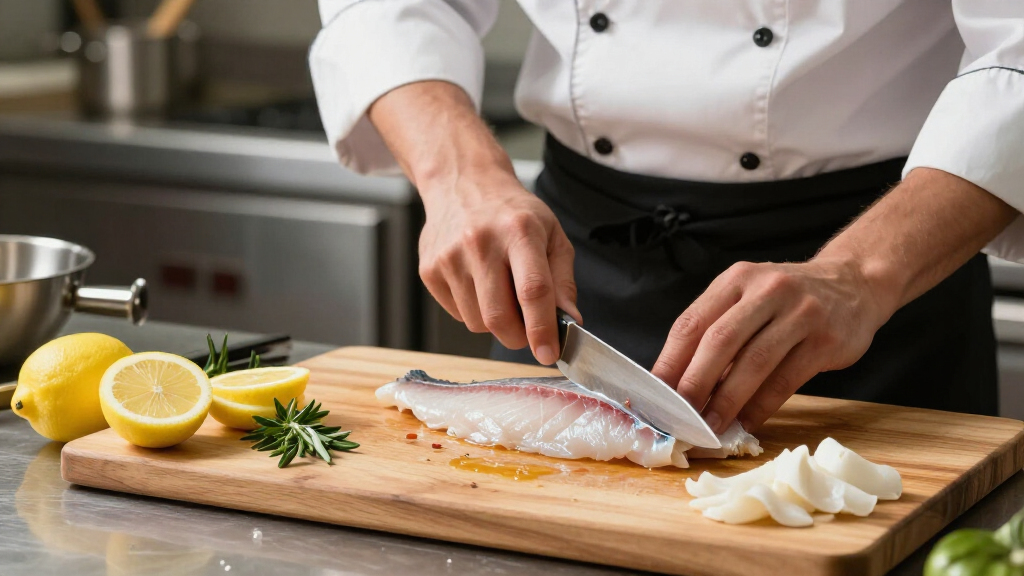
The chef, Jean-Luc Martin, showcased the step-by-step process of making Bouillabaisse during a recent cooking demonstration hosted by Fundamental French Cooking. He highlighted the importance of selecting fresh local fish, including rascasse, conger eel, and other Mediterranean species, and emphasized the use of saffron, garlic, and fennel to achieve the dish’s characteristic flavors.
According to Martin, the preparation involves creating a flavorful broth by simmering fish bones, vegetables, and herbs, then carefully adding the fish to prevent overcooking. He also demonstrated the traditional serving method, which involves serving the stew with toasted bread and a rouille sauce, a garlic and saffron mayonnaise. The demonstration aimed to preserve authentic techniques, which are often adapted or simplified in modern restaurants.
While the chef provided detailed insights into the cooking process, he also discussed variations and regional differences, noting that some cooks add potatoes or other vegetables, though the core ingredients remain consistent. The demonstration was attended by culinary professionals and enthusiasts eager to learn authentic French cooking methods.
Cultural and Culinary Significance of Bouillabaisse
This demonstration underscores the importance of preserving traditional French culinary techniques, especially for dishes like Bouillabaisse that are considered national treasures. It highlights the cultural heritage embedded in regional ingredients and cooking methods, which are increasingly at risk due to globalization and modern culinary trends.
For food enthusiasts and professional chefs, understanding the authentic preparation of Bouillabaisse offers a deeper appreciation of French gastronomy and its regional diversity. It also emphasizes the value of sourcing fresh, local ingredients and respecting traditional recipes in a rapidly changing culinary landscape.
Bouillabaisse fish stew ingredients
As an affiliate, we earn on qualifying purchases.
As an affiliate, we earn on qualifying purchases.
Historical Roots and Regional Variations of Bouillabaisse
Bouillabaisse originated in the port city of Marseille in the 19th century, initially as a fisherman’s stew made with leftover fish. Over time, it evolved into a sophisticated dish featuring a variety of Mediterranean fish and aromatic herbs. Today, it is recognized as a symbol of Provençal cuisine and is protected by regional culinary standards.
Traditionally, Bouillabaisse involves a two-step process: first, preparing a flavorful broth with fish bones, herbs, and saffron, and second, adding fresh fish to cook gently in the broth. Variations exist across Marseille and surrounding regions, with some chefs adding potatoes or other vegetables, but the core ingredients and techniques remain consistent.
Recent efforts by culinary experts aim to preserve these authentic methods amid increasing commercial adaptations, ensuring that the dish’s cultural roots are maintained for future generations.
“Authentic Bouillabaisse is about respecting the ingredients and the traditional process. Fresh fish, saffron, and patience are key.”
— Jean-Luc Martin
Uncertainties About Modern Variations and Accessibility
While the demonstration focused on traditional methods, it is unclear how widely these techniques are adopted in commercial or home kitchens today. There is also limited information on regional variations that may incorporate different ingredients or shortcuts, and how these impact authenticity.
Additionally, sourcing authentic ingredients like rascasse can be challenging outside of Marseille, raising questions about accessibility and adaptation for home cooks worldwide.
Future Efforts to Preserve Traditional Bouillabaisse Techniques
Culinary institutions and regional associations are expected to promote authentic Bouillabaisse recipes through workshops, certifications, and culinary tourism initiatives. There may also be increased documentation and dissemination of traditional methods to ensure their survival amid modern culinary trends.
Further demonstrations and expert collaborations could help standardize authentic preparation techniques, making them more accessible to chefs and home cooks globally. Monitoring how these efforts influence regional and international perceptions of the dish will be crucial.
Key Questions
What are the key ingredients for authentic Bouillabaisse?
The key ingredients include fresh Mediterranean fish such as rascasse, conger eel, and other local species, saffron, garlic, fennel, and herbs. The broth is typically made with fish bones, and the dish is served with toasted bread and rouille sauce.
Can Bouillabaisse be made outside of Marseille?
Yes, but sourcing authentic ingredients like rascasse can be difficult outside the region. Many cooks adapt the recipe using available fish, but purists emphasize the importance of using traditional ingredients and techniques for authenticity.
What makes Bouillabaisse a cultural symbol in France?
It originated in Marseille as a fisherman’s stew and evolved into a regional culinary icon. Its preparation reflects local ingredients, maritime history, and regional identity, making it a symbol of Provençal cuisine.
Are there regional variations of Bouillabaisse?
Yes, variations exist across Marseille and surrounding areas, with some adding vegetables or using different herbs. However, the core concept of a fish broth with assorted seafood remains consistent.
How can home cooks learn authentic Bouillabaisse techniques?
They can attend culinary workshops, follow detailed recipes from reputable sources, or watch demonstration videos like those by Jean-Luc Martin. Using fresh, local ingredients and respecting traditional steps is essential for authenticity.
Source: rss
Fall Picks
fall essentials
As an affiliate, we earn on qualifying purchases.