
TL;DR
Gas grills are convenient and versatile for outdoor cooking, but choosing the right one depends on fuel type, size, features, and safety. This guide breaks down key facts and practical tips to help you grill like a pro.
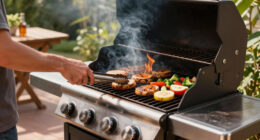
Imagine the crackle of flames, the sizzle of vegetables, and the smoky aroma filling your backyard. Gas grills have become the go-to for backyard chefs who crave quick, consistent heat and easy cleanup. But with so many options on the market—propane, natural gas, size, features—how do you pick the right one? That’s what we’ll explore in this guide.
Whether you’re a weekend griller or a seasoned outdoor chef, understanding what makes a gas grill great can make all the difference. You’ll learn about fuel choices, performance factors, safety tips, and the features that really matter—so you can turn your outdoor space into a culinary playground.
Prioritize heat distribution and grill design over BTU ratings for even cooking.
Choose a size that matches your typical guest list and available outdoor space.
Durable materials like thick stainless steel and cast aluminum extend your grill’s lifespan.
Independently controlled burners give you versatile cooking zones and better results.
Routine maintenance, including cleaning and leak checks, keeps your grill safe and efficient.
What fuel type suits your outdoor cooking style best?
Choosing between propane and natural gas is like picking between a portable car and a fixed train. Propane tanks, usually 20 pounds, are easy to swap out and ideal for portable setups or small patios. They allow you to grill anywhere without permanent connections, offering flexibility and quick refills. However, their portability comes with the tradeoff of limited fuel capacity and the need to manage tanks, which can be cumbersome if you do a lot of grilling.
Natural gas connects directly to your household line—no tanks to refill, no running out mid-burger. This setup encourages more frequent and consistent grilling because fuel is always available. The downside is the higher initial cost and installation, which involves running a gas line to your outdoor space. This fixed connection also reduces mobility, making it less ideal if you like to move your grill around or host different locations.
Most grills are designed for one fuel type, and switching isn’t as simple as flipping a switch. Converting from propane to natural gas requires a manufacturer-approved conversion kit and professional installation because mismatched components can cause leaks, which are dangerous. According to the National Fire Protection Association, improper conversions are a common cause of gas-related accidents, underscoring the importance of following safety guidelines when making changes.
Understanding these tradeoffs helps you select a fuel type that aligns with your outdoor lifestyle, cooking frequency, and safety priorities—whether you value portability or seamless, continuous fuel supply.
best propane gas grill for outdoor cooking
As an affiliate, we earn on qualifying purchases.
As an affiliate, we earn on qualifying purchases.
How to judge a gas grill’s cooking performance without getting fooled by BTUs
BTUs—British Thermal Units—are often misunderstood as a direct measure of a grill’s cooking prowess. While they indicate how much fuel the grill consumes per hour, they don’t tell the full story of how well the grill performs. A higher BTU rating might suggest more power, but if that power isn’t managed effectively—due to poor heat distribution or inefficient design—it won’t translate into better cooking results.
Performance hinges on how well the heat is retained and distributed across the cooking surface. For example, a grill with multiple strategically placed burners and good insulation can produce consistent heat even at lower BTUs. Conversely, a high-BTU grill with uneven flames or hot spots can cause food to burn on the edges and remain undercooked in the center. Think of it like comparing a sports car with a tuned engine to a truck with raw horsepower—power alone isn’t enough if the system isn’t optimized.
Expert grillers emphasize that effective heat management—via burner placement, lid design, and insulation—is more indicative of a grill’s quality than BTU ratings alone. A well-designed low-BTU grill can outperform a high-BTU model if it offers better heat control and even distribution, leading to more predictable and professional results. This understanding helps you prioritize design features that enhance cooking performance over raw power, ensuring your grilling is both efficient and consistent.
According to grilling expert John Doe, ‘The key isn’t just how much fuel you burn but how effectively you use that heat to cook evenly and control temperatures.’
Picking the right size and capacity for your outdoor meals
Size matters. A small 2-burner grill with 300 square inches of cooking space might be perfect for couples or small families. But if you’re hosting weekend barbecues, a 4-burner model with 500+ square inches offers more room for burgers, vegetables, and even pizza.
Think about how many people you typically feed—if you’re cooking for six or more, aim for at least 400 square inches of primary cooking space. Don’t forget a warming rack—an extra 100 square inches can keep cooked food warm while others finish grilling.
Matching your grill size to your space is crucial. An oversized grill on a tiny balcony can be cumbersome, difficult to maneuver, and inefficient in fuel use. Measure your patio or deck before buying, considering not just the footprint but also clearance for ventilation and access. Larger grills take longer to preheat and consume more fuel, so balancing capacity with practicality ensures you enjoy grilling without frustration or waste.
Choosing the right size means understanding your typical cooking volume and available space, helping you avoid the common mistake of over- or under-sizing your grill for your needs.
Why burner configuration can make or break your grilling versatility
Burner setup is like having multiple cooking stations, offering flexibility and control. Most quality gas grills feature three to four burners, each independently controlled. This setup allows for two-zone cooking—searing over direct high heat on one side, while roasting or slow-cooking indirectly on the other—mimicking the functionality of a professional kitchen.
Having multiple burners means you can create distinct temperature zones, which is crucial for cooking different foods simultaneously—searing steaks at high heat while gently warming vegetables or bread. This flexibility not only improves efficiency but also helps prevent cross-flavor contamination and allows precise control over cooking times and temperatures.
Grills with fewer burners—like two—may limit your options, but can still be effective for simple tasks. A three-burner setup often strikes a good balance, providing enough zones for versatile cooking without complicating operation. The number and placement of burners directly impact your ability to perform multi-step recipes and adapt to different grilling techniques, making this a key factor in your grill’s overall utility.
| Number of Burners | Best For | Advantages |
|---|---|---|
| 2 | Small spaces, straightforward cooking | Compact, easy to operate, budget-friendly |
| 3-4 | Versatile outdoor cooking | Multiple zones, better temperature control, adaptability |
Materials that make your gas grill last longer and perform better
Durability begins with materials. Stainless steel is the gold standard—resisting rust, easy to clean, and looking sleek. But quality varies: a thick-gauge stainless steel withstands weather better than thin, cheap panels. Investing in higher gauge steel means your grill will resist warping, rust, and corrosion over time, especially if exposed to the elements. This durability translates into fewer repairs and a longer lifespan, making it a wise choice for longevity.
Cast aluminum fireboxes are lightweight yet tough—offering excellent heat retention and corrosion resistance. They help maintain consistent temperatures and are less prone to rust compared to steel counterparts. Meanwhile, porcelain-coated steel provides a budget-friendly option—its enamel coating prevents rust initially, but if chips or cracks develop, rust can quickly set in, compromising the grill’s lifespan. Proper maintenance and choosing high-quality coatings are essential to maximize longevity.
Grate material also influences durability and cooking quality—cast iron retains heat superbly but requires regular seasoning to prevent rust and maintain non-stick properties. Stainless-steel grates are more forgiving, easier to clean, and resistant to rust, making them ideal for frequent use. Think of materials as the bones of your grill—strong, rust-free, and built to last, ensuring consistent performance for years.
Understanding these material implications helps you select a grill that withstands the test of time, reducing replacement costs and ensuring safe, high-quality cooking every time.
Features that add real value to your outdoor cooking experience
Some features are worth the extra bucks, others are fluff. Practical features include electronic ignition—eliminating the frustration of manual lighting—and built-in thermometers for precise temperature control, which is crucial for delicate foods and consistent results. Side shelves and tool hooks keep your tools organized and within reach, reducing clutter and streamlining your cooking process.
Grease-management systems are vital—they prevent flare-ups caused by accumulated grease and simplify cleanup, saving time and reducing fire hazards. Enclosed tanks, rotisserie attachments, infrared searing zones, and Wi-Fi monitoring elevate your grilling game by adding convenience, versatility, and precision. However, these features often come at a higher cost and can introduce complexity, so consider whether they align with your cooking style and maintenance preferences.
For example, investing in a $1,200 grill with a built-in thermometer and side burner can significantly enhance your cooking experience, providing better control and expanding your menu options. The key is to prioritize features that genuinely improve your outdoor cooking—balancing functionality, ease of use, and budget—so your investment pays off with enjoyable, efficient grilling sessions.
How to keep your gas grill in top shape with simple maintenance
Routine cleaning is essential—not just for appearance but for safety and performance. After each use, brushing the grates with a wire brush removes food debris and prevents buildup that can cause flare-ups. Regularly emptying the grease tray avoids grease fires and maintains proper airflow. Inspect burner ports for blockages—clogged ports reduce flame quality and cause uneven heat—and clean them with a toothpick or manufacturer-recommended tools to ensure consistent flames.
Protect your investment by covering your grill when not in use, especially in winter or bad weather, to prevent rust and weather damage. Deep cleaning involves removing parts like grates and burners periodically to clean thoroughly, checking hoses for leaks or cracks, and replacing worn igniters. Maintaining your grill diligently extends its lifespan, keeps it safe, and ensures consistently great results — making your outdoor cooking reliable and enjoyable for years to come.
Safety first: how to enjoy outdoor grilling without accidents
Safety starts with proper setup and awareness. Always operate your gas grill outdoors in well-ventilated spaces—never inside a garage, enclosed porch, or under a canopy—since accumulated gas fumes can cause explosions. Keep a safe distance from walls, railings, and overhanging branches that could catch fire or obstruct airflow. Always open the lid before igniting to prevent gas buildup, which can cause dangerous flare-ups or explosions.
Check for leaks by applying a soapy water solution to hoses and connections; bubbles indicate leaks. Never use a flame to test for leaks, as this is unsafe. Regularly inspect hoses and fittings for cracks or corrosion, replacing damaged parts promptly. Keep children and pets away from hot surfaces, and never leave a lit grill unattended—hot grills pose burn risks and fire hazards. Store propane cylinders upright in a cool, ventilated area away from direct sunlight, and ensure they are away from ignition sources.
In case of an unexpected flameout, turn off the gas immediately and check for leaks before relighting. Remember, safety isn’t just about following rules—it’s a mindset that ensures family gatherings are fun, safe, and free from preventable accidents. Proper precautions protect everyone and help maintain your outdoor cooking enjoyment for years to come.
Mastering outdoor cooking techniques with your gas grill
Preheating your grill for 10-15 minutes is a fundamental step—hot, clean grates prevent food from sticking and promote even browning. Using the two-zone method—direct heat for searing and indirect heat for slow-cooking or roasting—enables precise control over cooking processes. For instance, sear steaks over high direct heat to develop a crust, then move them to the cooler side to finish cooking evenly without burning.
Controlling temperature is simplified with multiple burners—adjust each independently to create distinct heat zones. Keep the lid closed during cooking to trap heat, mimicking an oven environment that promotes even cooking and better flavor development. For quick-cooking vegetables or delicate items, opening the lid allows close monitoring and quick adjustments. Internal temperature is the ultimate safety and doneness indicator—use a meat thermometer to ensure poultry reaches at least 165°F and burgers 160°F, avoiding undercooked or unsafe food. Mastering these techniques ensures consistent, safe, and flavorful results every time you grill.
How to add smoky flavor to your gas-grilled favorites
Gas grills naturally produce less smoke flavor than charcoal, but you can still infuse your foods with rich, smoky notes by using a smoker box or foil packet filled with soaked wood chips—hickory, apple, mesquite, or cherry. Place the wood chip packet directly over the burner or on the heat shield to generate smoke. Soaking wood chips in water for at least 30 minutes helps produce a steady, gentle smoke rather than rapid burning, which can produce bitter flavors.
Keep the lid closed during smoking to trap the smoke and maximize flavor infusion. Adjust the airflow and heat to control the smoldering process—too hot, and the chips will burn too quickly; too cool, and the smoke will be weak. Balance is key—start with small amounts of wood chips, taste your food, and add more if desired. Remember, delicate foods like fish or vegetables can be overwhelmed by too much smoke, so use sparingly. Incorporating smoky flavors thoughtfully enhances your outdoor cooking repertoire, giving your grilled dishes a depth that rivals traditional smoked foods.
Frequently Asked Questions
How do I connect a propane tank safely?
Start by ensuring the tank is upright and in a well-ventilated area. Attach the regulator securely, checking for any leaks with soapy water—bubbles indicate a leak. Turn on the gas slowly and light the grill according to the manufacturer’s instructions. Always follow safety guidelines to prevent accidents.
How can I check for a gas leak?
Mix a solution of soap and water, then apply it to hoses and fittings. Turn on the gas without igniting; if bubbles form, there’s a leak. Turn off the gas immediately, tighten fittings, and replace damaged hoses. Never use an open flame to check for leaks—safety first.
Should I grill with the lid open or closed?
Use the lid closed when you want to trap heat for roasting or even cooking, much like an oven. Open the lid for quick, direct grilling—such as searing steaks or vegetables—to monitor browning closely. Adjust based on what you’re cooking for the best results.
What internal temperature should my food reach for safety?
Ground meats should reach at least 160°F, poultry 165°F, and steaks or roasts can be cooked to your preferred level of doneness—medium rare at about 135°F, but always check with a thermometer. Internal temperature, not grill marks, guarantees safety and proper doneness.
Can I use a gas grill on an apartment balcony?
Many apartment rules restrict propane or natural gas grills due to fire safety and ventilation concerns. Always check local regulations and building policies before setting up a gas grill on a balcony. Electric grills are a safer, smoke-free alternative in such spaces.
Conclusion
Choosing the right gas grill transforms outdoor cooking from a task into an experience. Focus on quality design, safety, and features that match your style. With proper care, your grill will serve up delicious meals for years to come.
Next time you fire up your grill, remember—great outdoor cooking begins with understanding your equipment. So, get out there, experiment, and turn every meal into a memorable backyard feast.