TL;DR

Get kitchen staples and gadgets delivered free — and shop member deals
- Fast, free delivery on millions of items
- Access to Prime Big Deal Days deals on October 6–7
- Prime Video, Amazon Music and more included
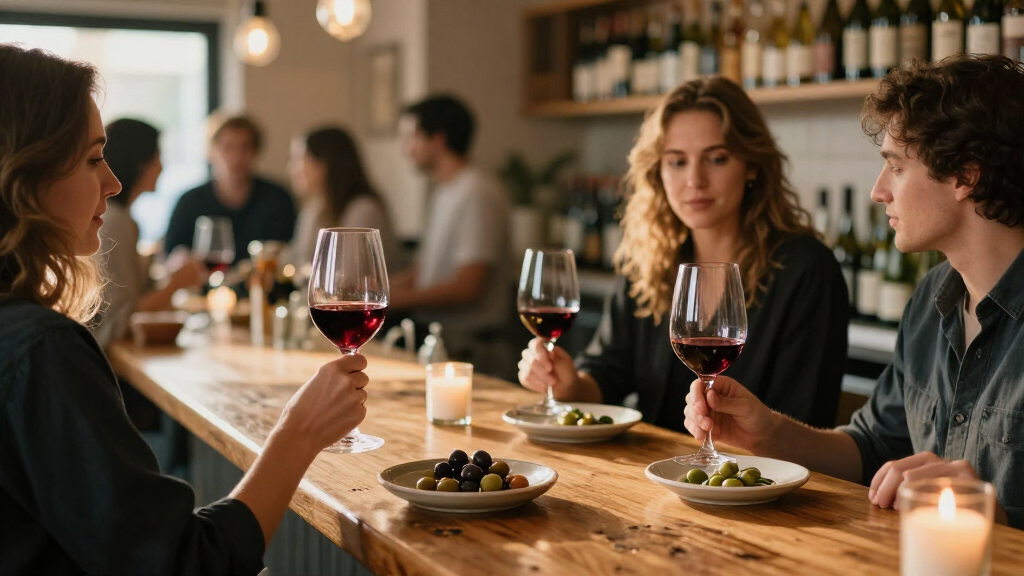
A VinePair report describes a growing trend of restaurants presenting themselves as wine bars while serving ambitious, full meals. The format has gained visibility in the U.S. and is also appearing internationally, with operators citing relaxed expectations, shared dining and business flexibility as reasons for the approach.
Restaurants that pair ambitious cooking with wine-bar branding are gaining visibility in the United States and spreading to venues abroad, according to a VinePair report. The format can frame a substantial meal as a more casual, social experience, while giving operators flexibility in how guests use the venue.
The report points to New York’s Lei, which describes itself as a wine bar despite receiving the James Beard Foundation’s award for best new restaurant. The restaurant’s recognition followed positive reviews, including a New York Times Critic’s Pick, according to VinePair. A Lei spokesperson told the publication that the wine list came first and that the food was developed to pair with a wide range of wines.
Rather than centering on cheese boards or charcuterie alone, the newer style often includes high-quality food in smaller, shareable portions, alongside an extensive wine list. Jarl de Vries, a managing director at Amsterdam-based beverage consultancies Studio Numen and Cocktail Professor, told VinePair that many venues called wine bars now also offer meals, events and other experiences. He said the label can signal quality across the offering.
The report describes the approach as international, citing Cult, a wine-forward venue that opened in Bruges, Belgium, in late 2024. Co-founder Kees Dobbelaar said Cult describes itself as a wine bar, aperitif venue and restaurant. Its kitchen serves substantial dishes, including dry-aged steak. The source material does not provide a count of venues adopting the format or data measuring its growth.
A More Casual Frame for Dining
The label can shape customers’ expectations before they arrive. Jonathan Pogash, founder of The Cocktail Guru consultancy, told VinePair that calling a venue a wine bar suggests a less formal, more open service style and a social outing rather than a traditional restaurant occasion. That positioning may appeal to diners seeking restaurant-level food without the formality often associated with fine dining.
For operators, the format can allow guests to stop in for a drink or stay for a full meal. Dobbelaar said Cult’s predecessor, Blend, initially offered little food, and some customers left after one or two drinks. Adding small bites helped address that pattern, according to his account. The broader business case is plausible, but the report provides no financial results or profit-margin figures to show how much the branding affects revenue.
As an affiliate, we earn on qualifying purchases.
From Wine Bars to Full Kitchens
Wine bars have existed for generations, but VinePair distinguishes the current wave from older formats that focused mainly on wine and simple accompaniments. The newer venues put greater emphasis on restaurant-level cooking, while retaining wine as a central part of their identity. Some, de Vries said, particularly emphasize natural, skin-contact and low-intervention wines; he cautioned that this describes a particular direction within wine bars, not the category as a whole.
The trend became more visible in the years after the Covid-19 pandemic, the report says. Pogash linked its momentum to economic pressures and what he called the casualization of fine dining. In late 2022, New York Times wine critic Eric Asimov also wrote about full-service restaurants describing themselves as wine bars, according to VinePair. The sources point to a shift in language and format, but do not establish when it began or how widely it has spread.
How Broad Is the Shift?
The report offers examples and industry perspectives, not a market survey. It does not quantify how many restaurants use the wine-bar label, compare adoption across countries or establish that the format is growing at a specific rate. The claimed business benefits, including any effect on sales or margins, are not backed by figures in the material provided. It also remains unclear whether the trend will endure or how consistently diners interpret the label.
More Signals From New Openings
The next indications will come from how new restaurants describe themselves, what they serve and whether their operating model draws repeat visits. Further evidence would require venue counts, customer research and financial data across markets. Until those are available, the clearest conclusion is that wine-bar branding is being used by some full-service restaurants in the U.S. and abroad, while the scale and commercial effect of the shift remain unmeasured.
Key Questions
What does a restaurant calling itself a wine bar typically offer?
In the venues described by VinePair, wine remains central, but the kitchens may serve full meals and carefully prepared smaller plates, not just snacks such as cheese or charcuterie.
Why use the wine-bar label for a full-service restaurant?
Industry figures interviewed by VinePair say it can suggest a more casual, social and flexible experience. The report does not quantify whether the label improves business results.
Is this trend limited to the United States?
No. The report describes it as spreading internationally and cites Cult in Bruges, Belgium, which combines wine-bar and restaurant identities.
Are all wine-bar restaurants focused on natural wine?
No. De Vries said that natural, skin-contact and low-intervention bottles feature prominently in one direction of the trend, but that is not representative of every wine bar.
How fast is the trend growing?
The source does not provide venue counts, growth rates or a comparison baseline. It identifies examples and industry observations, so the scale and pace are not established.
Source: rss
NFL season / tailgating Picks
team gear
As an affiliate, we earn on qualifying purchases.