
🔍 Read the full analysis: Malloreddus Alla Campidanese: Sardinia's Saffron Sausage Pasta on Mad Tasting

Get kitchen staples and gadgets delivered free with Prime
- Fast, free delivery on millions of items
- Prime Video, Amazon Music and more included
- Member-only deals all year
TL;DR
Malloreddus alla Campidanese is a regional Sardinian pasta preparation combining ridged semolina pasta with pork sausage, tomato, saffron and pecorino. Mad Tasting’s guide explains the ingredients, their roles and a practical method for cooking the dish at home; it does not report a new restaurant opening, study or official announcement.
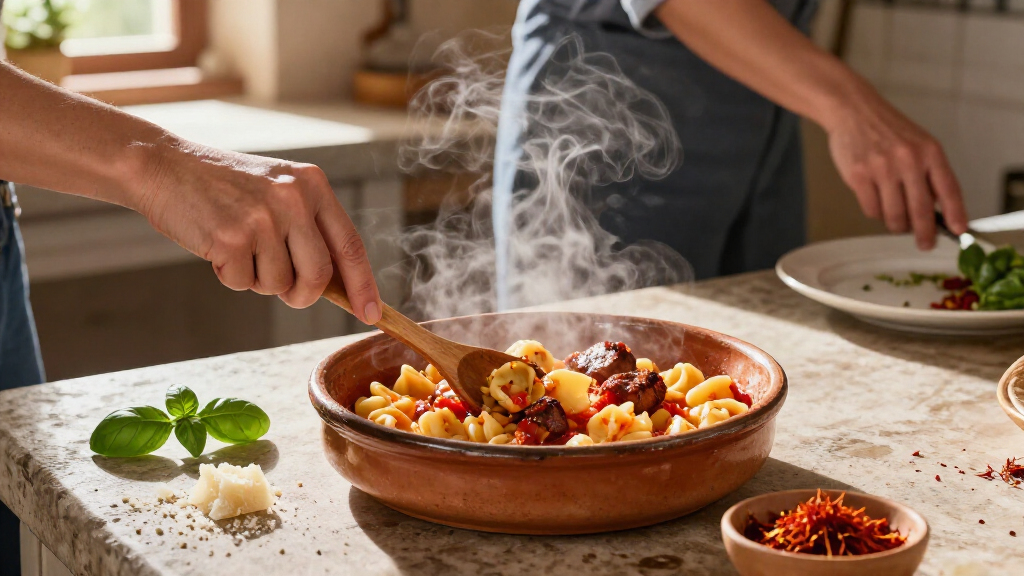
Mad Tasting has published a guide to malloreddus alla Campidanese, a pasta dish associated with Campidano in southern Sardinia. It describes a familiar regional combination of ridged semolina pasta, pork sausage, tomato, saffron and pecorino, and offers practical advice for preparing the dish outside Sardinia.
The guide’s central point is that malloreddus are semolina pasta, not potato gnocchi. Often called “Sardinian little gnocchi,” the small curved shapes are marked with ridges that help hold sauce. Their shape and springy bite distinguish them from the softer, potato-based dumplings many diners associate with gnocchi. Dried malloreddus are presented as a workable option for home cooks; the guide suggests following the package directions and tasting the pasta as it cooks.
The Campidanese-style sauce brings together Sardinian pork sausage, tomato, saffron and pecorino. In the guide’s explanation, sausage supplies savory depth and fat, tomato adds acidity, saffron contributes a warm, floral aroma, and sheep’s-milk cheese provides a salty, tangy finish. It characterizes the dish as hearty without treating cream as a defining ingredient. Garlic, herbs and bay leaf may appear in individual versions, but the source notes that cooks vary their additions and proportions.
The suggested method is to cook the sausage and tomato gently, steep saffron in warm water, then cook and drain the pasta before tossing it in the sauce. A splash of starchy pasta water can help the sauce cling to the ridges and bring the ingredients together. The guide advises a measured hand with salt and saffron, and says a gentle simmer can help a rich sausage sauce feel less oily. It also names cavatelli and small pasta shells as practical substitutes when malloreddus are unavailable, while acknowledging that the resulting shape and texture will differ.
Malloreddus alla Campidanese: Sardinia’s Saffron Sausage Pasta
Ridged semolina pasta meets pork sausage, tomato, saffron and pecorino in a hearty southern Sardinian preparation. Mad Tasting’s guide explains the ingredients and a practical home method, with room for local variation.
Four parts, one balanced sauce
The guide frames this as a familiar regional style rather than a single fixed formula. Each ingredient has a job; understanding those roles helps home cooks adapt to what is available.
Malloreddus
Durum wheat semolina pasta with a springy bite and ridges that catch sauce.
Pork sausage
Brings rich flavor and fat. Sardinian-style sausage is suggested when available.
Saffron
Adds a warm, floral aroma and golden tint; the guide recommends a measured hand.
Tomato + pecorino
Tomato brings acidity; sheep’s-milk cheese adds a salty, tangy finish.
What the pasta is
Semolina dough shaped into small ridged pieces, traditionally rolled over a ridged board or basket.
What the nickname is not
“Little gnocchi” does not mean potato. Buying potato gnocchi creates a different texture and dish.
Build the sauce gently, then bring it together
The source gives a method outline, not measured quantities or confirmed cooking times. Use package directions, taste as you cook and adjust seasoning to the sausage and cheese on hand.
Cook sausage + tomato
Let the sausage and tomato simmer gently so their flavors combine without pushing the sauce toward excess oiliness.
Steep saffron
Steep saffron in warm water, then add it to the sauce with a measured hand.
Taste for bite
Follow the package directions and taste as it cooks. Drain, keeping a little starchy water.
Toss + adjust
Toss pasta with the sauce and a splash of cooking water so it clings to the ridges. Finish with pecorino.
Keep richness in check
A regional style, not a universal recipe
Campidano context
Campidano is a broad plain in southern Sardinia, and this sausage-and-saffron preparation is associated with the area. Malloreddus may be served in other ways, and households vary their ingredients and proportions.
The guide gives a traditional interpretation of the name connecting it to malloru, a Campidanese word for bull or calf—sometimes rendered as “little calves.” It presents this as an interpretation, not a certain etymology.
When the shape is hard to find
Cavatelli or small pasta shells can carry a similar sauce. The result will still differ in shape and texture from malloreddus.
- Look for dried malloreddus made from durum wheat semolina.
- Use package directions as your timing guide.
- Garlic, herbs and bay leaf vary by version.
How the parts connect
Useful cooking advice, with clear limits
A practical overview
Ingredient roles, a home-cooking sequence and ideas for substitute pasta shapes.
Measured recipe details
No full quantities, confirmed cooking times, named chef or publication date are given in the supplied material.
Regional, with variation
The account describes a style with room for household differences, not one officially standardized recipe.
A Regional Dish Made for Home Kitchens
The guide gives readers a way to understand a regional dish through its ingredients and cooking method, rather than treating it as a fixed formula. That distinction matters for anyone shopping beyond Sardinia: the pasta shape may be hard to find, and local cooks may use different sausage or vary the sauce. Knowing what each component contributes helps a home cook make informed substitutions without mistaking them for the same dish.
Its practical advice also addresses a common cooking problem: a sausage-based sauce can turn greasy if its fat overwhelms the other ingredients. The source recommends balancing that richness with tomato, keeping the simmer gentle and tossing the pasta with a little cooking water. Those steps are presented as guidance, not as a guarantee of a single definitive result. The dish’s appeal rests on the interplay of savory pork, bright tomato, fragrant saffron and sharp cheese.
For readers unfamiliar with Sardinian food, the explanation of the pasta itself may prevent a basic shopping or cooking mismatch. Buying potato gnocchi because malloreddus are nicknamed “little gnocchi” would produce a different texture and dish. The guide instead points readers toward durum wheat semolina and ridged shapes that can carry a substantial sauce.
Products Worth Considering

Vitamix Propel Series 750 Professional-Grade Blender, 4 Programs, Black

Vitamix Propel Series 510 Professional-Grade Blender, 3 Programs, Black
Vitamix Ascent X3 Professional-Grade Blender, 3 Programs, Shadow Black
As an affiliate, we earn on qualifying purchases.
Campidano’s Sausage and Saffron Tradition
Campidano is a broad plain in southern Sardinia, and malloreddus alla Campidanese is associated with that area. The supplied source describes the sausage-and-saffron preparation as a familiar regional style, not the sole way Sardinians serve malloreddus. Tomato-based versions may be simpler or more elaborate from one household to another, depending on preference and available ingredients.
The pasta’s small, ridged form is suited to sauces with bits of meat and tomato. Malloreddus are traditionally shaped by rolling pieces of semolina dough over a ridged board or basket. The source also reports a traditional interpretation connecting the name to malloru, a Campidanese word for bull or calf, sometimes yielding the sense “little calves.” It cautions that this is an interpretation rather than a certain etymology.
The source material is a culinary guide, not a report of a new event or an independently documented historical finding. It supplies no publication date, named chef, restaurant announcement or formal regional recipe standard. Its account should therefore be read as an explanation of a regional preparation and practical home method, with room for variation, rather than a claim that every local cook follows one recipe.
““The dish’s richness comes from sausage, olive oil, and cheese; cream is not a defining ingredient.””
— Mad Tasting
Recipe Variations and Missing Details
The supplied material does not provide a publication date, full ingredient quantities or a complete recipe, and it does not identify a chef or other named source for the culinary descriptions. The method can be summarized, but exact cooking times and proportions cannot be confirmed from the information provided.
It is also unclear how widely the specific sausage-and-saffron combination is used across Campidano, or how individual Sardinian households define their own versions. The source explicitly allows for variation and does not establish a single authoritative recipe. Its account of the name’s connection to “little calves” is described as a traditional interpretation, not a verified etymology.
How to Put the Guide to Use
Readers who want to cook the dish can look for dried malloreddus made from durum wheat semolina, Sardinian-style pork sausage if available, saffron and pecorino. The guide recommends cooking the sauce gently and finishing the pasta in the pan with a splash of pasta water. If the pasta shape is unavailable, cavatelli or small shells can carry the sauce, though the result will not have the same shape or bite.
No follow-up announcement, restaurant event or additional reporting is identified in the supplied source. The next practical step is to cook the dish using package directions and adjust seasoning to the sausage and cheese on hand. The guide offers no precise quantities, so readers should not treat its summary as a measured recipe.
Key Questions
What is malloreddus alla Campidanese?
It is a pasta dish associated with Campidano in southern Sardinia, typically made with ridged semolina malloreddus, pork sausage, tomato, saffron and pecorino. The source describes it as a regional style with variations, not a single fixed recipe.
Are malloreddus potato gnocchi?
No. Malloreddus are semolina pasta. “Sardinian little gnocchi” is a nickname referring to their small shape; it does not mean they contain potato.
What does saffron add to the sauce?
The guide says saffron contributes a warm, floral aroma and golden tint. It is one part of the balance with savory sausage, acidic tomato and salty pecorino.
Can another pasta shape be used?
Yes. The source suggests cavatelli or small pasta shells as substitutes because their shapes can hold a substantial sauce. Their texture and appearance will differ from malloreddus.
Does the traditional sauce require cream?
No. In Mad Tasting’s account, cream is not a defining ingredient. The dish’s richness comes from sausage, olive oil and cheese, balanced by tomato and saffron.
Source: Mad Tasting