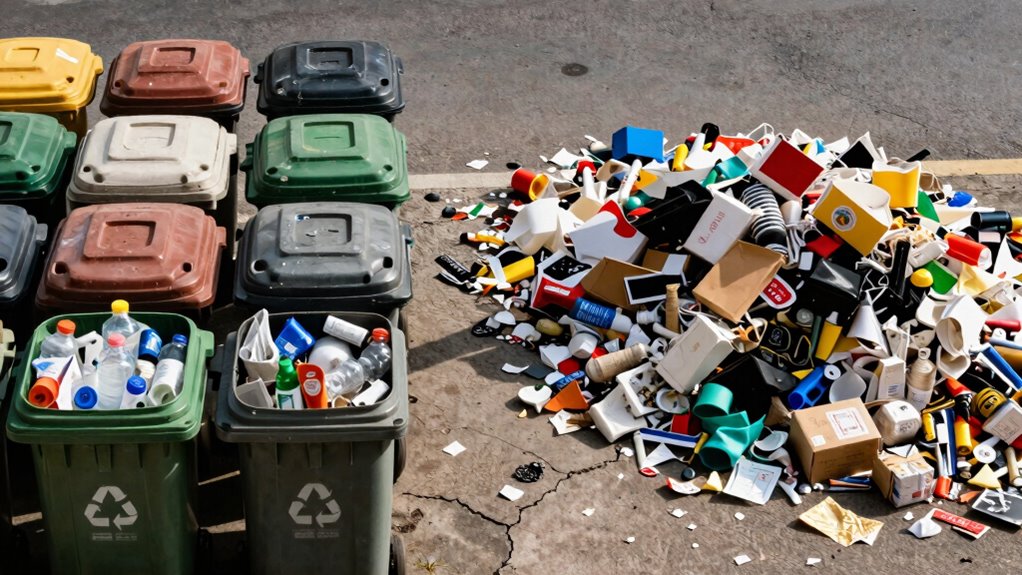

Planned waste is intentionally produced through specific processes like manufacturing or food production, making it predictable and easier to manage with reduction and recycling efforts. Unplanned waste, on the other hand, happens unexpectedly due to mishandling, accidents, or inefficiencies, requiring quick containment and response. Knowing the difference helps you implement effective waste strategies and reduce environmental impact. To get a clearer picture of how to handle both types effectively, keep exploring this topic further.

Get kitchen staples and gadgets delivered free with Prime
- Fast, free delivery on millions of items
- Prime Video, Amazon Music and more included
- Member-only deals all year
Key Takeaways
- Planned waste is intentionally generated through processes, while unplanned waste occurs unexpectedly due to accidents or mishandling.
- Planned waste is predictable and manageable with reduction and recycling; unplanned waste is unpredictable and requires quick response.
- Effective management of planned waste involves reduction strategies and recycling; unplanned waste needs immediate containment and safety measures.
- Planned waste contributes to sustainability efforts, whereas unplanned waste often increases environmental harm and disposal costs.
- Tracking and preventive measures help control planned waste, but unplanned waste is mainly handled through rapid response and safety protocols.
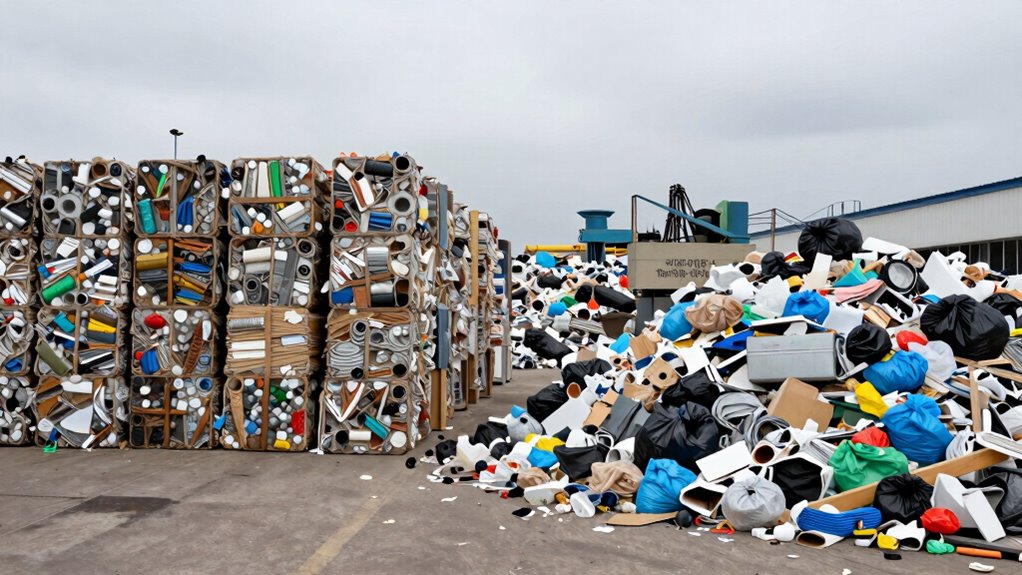
Have you ever wondered what sets apart planned waste from unplanned waste? It’s a question that gets to the core of how we manage our resources and aim for sustainability. Planned waste is intentionally generated through specific processes, like manufacturing, construction, or food production, where waste management is built into the process. It’s predictable and can often be minimized through waste reduction techniques and effective recycling strategies. When you plan your operations carefully, you can identify opportunities to cut down on unnecessary waste, reuse materials, or recycle waste products properly. This proactive approach helps you control waste streams, reduce environmental impact, and even save costs in the long run.
Planned waste is intentional, predictable, and manageable through reduction and recycling efforts.
Unplanned waste, on the other hand, occurs unexpectedly and is usually a byproduct of mishandling, accidents, or inefficient practices. It’s the waste that pops up without warning, often due to errors, spills, or unforeseen circumstances. Think of a spill during a manufacturing process or leftover food scraps that aren’t accounted for. Because it’s unanticipated, unplanned waste is harder to control and more likely to lead to higher disposal costs and environmental harm. That’s why understanding the difference between these types of waste is essential for creating a sustainable waste management system. Recognizing the importance of waste tracking can help you identify and address unplanned waste more effectively.
When you focus on waste reduction, you’re actively seeking ways to minimize the generation of waste in the first place. This can involve designing processes that produce less waste, improving efficiency, or using materials more wisely. Recycling strategies are also indispensable in this effort, as they allow you to recover valuable materials from waste streams rather than sending everything to landfills. For planned waste, implementing thoughtful recycling strategies helps you divert materials from disposal and promotes a circular economy. You might set up separate bins for recyclables or partner with recycling facilities to ensure materials like plastics, metals, or paper are properly processed. Additionally, understanding the distinction between planned and unplanned waste can inform better waste management practices that reduce overall environmental impact. Developing clear protocols for waste separation and disposal can further enhance waste diversion efforts and sustainability.
In contrast, unplanned waste requires quick response and effective containment to prevent further issues. Proper training and safety protocols can help minimize accidents that lead to unplanned waste, while regular inspections can catch issues early before they escalate. Recognizing the difference between planned and unplanned waste empowers you to develop targeted strategies. By reducing planned waste through process improvements and recycling, and controlling unplanned waste through safety measures, you can create a more sustainable, efficient waste management system. Additionally, implementing preventive maintenance can significantly reduce unplanned waste caused by equipment failures or malfunctions. Ultimately, understanding and managing both types of waste helps you protect the environment, cut costs, and contribute to a healthier planet.
As an affiliate, we earn on qualifying purchases.
Frequently Asked Questions
How Can Companies Reduce Unplanned Waste Effectively?
You can reduce unplanned waste by focusing on waste reduction strategies and process optimization. Regularly analyze your operations to identify inefficiencies, then implement targeted improvements. Train staff to recognize waste early and foster a culture of continuous improvement. Using data-driven insights helps you anticipate issues before they cause waste. Streamlining workflows and upgrading equipment also minimizes unplanned waste, ultimately saving costs and boosting overall efficiency.
What Industries Generate the Most Planned Waste?
Imagine a bustling factory where precise cuts and measurements create a steady flow of planned waste. Industries like manufacturing, construction, and electronics generate the most planned waste because they rely on waste categorization to guarantee resource optimization. By carefully planning processes, they minimize excess materials, turning waste into a manageable part of production. This proactive approach helps reduce costs and environmental impact, ensuring efficient resource use at every step.
Is Unplanned Waste More Costly Than Planned Waste?
Unplanned waste is typically more costly than planned waste because it often results from inefficiencies or mistakes, leading to unexpected expenses. When you focus on waste reduction, you minimize unplanned waste, which positively impacts your cost analysis. By proactively managing processes and identifying potential issues early, you can reduce unforeseen costs, improve overall efficiency, and save money in the long run.
How Does Waste Planning Impact Environmental Sustainability?
If you ignore waste planning, you risk destroying the environment faster than you can blink! Proper waste planning dramatically boosts waste reduction and resource optimization, making your operations eco-friendly and sustainable. When you plan effectively, you minimize excess, cut down on pollution, and conserve resources, ensuring a healthier planet. Neglecting this can lead to catastrophic environmental damage, but smart planning guarantees you’re doing your part to protect the Earth for future generations.
What Technologies Assist in Waste Management Planning?
You can use advanced technologies like waste tracking systems and data analytics to improve waste management planning. Waste tracking helps you monitor waste generation and disposal in real-time, ensuring better control and reduction. Data analytics allows you to analyze patterns and optimize waste collection routes, recycling efforts, and resource allocation. These tools provide actionable insights, helping you make informed decisions that enhance sustainability and efficiency in waste management processes.
Conclusion
So, next time you’re tempted to ignore waste planning, remember—it’s the only kind of waste that can sneak up on you unexpectedly. While planned waste is like a well-organized mess, unplanned waste has a knack for catching you off guard, often costing more in the end. Ironically, the very effort to avoid waste can sometimes lead to more of it. Stay proactive, or risk being surprised by the chaos you thought you’d avoided!
NFL season / tailgating Picks
team gear
As an affiliate, we earn on qualifying purchases.