TL;DR

Get kitchen staples and gadgets delivered free with Prime
- Fast, free delivery on millions of items
- Prime Video, Amazon Music and more included
- Member-only deals all year
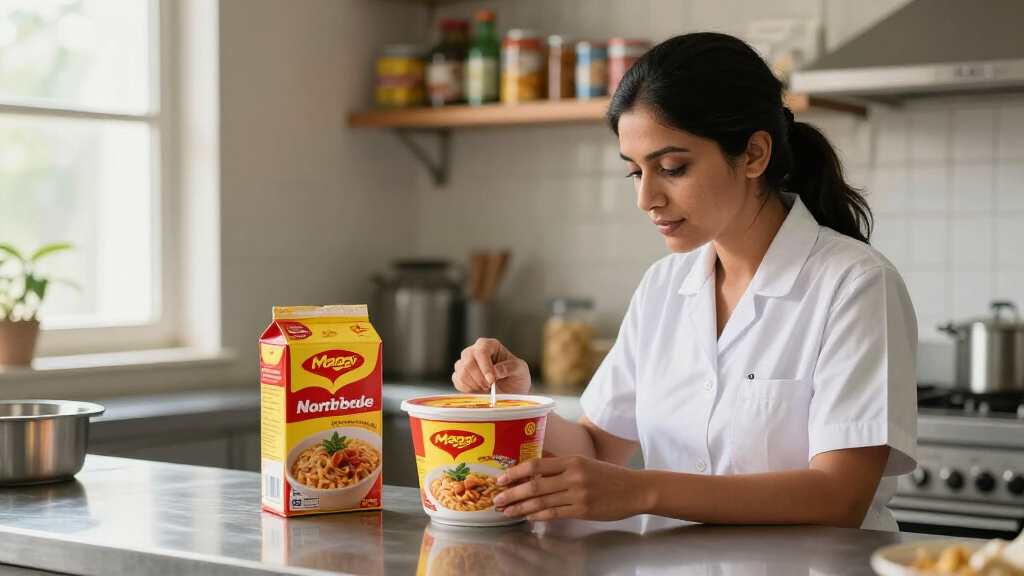
The Delhi High Court has quashed the criminal case against Maggi noodles, citing erosion of the case’s foundation. This decision marks the end of a long legal dispute initiated in 2015, impacting regulatory and consumer trust issues.
The Delhi High Court has quashed the criminal case against Maggi noodles, citing that the foundation of the prosecution has been substantially eroded. This decision effectively ends a legal battle that began in 2015, when the product was first challenged over safety concerns. The ruling is significant for Nestlé India and for consumer product regulation, as it dismisses charges that had kept the product under legal scrutiny for nearly a decade.
The case was originally initiated in 2015 after the Food Safety and Standards Authority of India (FSSAI) found alleged violations related to the presence of excess lead and improper labeling in Maggi noodles. The company faced criminal proceedings, including charges of adulteration and endangering public health. Over the years, the case saw multiple legal developments, including bans, court hearings, and appeals.
In the recent ruling, the Delhi High Court stated that the evidence presented was insufficient to sustain the criminal charges, and that the prosecution’s case had lost its footing. The court emphasized that key elements necessary to establish criminal liability were not adequately proven, leading to the quashing of the case. The court also noted that the initial allegations lacked the necessary legal and factual basis, which undermined the prosecution’s case.
Officials from Nestlé India welcomed the decision, stating that it clears the company of allegations that had affected its reputation and operations. The FSSAI has not issued any statement on the ruling, and it remains to be seen whether the regulatory body will pursue any further action or review the court’s decision.
Legal and Consumer Implications of the Court’s Ruling
This ruling marks a significant legal victory for Nestlé India, ending nearly a decade of legal uncertainty over Maggi noodles. It also impacts the regulatory landscape, as it questions the strength of evidence required to pursue criminal charges related to food safety violations. For consumers, the decision may restore confidence in Maggi as a safe product, though regulatory authorities may reassess safety standards and enforcement approaches in future cases.
Industry experts suggest that the case’s quashing could influence how food safety violations are prosecuted and may prompt regulatory bodies to revisit their evidence standards. The ruling underscores the importance of robust evidence in criminal cases involving consumer health and safety, potentially setting a precedent for future legal actions against food products.
Maggi noodles safety certification
As an affiliate, we earn on qualifying purchases.
As an affiliate, we earn on qualifying purchases.
Background of the 2015 Maggi Noodles Controversy
The controversy surrounding Maggi noodles began in 2015 when the FSSAI conducted tests that allegedly found excessive lead levels and other safety violations. The findings led to a nationwide ban on the product, which was later challenged by Nestlé India. The company argued that the allegations were unfounded and that the product met safety standards.
The legal proceedings included criminal cases filed by authorities against Nestlé India, which accused the company of adulteration and endangerment of public health. The case was characterized by multiple court hearings, regulatory investigations, and public debates about food safety standards in India. Over time, some of the evidence was questioned, and the legal arguments evolved.
In 2019, the Supreme Court allowed the sale of Maggi noodles to resume, citing that the initial tests were inconclusive and that the product was safe for consumption. The recent decision by the Delhi High Court builds upon these developments, ultimately dismissing the criminal charges based on the erosion of the case’s foundation.
“The prosecution’s case has been substantially eroded, and there is insufficient evidence to sustain the charges.”
— Delhi High Court
Remaining Uncertainties About Future Regulatory Actions
It is not yet clear whether the FSSAI will pursue further investigation or regulatory action against Nestlé or other companies. The court’s ruling focused on the insufficiency of evidence for criminal charges, but regulatory standards and enforcement practices may still be reviewed or amended in the future.
Next Steps for Regulatory and Industry Stakeholders
Regulatory authorities may review their procedures for food safety enforcement, potentially leading to new guidelines or investigations. Nestlé India is likely to resume normal marketing and sales activities for Maggi noodles, while the company may also seek to reinforce its safety protocols. Legal appeals or related proceedings could also arise if other parties challenge the ruling or seek further clarification.
Key Questions
Does this ruling mean Maggi noodles are now officially declared safe?
The court’s ruling dismisses criminal charges against Nestlé, but it does not constitute an official safety certification. The product has previously been cleared by regulators, and the ruling primarily impacts the legal proceedings.
Will the FSSAI take any action following this court decision?
It is currently unknown. The FSSAI has not issued an official statement, and it remains to be seen if they will pursue further investigations or regulatory measures.
Could this decision affect other food safety cases in India?
Potentially. The case’s outcome emphasizes the importance of solid evidence in criminal prosecutions, which could influence future legal standards and enforcement practices.
What was the main reason the court quashed the case?
The court found that the prosecution’s case was substantially eroded and lacked sufficient evidence to sustain criminal charges.
Source: local
NFL season / tailgating Picks
team gear
As an affiliate, we earn on qualifying purchases.