Guidelines on glove use versus bare-hand contact depend on food types and local regulations. Typically, gloves are required when handling ready-to-eat foods to prevent contamination, while bare-hand contact may be permitted with produce or baked goods if proper hand hygiene is maintained. Always inspect gloves regularly for tears and replace them when switching tasks or if damaged. To guarantee safety and compliance, understanding these rules helps you handle food properly—more details clarify how to follow best practices effectively.

Get kitchen staples and gadgets delivered free — and shop member deals
- Fast, free delivery on millions of items
- Access to Prime Big Deal Days deals on October 6–7
- Prime Video, Amazon Music and more included
Key Takeaways
- Gloves are required for handling ready-to-eat foods to prevent contamination, while bare-hand contact may be permitted for certain produce if hands are properly washed.
- Proper hand hygiene must be performed before glove application; gloves do not replace the need for handwashing.
- Gloves should be inspected regularly and replaced immediately if torn or punctured to maintain a barrier.
- Local regulations specify when glove use is mandatory versus permissible for bare-hand contact.
- Gloves are an additional safety measure; they should be used correctly and not as a substitute for proper hand hygiene.
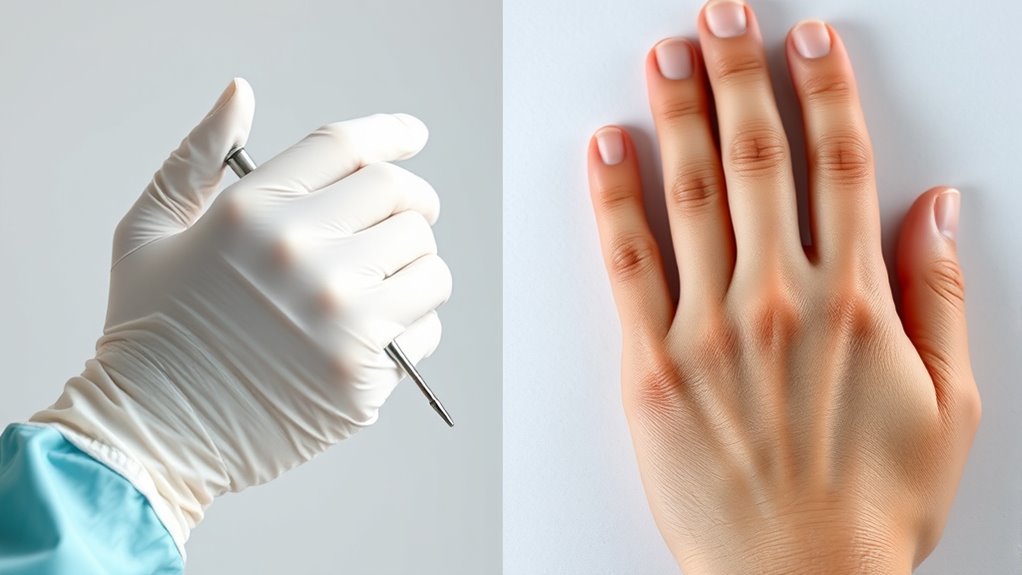
When it comes to food safety and hygiene standards, understanding the rules about glove use versus bare-hand contact is essential. Your primary goal is to prevent cross-contamination, which means knowing when to wear gloves and when bare hands are acceptable. Proper hand hygiene remains the foundation of safe food handling, regardless of whether you’re using gloves or not. Before handling food, always wash your hands thoroughly with soap and water, scrubbing for at least 20 seconds. This step is crucial because gloves can give a false sense of security, and hands can still carry bacteria if not properly cleaned. Remember, gloves are not a substitution for good hand hygiene; they’re only an additional barrier. Additionally, understanding the horsepower of electric dirt bikes can help you appreciate the importance of safety gear when riding at high speeds, which is similarly critical in maintaining safety standards in food handling.
Gloves are designed to act as a protective layer, but their effectiveness depends heavily on their durability. If gloves tear, puncture, or become damaged during use, they cease to provide the intended barrier. That’s why selecting high-quality gloves with good durability is vital. Thin or poorly manufactured gloves are more prone to ripping, which can lead to contamination. Regularly inspecting gloves during use ensures that you’re not unknowingly spreading germs. If a glove tears, discard it immediately and wash your hands before putting on a new pair. Remember, gloves are most effective when you handle them correctly and replace them frequently when switching between tasks or ingredients.
It’s equally important to understand when glove use is mandated and when bare-hand contact is permitted. For example, when working with ready-to-eat foods, gloves are often required to prevent contamination from hands. Conversely, in some jurisdictions, bare-hand contact with certain fresh produce or baked goods may be allowed if proper hand hygiene is maintained. Always follow local food safety regulations, which specify these rules clearly. When in doubt, it’s safer to use gloves, especially if you’re handling food that will not be cooked further.
Ultimately, gloves are a tool to enhance hygiene, but they shouldn’t replace good hand hygiene practices. Keeping hands clean before glove application, choosing gloves with high durability, and replacing them when necessary are key steps in maintaining food safety. By understanding these rules, you minimize risks and ensure your food handling practices meet hygiene standards. Staying vigilant about hand hygiene and glove integrity helps protect your customers and upholds the reputation of your establishment. Properly balancing glove use with bare-hand contact protocols ensures you’re doing everything possible to keep food safe and contamination-free.
As an affiliate, we earn on qualifying purchases.
Frequently Asked Questions
Are There Specific Gloves Recommended for Food Handling?
Yes, for food handling, you should choose gloves made from food-safe materials like latex, nitrile, or polyethylene. These gloves help maintain food safety by preventing cross-contamination and protecting both the food and consumers. Make sure the gloves fit well and are free from tears or holes. Using the right glove material guarantees you comply with safety standards and keep your food handling process hygienic and effective.
How Often Should Gloves Be Changed During Use?
You should change gloves as soon as they become torn, soiled, or after handling raw food, to maintain glove durability and prevent contamination. Follow your hand hygiene protocols by changing gloves regularly, especially between different tasks or food types. Always replace gloves if you suspect cross-contamination or if they no longer fit properly. Regular changing guarantees safety and keeps your food handling practices compliant with health standards.
Can Gloves Be Reused or Should They Be Disposable?
You should not reuse disposable gloves; they’re designed for single use only. Reusable gloves can be cleaned and disinfected properly, but you must follow glove disposal protocols once they’re no longer safe to use. Always check manufacturer instructions for cleaning reusable gloves, and discard them if they show damage or contamination. Proper glove disposal prevents cross-contamination and maintains safety standards, so never reuse disposable gloves and handle used gloves responsibly.
Are There Industry Standards for Glove Use in Healthcare?
Yes, industry standards in healthcare require you to use gloves made from appropriate materials like latex, nitrile, or vinyl, depending on the task. You should always follow proper hand hygiene before putting on gloves and after removing them to prevent contamination. These standards emphasize that gloves are a barrier, but not a substitute for hand hygiene, ensuring protection for both patients and healthcare workers.
What Are the Penalties for Non-Compliance With Glove Rules?
If you don’t follow glove use rules, you risk penalties like fines, disciplinary actions, or even suspension. Non-compliance can lead to glove contamination, jeopardizing patient safety and violating hand hygiene protocols. You might also face legal consequences or damage to your professional reputation. To avoid these penalties, always adhere to glove regulations, practice proper hand hygiene, and guarantee gloves are used correctly to protect yourself and your patients.
Conclusion
Whether you choose gloves or bare hands, remember that each decision paints a different picture of safety. Imagine your hands as the brushstrokes—gloves adding a protective layer, like a shield of vibrant color, or bare skin revealing natural precision. Your choice shapes the canvas of cleanliness and risk. So, stay aware, make intentional moves, and keep the image of safety bright and clear in every action you take.
Halloween Picks
halloween
As an affiliate, we earn on qualifying purchases.