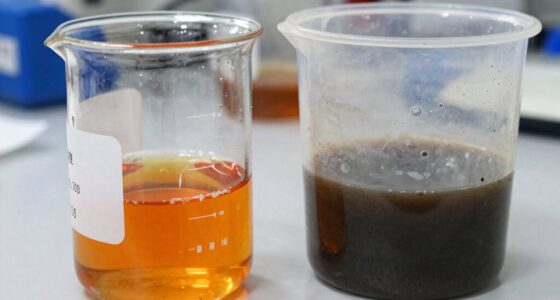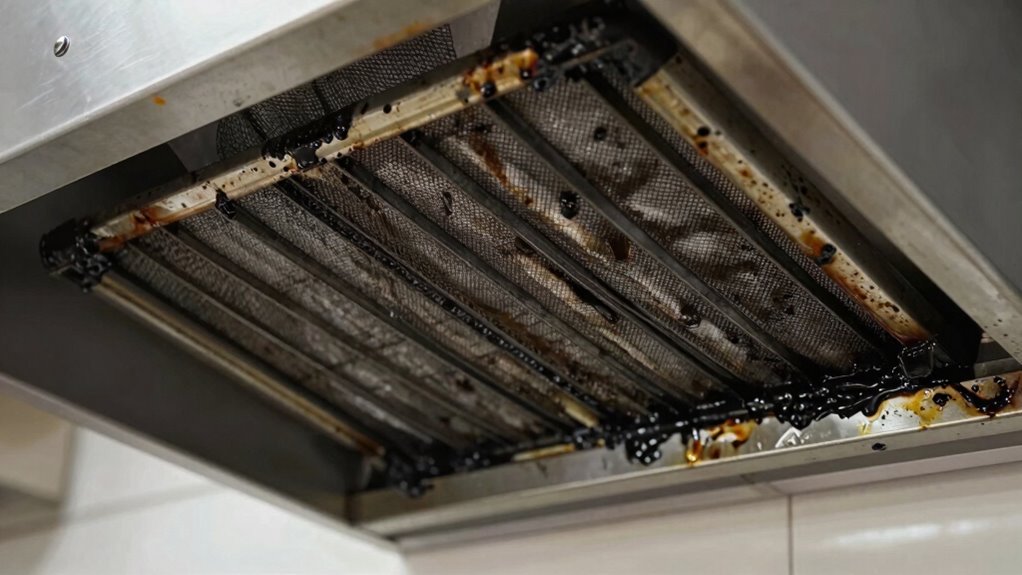

You need to prioritize regular maintenance for heavy-duty hood filters because their performance and safety depend on it. Even if marketing claims suggest long-lasting filters, grease buildup and debris can reduce airflow, increase fire risks, and cause damage. Proper cleaning and inspections help guarantee the filters stay effective and durable over time. Keep an eye on wear and tear, and you’ll prevent costly problems later—continue and you’ll discover how to optimize your maintenance schedule effectively.

Get kitchen staples and gadgets delivered free with Prime
- Fast, free delivery on millions of items
- Prime Video, Amazon Music and more included
- Member-only deals all year
Key Takeaways
- Proper maintenance ensures filters remain effective regardless of marketing claims about durability or quality.
- Regular cleaning prevents grease buildup that can compromise airflow and increase fire risks.
- Maintenance frequency is dictated by actual kitchen conditions, not marketing promises of long-lasting filters.
- Well-maintained filters reduce wear and prolong lifespan, saving costs over time.
- Inconsistent cleaning can lead to material degradation, regardless of a filter’s advertised durability.
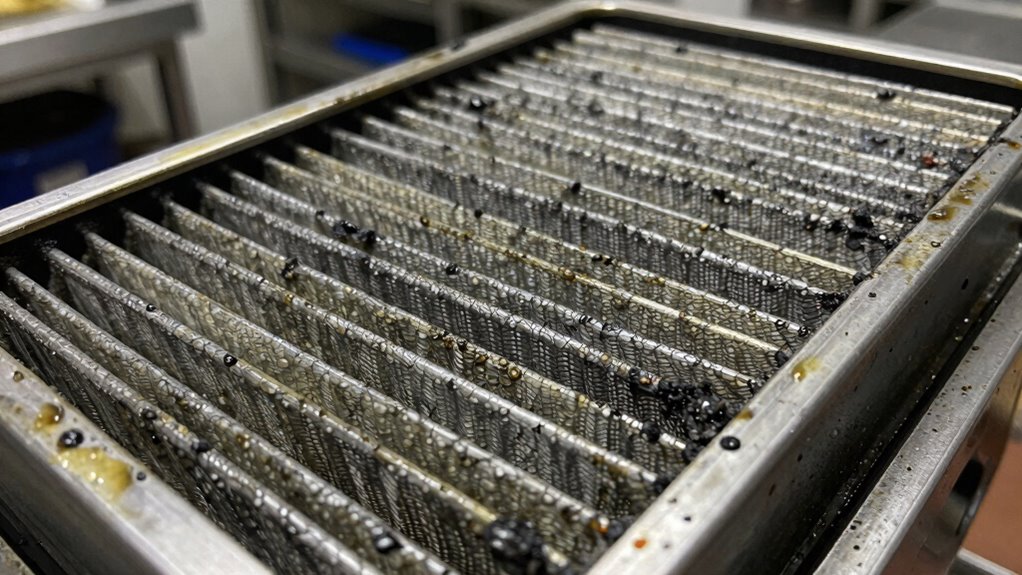
Heavy-duty hood filters are essential components for maintaining a clean and safe commercial kitchen environment. They trap grease, smoke, and other airborne particles, preventing buildup that can compromise air quality and increase fire risks. When it comes to choosing and maintaining these filters, focusing on proper installation and understanding material durability makes a significant difference in their performance and lifespan.
Heavy-duty hood filters ensure safety and air quality by trapping grease, smoke, and airborne particles effectively.
For installation tips, it’s crucial to ensure that the filters are correctly fitted into your hood system. Misaligned or loosely installed filters can allow grease and contaminants to bypass, reducing their effectiveness. Make sure to follow the manufacturer’s instructions carefully, and double-check that the filters sit snugly within the filter frame. Proper sealing prevents leaks and guarantees maximum airflow, which keeps your ventilation system working efficiently. Regularly inspecting the fit during routine maintenance also helps catch any issues early, saving you time and money in the long run.
Material durability plays a vital role in how long your filters last and how well they perform under demanding conditions. Heavy-duty hood filters are typically made from materials like stainless steel or high-quality aluminum, which resist corrosion and withstand high temperatures. These materials are essential because they endure the frequent cleaning cycles and exposure to grease and moisture common in commercial kitchens. When selecting filters, don’t just look at marketing claims — evaluate the quality of the materials used. Durable materials contribute to easier cleaning, less frequent replacements, and overall better protection against fire hazards. Additionally, understanding the material properties helps ensure you choose filters that can stand up to the rigorous demands of your kitchen environment. Furthermore, selecting filters with superior fire resistance can significantly reduce potential hazards during operation. Regular maintenance should also include checking for signs of material degradation, which can compromise the filter’s effectiveness over time. Being aware of how material performance influences longevity can help optimize your filter choices and maintenance schedule. It’s also beneficial to consider the ease of cleaning when selecting heavy-duty filters, as this impacts maintenance efficiency and overall durability.
heavy-duty commercial hood filter
As an affiliate, we earn on qualifying purchases.
As an affiliate, we earn on qualifying purchases.
Frequently Asked Questions
How Often Should I Replace Heavy-Duty Hood Filters for Optimal Performance?
You should replace your heavy-duty hood filters based on their filter materials and your kitchen’s usage. Typically, follow recommended replacement schedules—every 6 to 12 months—especially if you notice grease buildup or reduced airflow. Regular inspections help you gauge when to change filters, ensuring peak performance. Relying solely on marketing claims isn’t enough; consistent maintenance based on actual filter condition keeps your ventilation system working efficiently.
Do Different Cooking Styles Require More Frequent Hood Filter Maintenance?
Yes, different cooking styles can require more frequent hood filter maintenance. For example, frying with cooking oil produces more grease and smoke, which can clog filters faster. This reduces ventilation efficiency and increases the need for regular cleaning. You should monitor your filters and clean them more often if you notice grease buildup or reduced airflow, ensuring your ventilation system stays effective regardless of your cooking style.
Can Improper Maintenance Affect the Lifespan of Heavy-Duty Hood Filters?
Improper maintenance can considerably shorten your heavy-duty hood filter’s lifespan. Studies show that neglected filters can lose up to 50% of their efficiency within a year. Regular cleaning and timely replacements are essential for maximizing filter longevity and ensuring ideal performance. Maintenance importance cannot be overstated, as it directly impacts how long your filters last and keeps your kitchen safe and compliant with health standards.
Are There Specific Signs Indicating My Hood Filter Needs Cleaning or Replacing?
Yes, you’ll notice airflow obstruction and filter discoloration as clear signs your hood filter needs cleaning or replacing. When airflow decreases, it indicates buildup that hampers efficiency. Discoloration, especially darkening or staining, also signals dirt accumulation. Regularly check your filter for these signs, and don’t delay cleaning or replacing to maintain proper ventilation and extend your filter’s lifespan. Proper maintenance keeps your system running smoothly.
How Does Maintenance Frequency Impact Overall Kitchen Air Quality?
Frequent maintenance of your hood filters keeps airborne pollutants and odors under control, leading to better kitchen air quality. When you clean or replace filters regularly, you prevent grease buildup and trap more contaminants, reducing the risk of poor air circulation. This proactive approach guarantees odor control and minimizes airborne pollutants, creating a healthier environment for everyone. Skipping maintenance can cause air quality to decline, negatively impacting your kitchen’s safety and comfort.
Conclusion
Remember, choosing heavy-duty hood filters isn’t just about marketing claims—it’s about prioritizing maintenance frequency. Skipping regular cleaning might seem like a time-saver, but it actually risks costly repairs and health hazards down the line. So, don’t be swayed by flashy promises; stay committed to a routine. Consistent maintenance keeps your filters functioning at their best, saving you money and ensuring a safer environment. Your investment pays off in the long run—trust the process.
Evergreen bestsellers Picks
bestsellers
As an affiliate, we earn on qualifying purchases.