

To create a better pest sighting process for staff, start with clear, accessible reporting procedures that specify who to contact and what details to include. Implement user-friendly technology like mobile apps for quick reporting and provide ongoing training to boost confidence in pest recognition. Foster a culture of vigilance through visual aids and real-life examples, emphasizing prompt action. By combining these steps, you’ll guarantee staff are prepared and proactive—continue with these strategies to learn how to strengthen your pest management system even further.
Key Takeaways
- Develop clear, simple reporting procedures with specific contact points and detailed information requirements.
- Train staff regularly using visual aids, real-life examples, and role-play to reinforce pest recognition and reporting skills.
- Implement user-friendly digital tools like mobile apps for quick, accurate pest reporting and documentation.
- Foster a proactive culture of vigilance through continuous education, awareness, and feedback to encourage prompt reporting.
- Integrate ongoing training and updates to ensure staff stay knowledgeable and adhere to effective pest sighting protocols.
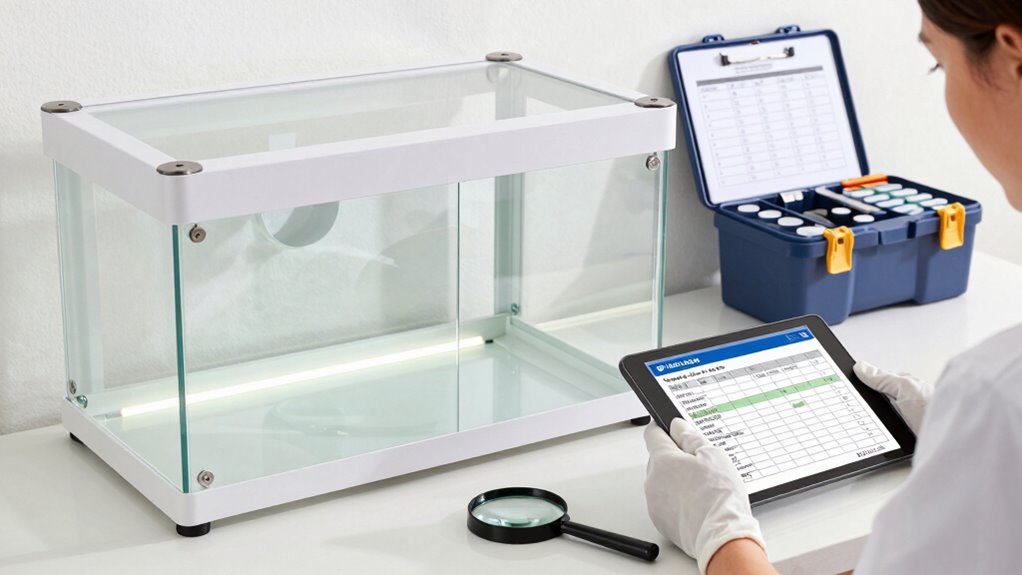
Effective pest management begins with a streamlined sighting process that encourages prompt reporting and accurate identification. When your staff knows exactly what to do and how to report pest sightings, you minimize damage and prevent infestations from spreading. The foundation of this process relies heavily on effective staff training and clear reporting procedures. By investing in proper training, you ensure that every team member understands how to recognize pests, what signs to look for, and the importance of quick action. Well-trained staff are more confident in their ability to identify issues early and report them accurately, reducing the chances of overlooked sightings or misidentifications.
Your reporting procedures should be simple, accessible, and straightforward. When an employee notices signs of pests, they need to know exactly how and where to report it. This could involve dedicated digital platforms, such as mobile apps or online forms, or physical methods like designated reporting sheets. Whatever system you choose, it must be user-friendly and encourage immediate action. Clear guidelines should specify who to contact, what information to include, and how to document the sighting—such as taking photos or noting specific locations. This clarity prevents confusion and delays, ensuring that pest issues are addressed promptly. Additionally, integrating technology tools can enhance the speed and accuracy of reporting, making the process more efficient. Incorporating proper training on these tools can further streamline communication and response times.
Implementing regular staff training sessions is crucial. During these sessions, emphasize the importance of timely reporting and teach staff how to distinguish between common pests and false alarms. Use visual aids, real-life examples, or even role-play scenarios to reinforce learning. The training should also cover your company’s reporting procedures, highlighting the steps to follow once a pest is spotted. Reinforcing these protocols keeps everyone on the same page and underscores their role in maintaining a pest-free environment. Furthermore, fostering a culture of vigilance can significantly improve pest sighting accuracy and response times. A comprehensive approach that includes ongoing education and feedback helps sustain high standards of pest management. Consistent training ensures staff remain knowledgeable and prepared to act swiftly when needed.
As an affiliate, we earn on qualifying purchases.
Frequently Asked Questions
How Often Should Staff Report Pest Sightings?
You should report pest sightings as soon as you notice them to effectively address pest behavior and prevent infestations. Prompt reporting helps overcome reporting challenges by ensuring quick action, reducing the risk of pests spreading or causing damage. Regularly remind staff to stay vigilant and report sightings immediately. This proactive approach keeps everyone aware, minimizes pest issues, and maintains a pest-free environment. Quick reporting truly makes a difference.
What Training Is Needed for Effective Pest Sighting Identification?
You need to train staff in pest behavior and identification techniques to improve pest sighting accuracy. Teach them how pests move, hide, and their signs of activity. Use visual aids like photos and samples, and conduct hands-on exercises for identification. Regularly update training to include new pest trends and behaviors. This way, your team can quickly recognize pests, report sightings accurately, and help prevent infestations effectively.
How Should Staff Prioritize Pest Sighting Reports?
You should prioritize pest sighting reports based on urgency and potential impact, following clear pest reporting protocols. Use staff communication strategies to quickly relay high-priority sightings to the right team members, ensuring prompt action. Encourage staff to document details accurately and flag urgent cases. Regularly review reports to identify patterns, so you can allocate resources effectively and prevent infestations before they escalate.
What Tools or Technology Can Improve Reporting Accuracy?
Ever wonder how to boost pest detection and reporting accuracy? Using digital tools like mobile apps with photo capture, GPS tagging, and real-time updates can dramatically improve your pest sighting reports. These technologies minimize human error, guarantee accurate documentation, and streamline communication. Are you ready to adopt smarter pest detection tools that empower your staff to report sightings confidently and precisely? Embrace these solutions to enhance your pest management process today.
How to Handle False or Repeated Pest Sighting Reports?
To handle false or repeated pest sighting reports, you should analyze pest behavior patterns to identify genuine issues. Address reporting challenges by encouraging staff to provide detailed, accurate descriptions and timestamps. When reports seem repetitive, verify each sighting with inspections before taking action. Educate staff on spotting true signs versus false alarms, which helps prevent unnecessary responses and maintains trust in your pest management process.
Conclusion
By building a better pest sighting process, you empower your team to swiftly spot, speak up, and solve pest problems. Streamline reporting, strengthen communication, and stay vigilant to prevent pests from pestering your property. Remember, a proactive, polished process promotes peace of mind and pest-free perfection. With clear cues and committed collaboration, you create a pest-proof place where pests are promptly prevented and promptly prevented. Perfect pest management begins with your process—make it better today!