To guarantee your ice, coffee, and steam equipment perform reliably, focus on proper water line planning. Start by checking water pressure early and consider adding booster pumps or regulators if needed. Choose durable pipe materials like copper, PEX, or stainless steel based on water quality and budget. Keep pipe sizes appropriate and layout simple to prevent pressure drops. Regular maintenance and future-proofing your system can extend equipment lifespan and optimize performance—learn more to avoid costly issues later.

Get kitchen staples and gadgets delivered free with Prime
- Fast, free delivery on millions of items
- Prime Video, Amazon Music and more included
- Member-only deals all year
Key Takeaways
- Ensure proper water pressure with regulators or booster pumps to maintain consistent equipment performance.
- Select durable, corrosion-resistant pipe materials like copper, PEX, or stainless steel based on water quality and budget.
- Properly size pipes to prevent pressure drops and ensure sufficient flow for ice, coffee, and steam equipment.
- Design an efficient pipe layout minimizing bends and long runs to reduce pressure loss and improve flow.
- Plan for future expansion and regular maintenance to sustain system longevity and operational efficiency.

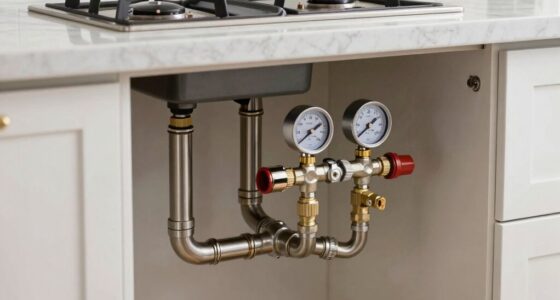
Proper water line planning is essential for guaranteeing your ice, coffee, and steam equipment operates efficiently and reliably. When designing your water supply system, you need to pay close attention to water pressure. Adequate pressure guarantees that your machines receive enough water flow to function correctly, especially during peak usage times. Insufficient pressure can lead to poor ice production, weak coffee extraction, or inconsistent steam generation. To avoid these issues, measure your water pressure early in the planning process. If your pressure is too low, consider installing a booster pump or pressure regulator to stabilize flow and maintain consistent performance.
Ensuring proper water pressure is key to reliable, efficient operation of your ice, coffee, and steam equipment.
Another critical aspect is selecting the right pipe materials. Choosing durable, corrosion-resistant pipes ensures longevity and minimizes maintenance. Copper pipes are a popular choice because they resist corrosion and handle high temperatures well, but they can be more expensive and require professional installation. PEX pipes are increasingly common due to their flexibility, ease of installation, and resistance to scale buildup. Stainless steel pipes are another excellent option, especially in environments prone to corrosion or mineral deposits, because they offer strength and longevity. When selecting pipe materials, consider your local water quality, budget, and ease of installation. Using the correct materials not only extends the lifespan of your system but also helps prevent leaks that could disrupt your operation.
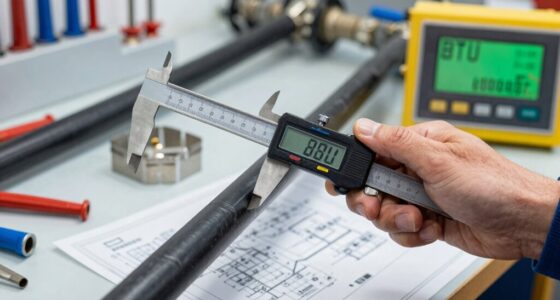
It’s also essential to think about pipe sizing during planning. Proper sizing ensures your equipment receives the right amount of water without unnecessary pressure loss or flow restrictions. Oversized pipes might be more costly and complex to install, while undersized pipes can cause pressure drops and insufficient water flow. Consult your equipment specifications and local plumbing codes to determine the ideal pipe diameter. Also, keep in mind that the layout of your water lines should minimize bends and long runs, which can contribute to pressure drops and reduce efficiency. Incorporating proper pipe sizing and layout from the start can significantly impact overall system performance. Additionally, considering pressure regulation can help maintain consistent flow despite fluctuations in water supply. Incorporating flow optimization techniques during planning can further enhance system efficiency and reduce waste. Including future growth considerations during planning can ensure your system remains scalable as your needs evolve. Planning for water quality and filtration options can further improve system reliability and longevity.
Finally, consider future growth or additional equipment when planning your water lines. Installing slightly larger pipes or additional pressure regulation can save you from costly upgrades down the line. Regular maintenance, such as flushing and inspecting pipes, keeps water quality high and prevents buildup that could impair water flow. By paying careful attention to water pressure and selecting suitable pipe materials, you’ll set a solid foundation for your ice, coffee, and steam equipment to perform reliably and efficiently. Proper planning now saves you time, money, and headaches later, ensuring your operation runs smoothly for years to come.
water pressure booster pump for coffee machines
As an affiliate, we earn on qualifying purchases.
As an affiliate, we earn on qualifying purchases.
Frequently Asked Questions
What Are the Best Water Filtration Options for These Machines?
You should choose water filter types like reverse osmosis, carbon block, or multi-stage filters to guarantee clean water for your equipment. These options effectively remove impurities, minerals, and odors. Make sure to follow installation standards, such as proper placement, pressure regulation, and regular maintenance, to maximize filter performance. Properly filtered water improves machine longevity, beverage quality, and reduces mineral buildup, keeping your ice, coffee, and steam equipment running smoothly.
How Often Should Water Lines Be Inspected or Replaced?
You should inspect your water lines every six months and replace them annually to guarantee peak performance. Regular water line maintenance helps detect leaks and buildup early, preventing costly repairs. Focus on corrosion prevention by using quality materials and flushing lines regularly. Keep a close eye on signs of wear, such as discoloration or reduced flow, and act promptly to maintain the integrity of your equipment and assure quality water.
What Are Common Signs of Water Line Issues?
You’ll notice water line issues when water pressure drops unexpectedly or mineral buildup causes clogs. Reduced water flow or inconsistent delivery signals a problem, while visible mineral deposits or discoloration indicate buildup that can hinder performance. Keep an eye out for leaks or strange noises, as these also point to potential water line issues. Regular inspections help catch these signs early, ensuring your equipment runs smoothly and efficiently.
How Does Water Hardness Affect Equipment Performance?
They say, “An ounce of prevention is worth a pound of cure,” which rings true for water mineralization and pipe corrosion. Hard water, rich in minerals, can cause buildup inside pipes, reducing flow and damaging equipment. This mineralization hampers performance, leading to frequent maintenance. To keep your equipment running smoothly, monitor water hardness levels, and consider water softening solutions to prevent mineral deposits and pipe corrosion.
Are There Specific Regulations for Water Line Installation?
Yes, there are specific regulations for water line installation. You need to guarantee regulation compliance by following local codes and standards, which often specify pipe materials, pressure requirements, and proper connections. Installation standards emphasize secure fittings, backflow prevention, and proper drainage. Adhering to these rules helps prevent contamination, ensures safety, and maintains equipment efficiency. Always check with local health departments or building authorities before starting your installation.
Conclusion
Proper water line planning guarantees your ice, coffee, and steam equipment operate smoothly, preventing costly downtime. Just as a well-laid foundation supports a sturdy building, thoughtful plumbing safeguards your workflow. Neglect it, and you’ll face interruptions and repairs. By balancing precision with flexibility, you create a reliable system that fuels your success. Remember, in the world of equipment, good water line planning isn’t just a detail—it’s the backbone of efficiency and quality.
Halloween Picks
halloween
As an affiliate, we earn on qualifying purchases.