
TL;DR

Get kitchen staples and gadgets delivered free with Prime
- Fast, free delivery on millions of items
- Prime Video, Amazon Music and more included
- Member-only deals all year
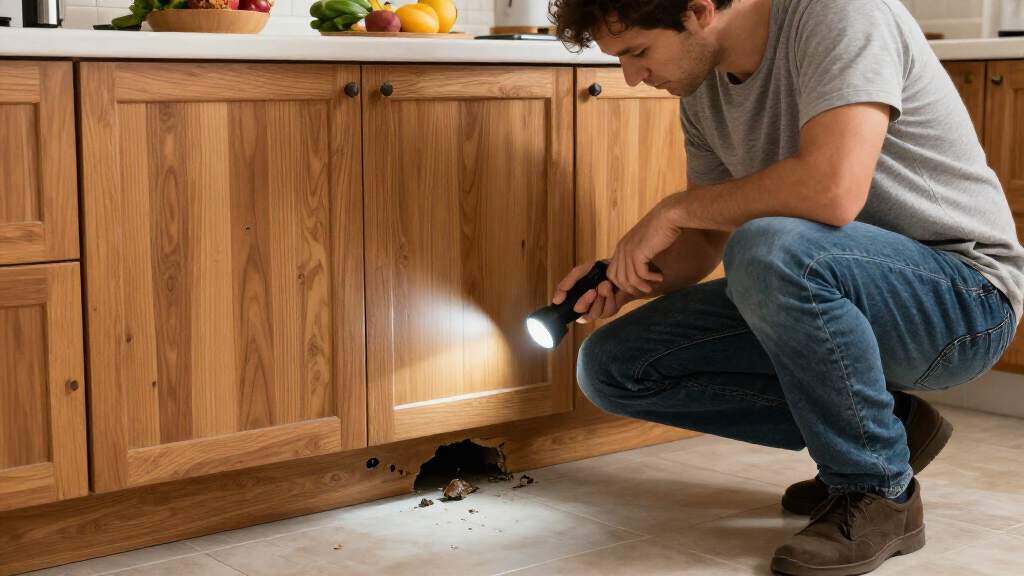
A Good Housekeeping report outlines early signs of mice, including droppings, gnaw marks, greasy smudges, nests and stored food. It recommends removing food sources, checking for gaps as small as a quarter-inch and considering professional help; the report says a sighting alone does not confirm an infestation.
A Good Housekeeping report identifies droppings, gnaw marks, greasy tracks and nests among the signs that mice may be living in a home, and recommends reducing food access and sealing openings. The advice matters because mice can reproduce quickly, while one sighting does not by itself establish the size of a problem.
Droppings are one of the clearest clues, according to Dan DiClerico, director of the Good Housekeeping Institute’s Home Improvement & Outdoor Lab. Mouse droppings are typically about one-quarter inch long, roughly the size of a grain of rice, and may have a pointed or pinched end. Cockroach and cricket droppings can look similar, so appearance alone may not settle what left them. Dust can also make droppings in attics or other dry spaces look older than they are.
Other evidence includes chewed materials or wires, oily smudges along repeated travel routes, tiny tracks in dusty areas, and nests made with soft materials. A hidden cache of seeds, nuts or snack crumbs can also point to mouse activity. The report says a urine odor or a sudden increase in flies, fleas or mites may have other explanations, but can be associated with mice or a dead mouse in a wall.
To investigate, the report recommends starting in the kitchen, particularly behind or beneath appliances and near uncovered garbage. Check room edges and warm, quiet places such as attics, wall voids, and areas around water heaters, dryers and stoves. If signs are present, practical first steps include cleaning up crumbs, storing food in tightly sealed hard containers and inspecting for openings around pipes, doors and vents.
Why Small Signs Deserve Attention
Early evidence can help residents respond before a small problem becomes harder to manage. The report cites pest expert Dr. Kathy Heinsohn, who says female house mice can begin breeding at about six weeks of age; litters usually contain four to eight pups, and a female may become pregnant again within 24 hours of giving birth. These figures explain why the report advises against waiting, though they do not indicate how many mice are in any particular home.
Damage can go beyond food contamination or nuisance. Heinsohn says mice may gnaw wires, which can disrupt appliances and create a potential fire risk. Droppings and other clues can help direct an inspection, but identification and the extent of activity may require a closer look.
Products Worth Considering

Vitamix 5200 Professional-Grade Blender, 64 oz. Container, Black

Cuisinart CCP-10 Electric Cookie Press with 12 Discs and 8 Decorating Tips

Instant Pot Vortex Plus 10-Quart 7-in-1 Air Fryer Oven
As an affiliate, we earn on qualifying purchases.
Where Mice Enter and Travel
The report describes colder weather as a period when rodents may seek indoor warmth and shelter. It quotes DiClerico calling the seasonal movement the “fall invasion.” This is a general explanation of why residents might notice activity as temperatures drop, not confirmation that every mouse sighting is seasonal or that a home is infested.
Mice tend to move along walls and baseboards, according to the report, and may forage 10 to 30 feet from a primary hiding place, Heinsohn says. That range is an estimate attributed to the expert, not a reliable way to locate every nest. Potential access points include gaps around plumbing and utility lines, door sweeps, vents, crawlspace doors and uncapped chimneys; the report says mice can fit through openings about one-quarter inch wide.
“Colder weather forces more rodents inside to seek out warmth and shelter.”
— Dan DiClerico, director of the Good Housekeeping Institute’s Home Improvement & Outdoor Lab
What Signs Cannot Confirm
A mouse sighting, droppings or a smell may suggest activity, but the supplied report does not offer a diagnostic test that establishes the number of mice, the location of a nest or whether activity is ongoing. Droppings can be confused with evidence from insects, and their apparent age can be misleading in dusty areas. DiClerico’s estimate that one visible mouse may mean about 10 nearby is an expert’s rule of thumb, not a confirmed count for an individual home.
The source material also does not provide a detailed trapping or cleanup protocol, pesticide guidance, or criteria for choosing a pest-control provider. It says the choice to handle the issue yourself or call a professional depends partly on a resident’s tolerance for mice, but the report excerpt ends before detailing further advice.
Inspect, Seal and Recheck
Residents who suspect mice can begin by cleaning food crumbs, keeping pantry items in tightly lidded containers and checking likely routes and hiding places. Inspect for gaps around doors, pipes, vents and the foundation, then seal openings found. The report also recommends keeping shrubs and branches from providing routes to the house; Heinsohn suggests pea-sized gravel around the foundation as an additional deterrent.
If signs persist, are widespread, or include chewed wiring, residents can consider contacting a pest-control professional. The source does not specify a follow-up timetable or a particular treatment method, so the appropriate response will depend on the evidence and the home.
Key Questions
What are the most common early signs of mice?
Look for small droppings, gnaw marks, greasy smudges, tracks, nests made with soft materials, or stashed food. A sighting can also be a clue, but does not establish how many mice are present.
Where should I look first?
The report recommends starting in the kitchen, including under and behind appliances and near uncovered garbage. Also check room edges, attics, wall openings and warm, quiet areas around appliances and water heaters.
How small an opening can a mouse fit through?
The report says mice can squeeze through a gap about one-quarter inch wide. Inspect door sweeps and openings around pipes, utility lines, vents and other exterior access points.
Should I call a pest-control professional?
The report says the decision depends partly on a resident’s tolerance for mice. Consider professional help if signs continue or are extensive; the supplied source does not set a specific threshold or treatment plan.
Source: goodhousekeeping.com