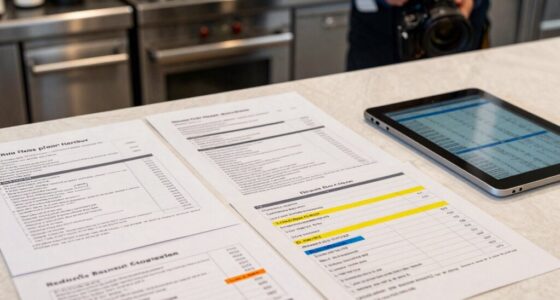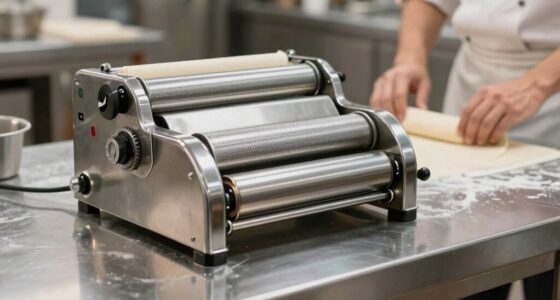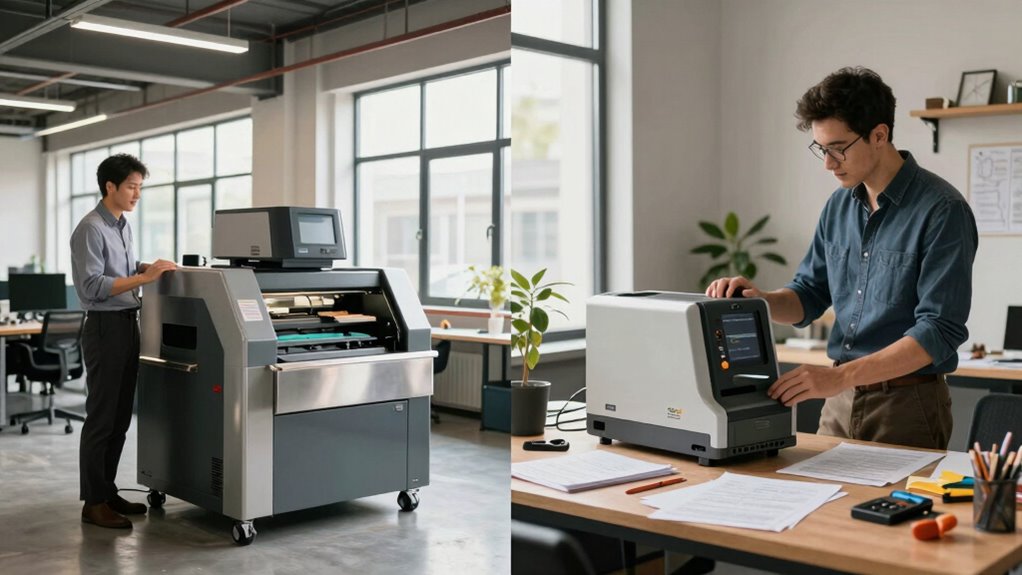

If your business is in early growth stages, leasing equipment offers you flexibility, lower upfront costs, and access to the latest technology, making it a smart choice. As your business stabilizes, buying can help you build long-term asset value and reduce ongoing expenses. Consider leasing when quick upgrades matter, but switch to buying when you prefer ownership and cost control over time. To discover which approach best suits your growth phase, keep exploring the options.

Get kitchen staples and gadgets delivered free — and shop member deals
- Fast, free delivery on millions of items
- Access to Prime Big Deal Days deals on October 6–7
- Prime Video, Amazon Music and more included
Key Takeaways
- Early growth favors leasing for lower upfront costs and flexibility to adapt equipment as the business scales.
- Rapid expansion benefits from leasing’s quick upgrade options to stay technologically competitive.
- Stabilized businesses may prefer buying to build long-term asset value and reduce ongoing expenses.
- Leasing supports cash flow management during growth phases, while buying suits businesses focusing on cost efficiency over time.
- Equipment lifecycle considerations influence whether leasing or buying aligns better with strategic growth objectives.

Are you torn between leasing and buying commercial equipment for your business? Deciding which option best suits your needs depends on your company’s current growth stage, financial goals, and operational plans. If you’re in the early phases of growth, leasing might seem more appealing because it requires less upfront capital and offers flexibility. Equipment financing through leasing allows you to access the latest technology without a hefty initial investment, making it easier to adapt as your business expands. Plus, leasing often includes maintenance services, helping you control costs and avoid unexpected expenses tied to equipment repairs or upgrades.
On the other hand, if your business is more established and looking to build equity, buying could be the smarter move. When you purchase equipment outright, you’re investing in a long-term asset that can eventually be paid off, reducing ongoing expenses. While it might require a larger initial outlay, ownership means you won’t face recurring lease payments, and you have the freedom to modify or upgrade equipment as needed. Additionally, understanding the cost implications of ownership, including maintenance and eventual replacement costs, is crucial for proper financial planning. Maintenance costs, which tend to increase as equipment ages, can eat into your budget, so owning equipment demands planning for these ongoing expenses to keep operations running smoothly. Recognizing the total cost of ownership can help you make more informed financial decisions. Furthermore, considering equipment lifecycle can help determine the best approach based on how long you intend to use the equipment.
Owning equipment builds long-term value but requires planning for rising maintenance costs over time.
As your business grows, your needs evolve, and so should your equipment strategy. During rapid expansion, leasing offers agility—allowing you to upgrade or replace machinery as technology advances or demand shifts. This flexibility can be paramount for staying competitive without the burden of obsolete equipment. Additionally, understanding the different growth stages of your business can help determine whether leasing or buying aligns better with your strategic goals. For instance, some companies might consider leasing as part of a broader financial strategy to preserve cash flow during expansion. Conversely, if you’re stabilizing and aiming for cost efficiency, buying might make more sense because it reduces long-term expenses and allows you to spread the cost over time through equipment financing options. Still, remember that ownership entails responsibility for maintenance costs, which may increase over time and impact your profitability if not managed properly.
As an affiliate, we earn on qualifying purchases.
Frequently Asked Questions
How Do Tax Implications Differ Between Leasing and Buying?
You’ll find that leasing offers immediate tax benefits through lease payments, which are fully deductible as business expenses. Buying allows you to utilize depreciation strategies, spreading out deductions over the equipment’s useful life. While leasing simplifies tax filing, buying can provide larger deductions upfront with depreciation. Your choice impacts your cash flow and tax planning, so consider your growth stage and financial goals when weighing these tax implications.
What Are the Long-Term Cost Differences?
Long-term costs differ based on equipment valuation and lease renewal options. When you buy, you own the equipment outright, potentially lowering long-term costs if it appreciates or holds value. Leasing involves ongoing payments, which can add up, but at the end of the lease, you might face renewal costs or upgrades. Consider how lease renewal terms impact your budget versus the one-time investment in purchasing for the most accurate long-term cost comparison.
How Does Maintenance Responsibility Vary?
They say, “You get what you pay for,” and that rings true for maintenance responsibility. When you buy equipment, you’re in charge of maintenance scheduling, ensuring it stays functional throughout its lifespan. Leasing often includes maintenance, reducing your workload but possibly limiting control. Your choice impacts ongoing costs and equipment longevity, so consider how much control you want over maintenance versus convenience in your growth stage.
When Is Leasing More Advantageous Than Buying?
Leasing is more advantageous when you need equipment flexibility and want to avoid long-term commitments. It allows you to upgrade or change equipment easily through lease renewal, keeping your business agile. If your growth is uncertain or you prefer predictable expenses, leasing helps manage cash flow and minimizes upfront costs. Plus, you often benefit from maintenance included, reducing additional responsibilities and making leasing a smart choice during rapid growth phases.
Are There Industry-Specific Leasing Options Available?
Yes, industry-specific leasing options are available, tailored to meet your unique needs. Think of it as a custom suit—designed to fit perfectly. These options often include equipment customization, allowing you to select features that align with your sector’s demands. Whether you’re in healthcare, manufacturing, or hospitality, specialized leasing programs can help you access the right equipment without the upfront costs, making growth smoother and more flexible.
Conclusion
So, whether you’re leasing to keep cash flowing or buying to feel like a true industrial titan, remember—both paths come with their own set of delightful headaches. Leasing might make you feel like a savvy minimalist, while buying grants you the noble privilege of ownership—and debt. Ultimately, choose what best suits your growth stage, because nothing screams “success” like juggling a shiny new piece of equipment or a hefty loan. Cheers to making the “right” choice!
NFL season / tailgating Picks
team gear
As an affiliate, we earn on qualifying purchases.