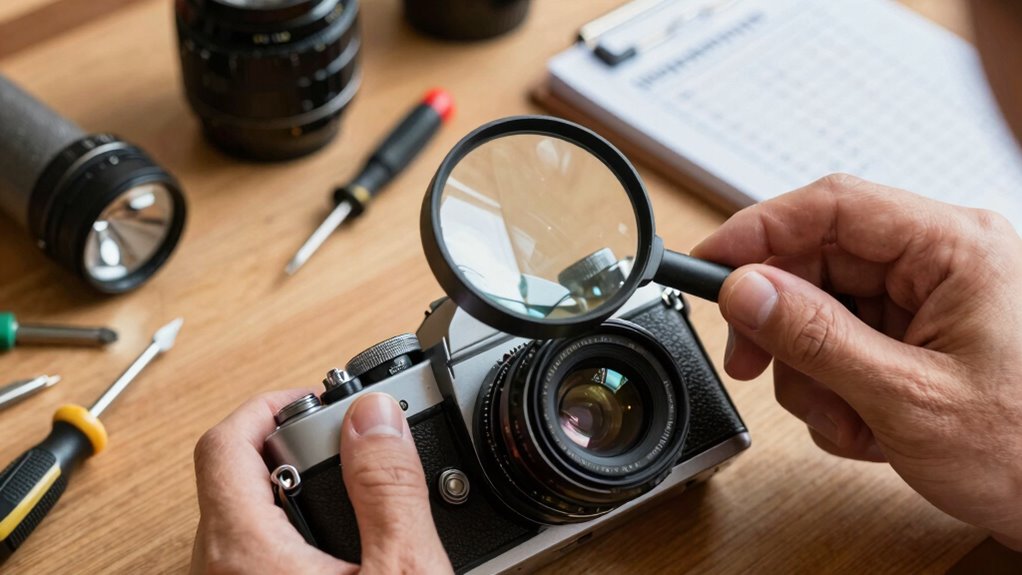
When buying used equipment, you should perform a detailed inspection checklist to avoid future regrets. Start by checking for signs of rust, leaks, or damage, and test all controls and gauges for proper function. Listen for unusual noises during operation, and verify maintenance records for regular servicing. Don’t forget to examine tires, belts, and hoses for wear. If you want to guarantee a smart purchase, continue exploring the best tips to make confident decisions.

Get kitchen staples and gadgets delivered free with Prime
- Fast, free delivery on millions of items
- Prime Video, Amazon Music and more included
- Member-only deals all year
Key Takeaways
- Review comprehensive maintenance records to confirm regular servicing and identify potential issues early.
- Conduct a thorough visual inspection for rust, leaks, damage, and excessive wear on all components.
- Test equipment functions and controls under load to ensure proper performance and responsiveness.
- Inspect tires, belts, hoses, and gauges for signs of aging, damage, or neglect.
- Consider expert input from a mechanic or operator and verify calibration and safety features before purchase.

Buying used equipment can be a smart way to save money, but it also comes with risks if you’re not careful. To avoid costly mistakes, you need to thoroughly inspect the equipment before making a purchase. A solid inspection checklist helps you identify potential issues early, saving you from unexpected repair costs down the line. Start by examining the overall condition—look for signs of excessive wear, rust, leaks, or damage. Ensure that all moving parts are in good shape, and test any visible controls or gauges to verify they respond properly. Don’t forget to check the tires, belts, or hoses, as these components often reveal the equipment’s true age and usage. If possible, review maintenance records or logs to see if routine servicing was performed regularly, which can indicate how well the equipment was cared for by the previous owner. When it comes to inspection tips, pay special attention to the engine or motor, listening for unusual noises or vibrations during operation. Request a demonstration if you can, so you observe how the equipment performs under load. Check for fluid leaks, and inspect filters and oil levels—these can be telltale signs of neglect or upcoming repairs. Be sure to verify the calibration of critical components, especially if precision is essential for your work. It’s also wise to bring a mechanic or an experienced operator with you if you’re not familiar with the machinery, as they can spot issues you might overlook. Additionally, understanding the warranty options available can provide extra security against unforeseen problems after the purchase.
As an affiliate, we earn on qualifying purchases.
Frequently Asked Questions
How Do I Verify the Seller’s Credibility Effectively?
You verify the seller’s credibility by checking their reputation online through reviews and ratings. Look into their transaction history for consistency and transparency, ensuring they have a track record of honest dealings. Reach out directly to ask questions and gauge their responsiveness. A trustworthy seller will have positive feedback, a solid reputation, and clear documentation, making you feel confident about the purchase and reducing the risk of scams or misrepresented equipment.
What Are Signs of Hidden Damages in Equipment?
You should watch for subtle inspection signs like uneven wear, unusual noises, or inconsistent operation, which hint at hidden damages. Look closely at welds, seals, and joints for signs of repairs or corrosion. Discoloration, lingering odors, or sluggish parts can also signal underlying issues. Trust your instincts and don’t hesitate to dig deeper—these hidden damages may not be immediately visible but could cause major problems later.
How Can I Assess the True Operational Condition?
To assess the true operational condition, review the equipment’s maintenance history for consistency and recent repairs. Test its functionality thoroughly, paying attention to unusual noises or performance issues. Consider the brand’s reputation for durability and support, which can indicate reliability. Don’t rush the inspection—take your time to guarantee all components work smoothly. A combination of these steps helps you make an informed decision and avoid future regrets.
Are There Specific Warranties for Used Equipment?
You might think used equipment comes with a warranty, but often, it’s a limited or no-warranty deal. Still, some sellers offer an extended warranty or warranty transfer, giving you peace of mind. Always ask if the warranty can transfer to you and check its duration. Remember, a warranty isn’t a guarantee of perfect condition but a safety net for unexpected issues, so read the fine print carefully!
What Legal Documentation Should I Review Before Purchase?
You should review the legal validation and ownership verification documents before buying used equipment. Verify the seller provides a clear title, bill of sale, and any relevant transfer papers. Check for liens or encumbrances that could affect ownership. Confirm the equipment’s legal status and that all documentation matches the item. Doing this helps protect your investment, avoids future disputes, and ensures you’re legally authorized to take ownership.
Conclusion
By following this inspection checklist, you reduce the risk of costly mistakes and guarantee you’re making a smart purchase. Did you know that nearly 30% of used equipment buyers regret their purchase within the first year? Take the time to inspect thoroughly and ask the right questions—it’s worth it. With careful checks, you’ll avoid surprises and enjoy your investment for years to come. Trust your process and buy with confidence.
Halloween Picks
halloween
As an affiliate, we earn on qualifying purchases.