
You might not realize how much the music volume influences your service, but it really shapes the whole dining experience. When music is too loud, it disrupts conversations and makes it harder for staff to hear orders, leading to mistakes and delays. Conversely, music that’s too soft can make the atmosphere dull. Finding the right balance enhances both customer enjoyment and staff efficiency. Keep exploring to discover more about how controlling audio levels can elevate your restaurant’s service.

Get kitchen staples and gadgets delivered free with Prime
- Fast, free delivery on millions of items
- Prime Video, Amazon Music and more included
- Member-only deals all year
Key Takeaways
- Higher music volume creates background noise that impairs servers’ ability to hear and communicate effectively.
- Loud music can lead to miscommunication, delays, and incorrect orders, reducing service quality.
- Proper volume levels foster a relaxed environment, encouraging better customer-staff interactions.
- Excessive noise increases customer frustration and can cause them to raise their voices, disrupting service flow.
- Balanced music volume enhances overall operational efficiency and customer satisfaction.
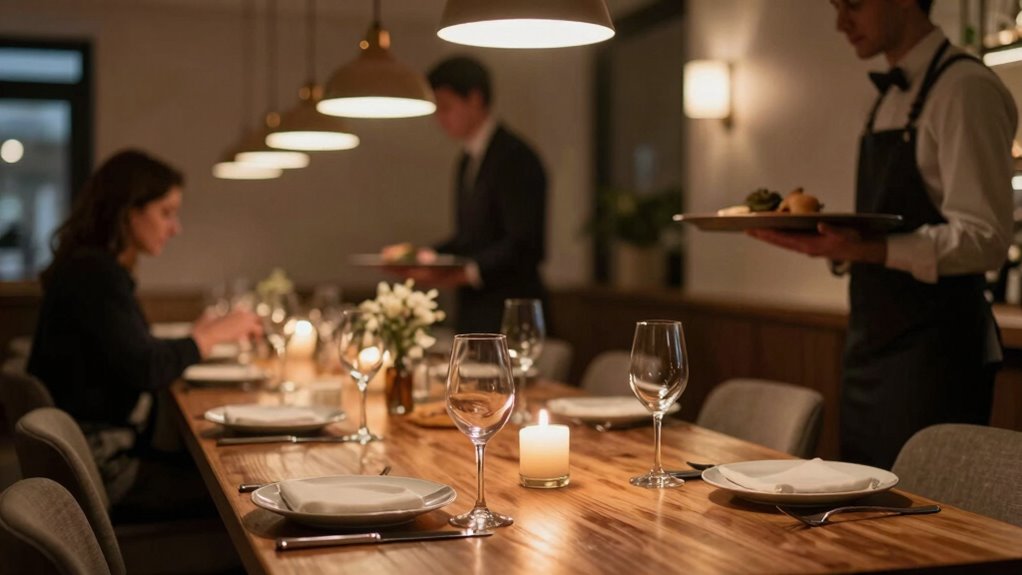
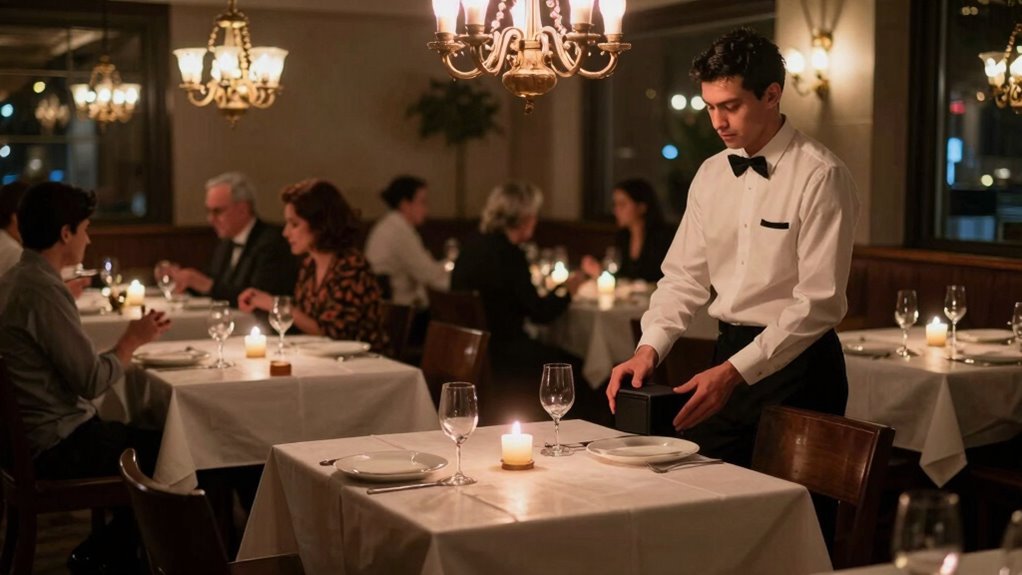
The volume of music in a dining room can considerably influence your dining experience and the quality of service you receive. When music is too loud, it creates a surge of background noise that makes it difficult to hold conversations. This can lead to frustration, especially if you’re trying to share a special moment or simply enjoy a relaxed meal. Conversely, if the music is too soft, the space might feel dull or uninviting, making it harder for staff to gauge the energy level of the room. The right balance helps set the tone, shaping the overall atmosphere.
Your mood as a customer is directly affected by the music volume. When the music is at a comfortable level, it fosters a sense of ease and enjoyment. You’re more likely to feel relaxed and open, which encourages better interaction with staff and fellow diners. This relaxed mood can lead to more positive exchanges, faster service, and a more enjoyable dining experience overall. On the other hand, if the music is overly loud, it can create a sense of chaos or discomfort. Customers may feel the need to raise their voices to be heard, leading to increased stress and a less pleasant experience. Staff, in turn, might find it harder to communicate efficiently, which can slow down service and increase mistakes.
Background noise from loud music also impacts how servers perform their tasks. When the music drowns out conversations, servers might struggle to hear customers’ orders or special requests. This miscommunication can cause delays, incorrect orders, or forgotten details, all of which diminish service quality. Additionally, a noisy environment forces servers to spend more effort trying to decipher what’s being said, reducing their efficiency and potentially lowering their overall performance. Properly managing background noise levels is essential for maintaining an optimal environment that supports both customer satisfaction and staff productivity. Recognizing that noise control isn’t just about volume but also about creating a balanced setting can help restaurants optimize their environment for better service.
In essence, the music volume in a dining room isn’t just about background ambiance; it’s a strategic tool that influences customer mood, communication, and service efficiency. When managed properly, it enhances the overall atmosphere, making every part of the dining experience more seamless. Proper control of background noise can significantly improve both customer satisfaction and staff performance. When ignored or misjudged, it can detract from the enjoyment and create unnecessary hurdles for staff and patrons alike. So, next time you’re in a restaurant, pay attention to how the music affects your mood and the flow of service—you might notice just how much volume matters.
restaurant background music volume control
As an affiliate, we earn on qualifying purchases.
As an affiliate, we earn on qualifying purchases.
Frequently Asked Questions
How Does Music Volume Influence Customer Dining Duration?
You’ll notice that music volume directly influences how long customers stay. A lower background ambiance creates a relaxed mood, encouraging diners to linger and enjoy their meal. Conversely, louder music can make customers feel rushed, shortening their dining duration. By adjusting the music volume appropriately, you shape the customer mood, subtly influencing their stay and overall satisfaction, which can boost your restaurant’s success.
Can Music Volume Affect Staff Communication and Efficiency?
Yes, music volume can substantially impact staff communication and efficiency. When music is too loud, it hampers staff mood by causing frustration and fatigue, making teamwork harder. Additionally, high volume reduces music clarity, making it difficult for staff to hear each other’s orders or instructions. This disruption leads to slower service and increased errors, ultimately affecting the overall dining experience. Keeping music at an ideal level benefits both staff and customers.
What Volume Level Is Ideal for Different Restaurant Types?
For fine dining, keep the ambient ambiance soft, around 50-60 decibels, to promote relaxed conversation and customer engagement. Casual restaurants can boost energy by playing music at 60-70 decibels, creating a lively atmosphere without overwhelming staff communication. Fast-food outlets should opt for even lower volumes or background music, ensuring quick service and clear communication. Adjust music levels based on your restaurant type to enhance service quality and customer experience.
Does Music Tempo Also Impact Service Quality?
Absolutely, music tempo profoundly influences service quality through its emotional impact. Faster tempos energize your guests, fostering lively, upbeat vibes, while slower beats soothe and encourage lingering. This background ambiance shapes guest mood and staff responsiveness alike, creating a harmonious harmony or hurried hustle. By carefully selecting tempo, you craft an environment where service feels seamless, elevating the entire dining experience and enhancing overall satisfaction.
How Can Restaurants Optimize Music Volume for Better Service?
You can optimize music volume by carefully balancing background noise and acoustic design. Keep music at a level that masks disruptive background noise without overwhelming conversations. Use acoustic treatments like soft furnishings and sound-absorbing panels to reduce echo and noise. Regularly monitor customer feedback and staff input to adjust the volume accordingly. This approach helps create a comfortable environment, allowing staff to focus on service and guests to enjoy their dining experience.
Conclusion
Just like a conductor guiding an orchestra, the music volume in your dining room sets the tone for your service. When it’s just right, it creates a harmonious atmosphere that encourages staff to perform at their best. But if it’s too loud or too soft, it can throw everything off balance. So, pay attention to that volume—because, like a good playlist, the right sound level makes all the difference in delivering a memorable dining experience.
Halloween Picks
halloween
As an affiliate, we earn on qualifying purchases.