
TL;DR

Get kitchen staples and gadgets delivered free with Prime
- Fast, free delivery on millions of items
- Prime Video, Amazon Music and more included
- Member-only deals all year
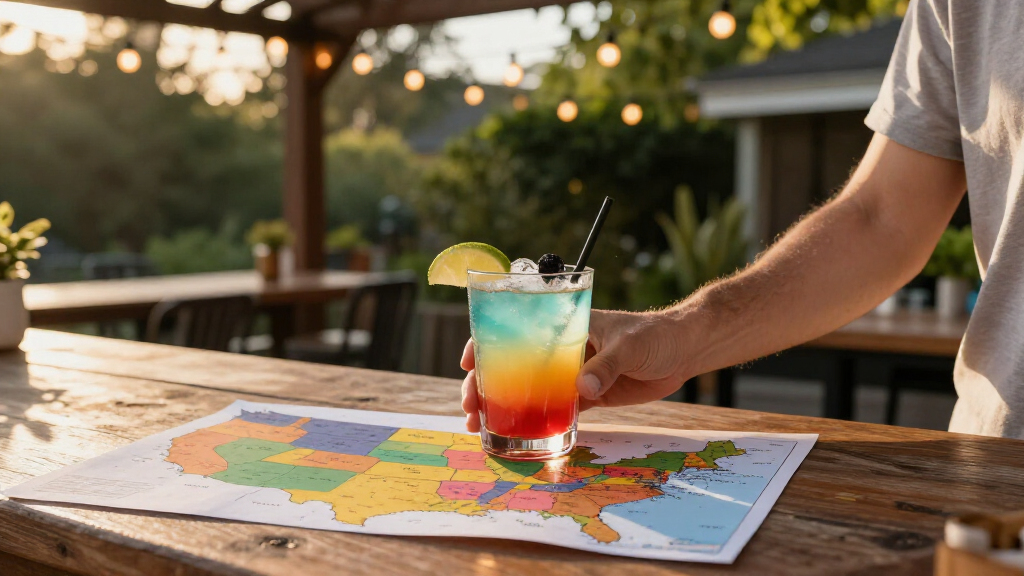
A comprehensive map now displays every cocktail named after U.S. states, reflecting a rising interest in regional-themed drinks. The trend is gaining attention online, though the origins and full scope remain unconfirmed.
A detailed map has been released, showcasing every cocktail named after a U.S. state, highlighting a rising trend in regional-themed beverage branding. The map’s creation appears to be part of a broader interest in American regional identity and mixology culture, though the origins of this compilation are not officially confirmed.
The map, which was circulated on social media and various beverage-focused platforms, visually represents dozens of cocktails with state names, such as the ‘California Margarita’ or ‘Texas Tea.’ The trend of naming drinks after states appears to have gained momentum in recent years, possibly linked to regional pride, tourism marketing, or craft cocktail movements.
According to sources familiar with beverage trends, such naming conventions are often used by bars and brands to evoke local identity and appeal to regional consumers. The map’s creator remains anonymous, and it is unclear whether this is an official industry compilation or a user-generated project. The trend is currently attracting increased online interest, with search queries for state cocktails spiking in recent weeks.
Implications for Regional Branding and Beverage Culture
This mapping trend underscores how regional identity influences beverage naming and marketing, potentially shaping consumer perceptions and tourism. It reflects a broader cultural movement where local pride is expressed through cocktails, which can enhance regional visibility and economic activity. For the beverage industry, it signals an opportunity to leverage regional themes in branding and menu development, though the authenticity and consistency of such naming practices remain to be seen.As an affiliate, we earn on qualifying purchases.
Rise of Regional-Themed Cocktails in American Drink Culture
The practice of naming cocktails after states is not new, but recent online interest suggests a surge in this trend. Historically, regional branding in beverages has been used to evoke local flavors or traditions, but the current mapping appears to be a comprehensive effort to catalog all such drinks across the country. The trend aligns with a broader movement toward craft cocktails and local sourcing, which emphasize regional identity as a marketing tool.
While the exact origins of the current mapping project are unclear, it coincides with increased social media sharing of regional cocktails and a spike in searches for state-specific drinks. The phenomenon may also be linked to marketing campaigns by local tourism boards or bars seeking to capitalize on regional pride, though official data or statements confirming this are not yet available.
Unconfirmed Origins and Scope of the Mapping Trend
It is not yet clear whether the map is an official industry project, a user-generated compilation, or part of a larger marketing campaign. The precise number of state-named cocktails and their geographic distribution remain unverified. Additionally, the reasons behind the recent surge in interest are speculative, with no official statements from beverage industry groups or regional tourism authorities confirming a coordinated effort.
Monitoring Industry Responses and Further Mapping Efforts
Industry experts and marketers will likely observe whether this trend leads to increased menu offerings or marketing campaigns centered around regional cocktails. Future updates may include official reports or expanded maps that verify the scope and origins of this phenomenon. Researchers and beverage enthusiasts will also watch for official endorsements or new data emerging from industry sources.
Key Questions
How many cocktails are named after U.S. states?
The current map visually represents dozens of state-named cocktails, though the exact total is unconfirmed and may vary depending on the source.
Why are cocktails named after states becoming popular?
Such naming often aims to evoke regional pride, attract tourists, and capitalize on local identity, fitting into broader trends of craft and regional beverages.
The origins are unclear; it appears to be a mix of both—possibly a user-generated project gaining traction online, rather than an official industry initiative.
Could this mapping influence future cocktail menus?
Yes, if the trend continues, bars and brands might increasingly adopt state-named cocktails to appeal to local pride and tourism efforts.
Are there regional differences in the types of state cocktails?
Details on regional variations are still emerging, but preliminary observations suggest some states have more cocktails named after them, possibly reflecting local ingredients or traditions.
Source: rss
NFL season / tailgating Picks
team gear
As an affiliate, we earn on qualifying purchases.