To make your restaurant team communication more visible, use strategically placed digital signage in high-traffic areas like behind the bar or near the kitchen. Incorporate screens that display daily specials, safety reminders, and updates that staff can see instantly. Consider interactive screens for quick input and issue reporting. By combining these tools, you’ll improve transparency, reduce misunderstandings, and keep everyone aligned, especially during busy hours. Keep exploring how these strategies can transform your team communication.

Get kitchen staples and gadgets delivered free with Prime
- Fast, free delivery on millions of items
- Prime Video, Amazon Music and more included
- Member-only deals all year
Key Takeaways
- Install digital signage in high-traffic areas for real-time updates and clear communication.
- Use strategically placed screens where staff frequently gather or pass by.
- Incorporate interactive displays for instant input and issue reporting.
- Display daily specials, safety reminders, and protocols visibly to keep staff informed.
- Foster a culture of transparency by encouraging regular visual updates and team notifications.
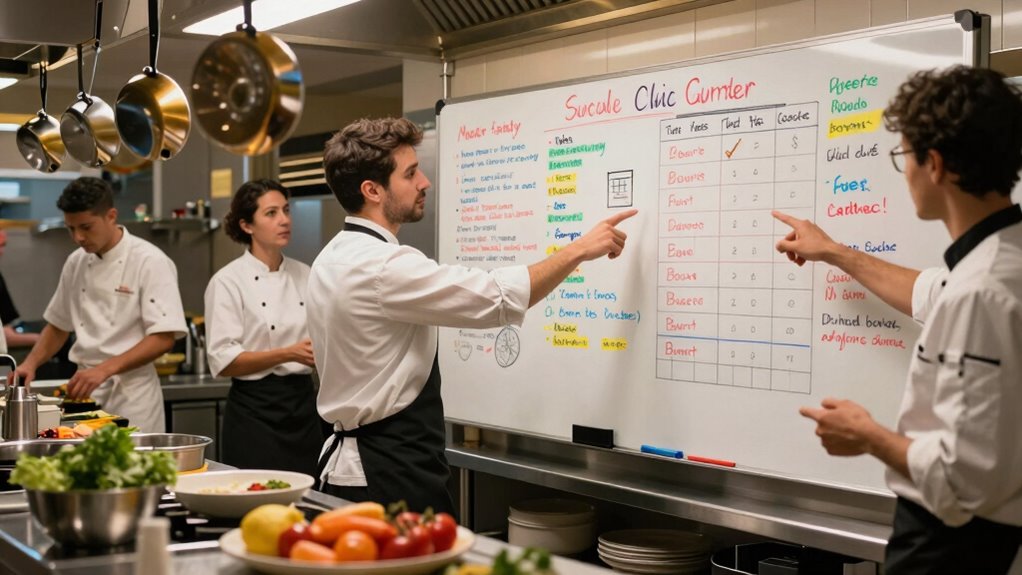
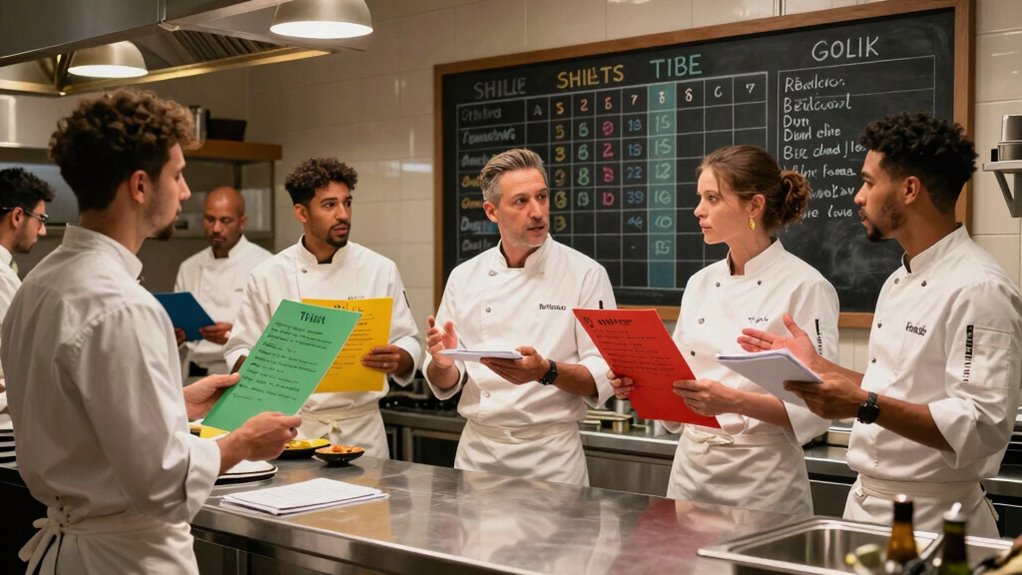
Have you ever experienced miscommunication that led to mistakes or delays in your restaurant? If so, you know how disruptive it can be to your service and overall operations. Making communication more visible is essential to keep everyone on the same page and guarantee smooth workflows. One effective way to do this is by integrating digital signage into your communication strategy. Digital signage screens placed strategically throughout your restaurant can display crucial information such as daily specials, safety reminders, or shift updates. When your team can see important messages instantly and clearly, it reduces the chances of misunderstandings.
Digital signage enhances communication clarity, reducing misunderstandings and streamlining restaurant operations.
Real-time updates are a game-changer in improving visibility. Instead of relying on printed memos or verbal instructions that can be forgotten or misunderstood, digital signage allows you to broadcast live information that updates automatically. For example, if a menu item is temporarily unavailable or if there’s a change in reservation times, your staff can see these updates immediately on screens. This prevents service errors and keeps the entire team aligned without the need for constant verbal communication. It also minimizes the risk of outdated information circulating, which can cause confusion during busy hours. Incorporating visual communication is proven to be more effective in high-pressure environments, helping staff retain information better during busy service hours.
To maximize the impact of digital signage and real-time updates, you should position screens where staff frequently gather or pass by. Common spots include behind the bar, in the kitchen, or near the host stand. When team members can glance at a screen during their shift, they stay informed about daily goals, safety protocols, or special events. This visual approach fosters a culture of transparency, where everyone feels connected and aware of what’s happening in real time. Additionally, biodiversity principles by creating an environment that promotes clear and sustainable communication can also contribute to a more harmonious workplace. Ensuring that communication methods are sustainable and environmentally friendly can further enhance your restaurant’s commitment to sustainable practices.
Furthermore, digital signage isn’t just for displaying static messages. Interactive screens or digital boards can allow team members to input updates or communicate quickly with the manager. This two-way communication streamlines operations and helps address issues promptly. For example, if a server notices a table needs extra utensils, they can quickly update the digital signage or alert the kitchen through integrated messaging, ensuring swift action.
In today’s fast-paced restaurant environment, having visible communication channels isn’t just a convenience—it’s a necessity. Digital signage combined with real-time updates creates a dynamic, transparent communication system that keeps everyone informed, reduces mistakes, and enhances efficiency. When your team can see what’s happening at a glance, it’s easier to coordinate, serve better, and ultimately deliver a more seamless dining experience. Incorporating digital signage technology can significantly improve your team’s ability to stay informed and responsive in a busy restaurant setting.
Products Worth Considering

Ninja Foodi DZ201 8-Quart DualZone 6-in-1 Air Fryer

Instant Pot Pro 8 Qt 10-in-1 Electric Pressure Cooker, Black

Le Creuset Signature 6.5-Quart Deep Round Dutch Oven with Light Gold Crucible Knob, Enameled Cast Iron, Bleu Riviera
As an affiliate, we earn on qualifying purchases.
Frequently Asked Questions
How Can Technology Improve Team Communication in Restaurants?
Technology improves team communication in restaurants by leveraging digital tools like messaging apps and real-time updates, making information instantly accessible. You can set up feedback loops through these tools, ensuring team members share input and address issues promptly. This continuous communication keeps everyone aligned, reduces misunderstandings, and boosts efficiency. By integrating digital solutions, you foster a transparent environment where team members stay informed and engaged, ultimately enhancing overall service quality.
What Are Common Barriers to Effective Communication in Restaurants?
You face colossal hurdles like language barriers and cultural differences that can turn simple chats into chaos. Misunderstandings explode like fireworks, and team synergy crumbles into confusion. When words get lost in translation or cultural nuances clash, communication becomes a maze. These barriers create a wall, making it tough to coordinate seamlessly. Overcoming these challenges requires patience, cultural awareness, and effective strategies to bridge gaps and foster clear, respectful dialogue.
How to Handle Miscommunication Among Team Members?
You handle miscommunication among team members by practicing clear messaging and active listening. When issues arise, calmly clarify your message and ask others to repeat or paraphrase to guarantee understanding. Encourage open dialogue, create a safe space for questions, and address misunderstandings immediately. This approach minimizes errors, fosters trust, and keeps everyone on the same page, ultimately improving teamwork and service quality.
What Training Methods Enhance Team Communication Skills?
Think of your team as a well-tuned orchestra; active listening and non-verbal cues are your instruments. To enhance communication skills, incorporate role-playing exercises and feedback sessions that emphasize these skills. For example, practicing scenarios where team members interpret non-verbal cues sharpens their awareness. Data shows that teams practicing active listening improve coordination by up to 30%. This approach helps your team stay in sync, ensuring smoother service and happier customers.
How Does Team Communication Impact Customer Satisfaction?
Effective team communication directly impacts customer satisfaction by ensuring consistent service and quick responses to customer needs. When your team shares clear information, they can better address customer feedback and resolve issues promptly. This consistency builds trust and enhances the dining experience. As a result, customers feel valued and are more likely to return, boosting your restaurant’s reputation and success. Good communication truly makes a difference in delivering excellent service.
Conclusion
By making your restaurant team’s communication more visible, you create a clearer, more connected environment—like a lighthouse guiding ships safely ashore. When everyone knows what’s happening and feels heard, teamwork improves, mistakes decrease, and service becomes smoother. Keep your communication channels open and visible, whether through boards, apps, or regular check-ins. With these steps, you’ll turn your team into a well-oiled machine, shining brightly even during the busiest hours.