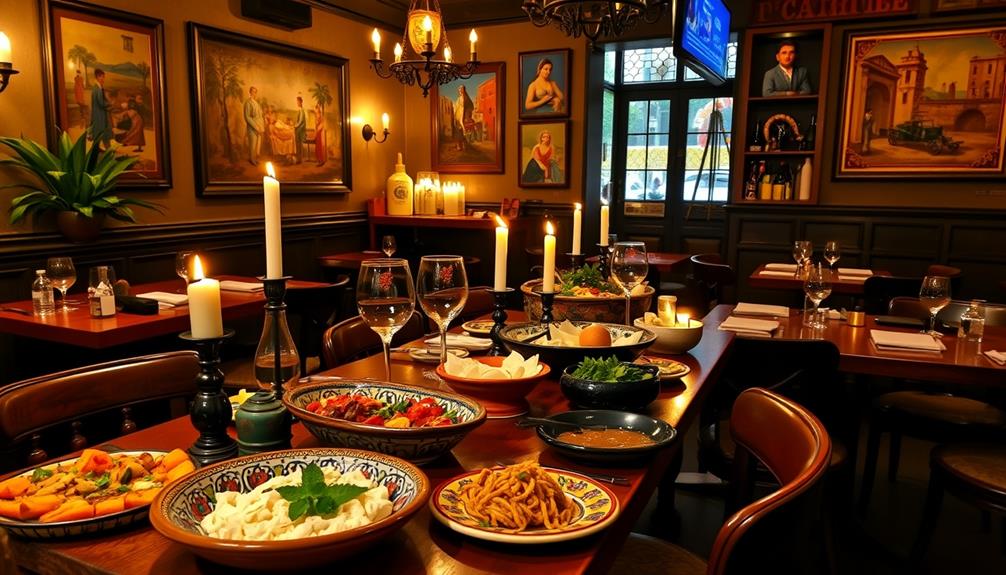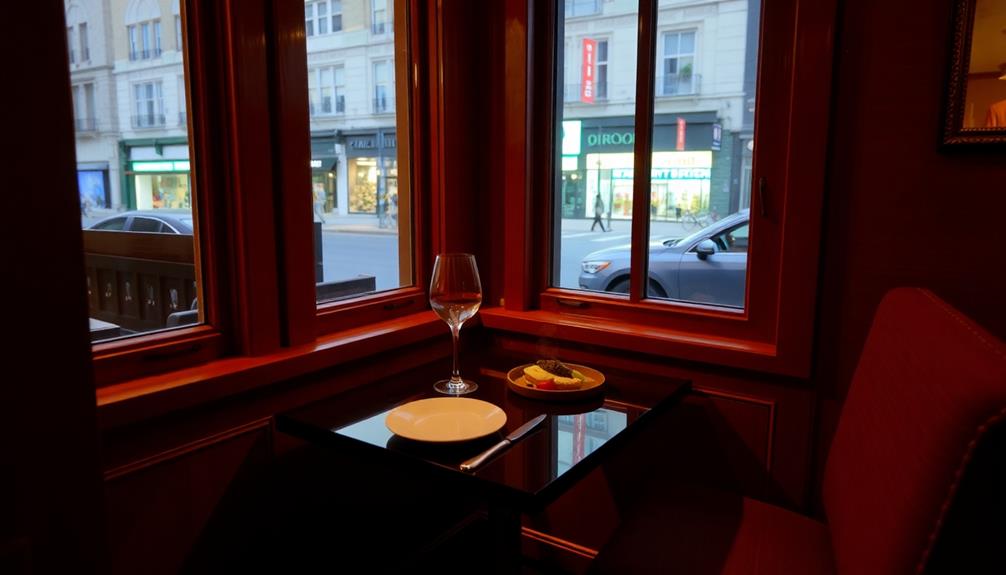

Eating alone can be a rewarding experience, but it often requires the right mindset and environment. For those seeking to boost their confidence or improve social skills, two standout options emerge. “Solo Dinner Confidence” offers practical advice specifically for introverts looking to enjoy solo dining, whether at a cozy café or upscale restaurant. Meanwhile, “Never Eat Alone” focuses on building social connections and attracting others, which can transform solo dining into a networking opportunity. Each has its strengths and tradeoffs, depending on whether you want to feel more comfortable alone or use dining as a social tool.

Get kitchen staples and gadgets delivered free with Prime
- Fast, free delivery on millions of items
- Prime Video, Amazon Music and more included
- Member-only deals all year
Key Takeaways
- “Solo Dinner Confidence” is best for introverts seeking to enjoy solo meals without social anxiety.
- “Never Eat Alone” suits those interested in using dining as a way to meet new people and build relationships.
- The confidence guide emphasizes practical tips for dining alone, while the social guide centers on connection-building.
- Both options lack detailed features but serve different emotional and social needs.
- Choosing depends on whether your goal is comfort in solitude or expanding your social circle.
| Solo Dinner Confidence: The Introvert’s Guide to Dining Out Alone |  | Best for Building Confidence and Overcoming Anxiety | Format: Digital & Print | Length: 120 pages | Target Audience: Introverts, anxious diners | VIEW ON AMAZON | See Our Full Breakdown |
| Never Eat Alone: The Absolute Guide to Attracting the Opposite Sex |  | Best for Social Connection and Networking | Format: Digital & Print | Length: 250 pages | Target Audience: Singles, social butterflies | VIEW ON AMAZON | See Our Full Breakdown |
| restaurant to eat alone | Format | Length | Target Audience | Language |
|---|---|---|---|---|
| Solo Dinner Confidence: The In | Digital & Print | 120 pages | Introverts, anxious diners | English |
| Never Eat Alone: The Absolute | Digital & Print | 250 pages | Singles, social butterflies | English |
More Details on Our Top Picks
Solo Dinner Confidence: The Introvert’s Guide to Dining Out Alone
This book stands out for providing tailored advice that helps introverts turn solo dining from a source of anxiety into an empowering experience. Compared with generic dining tips, it emphasizes mental strategies and practical steps, making it ideal for those who feel uneasy eating alone. However, it’s less useful for readers seeking to leverage dining as a social tool, as its content is focused on comfort and personal growth. The book’s straightforward approach makes it accessible for all types of solo diners who want to enjoy their meals without stress.
Pros:- Provides practical tips for dining alone
- Helps overcome dining anxiety
- Suitable for all types of dining experiences
- Accessible language and straightforward advice
Cons:- Limited appeal to those interested in socializing during meals
- No detailed features or editions for different experience levels
Best for: Introverts or anyone feeling anxious about eating alone and seeking confidence.
Not ideal for: People looking for social or dating advice, or those interested in meeting new people at restaurants.
- Format:Digital & Print
- Length:120 pages
- Target Audience:Introverts, anxious diners
- Language:English
- Publisher:Self-help/Travel
- Price:$12.99
Our verdict“A solid choice for introverts wanting to enjoy solo meals with confidence and less anxiety.”
Never Eat Alone: The Absolute Guide to Attracting the Opposite Sex
This book makes a bold shift from solo dining comfort to social engagement. It offers practical advice on how to meet, attract, and build relationships, turning meals into opportunities for social growth. Compared with the confidence-focused guide, this one is better suited for those who want to use dining as a way to expand their social circle or find potential partners. Its main limitation is the lack of detailed content description and absence of customer reviews, which makes it less transparent about how effective its strategies are. Still, for someone eager to make dining a social event, it offers valuable insights.
Pros:- Offers practical relationship and social skills
- Helps improve confidence in social settings
- Encourages turning meals into networking opportunities
- Suitable for those seeking romantic or social connections
Cons:- Lacks detailed content description and reviews
- May be less useful for those solely seeking comfort in eating alone
Best for: Individuals interested in meeting new people and making social or romantic connections through dining.
Not ideal for: Introverts who prefer solitude or those not interested in socializing at restaurants.
- Format:Digital & Print
- Length:250 pages
- Target Audience:Singles, social butterflies
- Language:English
- Publisher:Self-help/Relationships
- Price:$16.99
Our verdict“Ideal for diners who want to transform solo meals into opportunities for meeting new people.”

How We Picked
Our selection process focused on how well each product addresses the specific needs of individuals looking for restaurant options to eat alone. We prioritized practical guides and resources tailored to solo diners, favoring those that clearly differentiate between building confidence and fostering social opportunities. We looked for content that offers actionable advice, real-world applicability, and clarity about who each resource is best suited for. Since these are not traditional restaurant recommendations but rather guides related to solo dining, we evaluated their usefulness based on the depth of advice, relevance to different personality types, and overall practicality.
| restaurant to eat alone | Target Audience | Publisher | Price |
|---|---|---|---|
| Solo Dinner Confidence: The In | Introverts, anxious diners | Self-help/Travel | $12.99 |
| Never Eat Alone: The Absolute | Singles, social butterflies | Self-help/Relationships | $16.99 |
Factors to Consider When Choosing Restaurant To Eat Alone
Choosing the right resource for solo dining depends on your primary goal: whether it’s feeling more comfortable eating alone or leveraging meals to enhance your social life. Understanding your motivation will guide you toward the best fit. Consider whether you prefer practical mental strategies or social skills, and whether you want a focus on confidence or connection.Identify Your Goal
If your main concern is overcoming anxiety and enjoying solo meals, a confidence-building guide like “Solo Dinner Confidence” is most effective. Conversely, if you see dining as an opportunity to meet new people or find romantic interests, “Never Eat Alone” offers strategies to make that happen. Clarifying your goal helps narrow down the best resource for your needs.
Consider Content Focus
Look for guides that emphasize practical tips and mental strategies if comfort and independence are your priorities. If social skills and relationship-building are more appealing, seek resources with actionable advice on meeting and attracting others. Each approach addresses different emotional states and expectations at the restaurant.
Assess Format and Accessibility
Decide whether you prefer a quick-read guide, a detailed book, or an online resource. Both options here are available in digital and print formats, which can suit different learning styles. The choice depends on how much time and effort you’re willing to invest in improving your solo dining experience.
Frequently Asked Questions
Is eating alone at a restaurant awkward?
For many, eating alone initially feels awkward, but with the right mindset and tips, it can become a pleasant and even empowering experience. The key is to focus on enjoying your meal, engaging in simple activities like reading or people-watching, and shifting your perspective from loneliness to independence. Resources like “Solo Dinner Confidence” provide practical advice to ease this transition.
Can these books help me meet new people at restaurants?
Yes, especially “Never Eat Alone”. It offers strategies for social interaction that can turn dining into a networking or dating opportunity. While “Solo Dinner Confidence” centers on personal comfort, it doesn’t focus on socializing, so your choice depends on your goal—whether seeking connection or just enjoying solitude.
Are these resources suitable for all kinds of dining experiences?
Both books aim to be versatile. “Solo Dinner Confidence” covers everything from casual coffee shops to fine dining, making it useful regardless of setting. “Never Eat Alone” offers advice that can be applied in various social contexts, but its primary focus is on making meaningful connections, which may be more relevant at lively or social venues.
Will these books improve my confidence in dining alone?
Absolutely. “Solo Dinner Confidence” is specifically designed to help reduce anxiety and build independence in solo dining. It provides step-by-step tips and mental exercises. Meanwhile, “Never Eat Alone” can boost your confidence in social scenarios, making it easier to approach others and start conversations at restaurants.
Are these resources expensive?
Both books are reasonably priced, with “Solo Dinner Confidence” costing around $12.99 and “Never Eat Alone” at $16.99. They are accessible investments for anyone interested in improving their solo dining experience or social skills. Digital formats are often available at lower prices, making them more budget-friendly.
Conclusion
If your main goal is to feel more comfortable and confident eating alone, “Solo Dinner Confidence” is the clear choice, especially for introverts or those new to solo dining. However, if you’re eager to turn your meals into opportunities for social interaction and meeting new people, “Never Eat Alone” offers valuable strategies. Ultimately, your decision should align with whether you seek personal independence or social expansion during your restaurant visits.
Halloween Picks
halloween
As an affiliate, we earn on qualifying purchases.