When searching for restaurant websites, the goal is to find a platform that blends appealing design with strong functionality. The best overall pick, Restaurant Website Design & Marketing, offers a balanced mix of aesthetics and marketing tools, ideal for most restaurant owners. SEO for Restaurants & Cafes stands out for its focus on search visibility, while Restaurant Website Optimization specializes in converting visitors into reservations. As options vary widely in complexity and cost, understanding the tradeoffs between customization, ease of use, and marketing features is key. Keep reading for a detailed breakdown of these top choices and which one fits your needs best.

Get kitchen staples and gadgets delivered free with Prime
- Fast, free delivery on millions of items
- Prime Video, Amazon Music and more included
- Member-only deals all year
Key Takeaways
- The top picks balance visual appeal with marketing and SEO capabilities to attract and retain customers.
- Ease of use varies; platforms designed for beginners often lack advanced customization but improve setup speed.
- Most high-performing sites include integrated reservation and menu management features, but some require additional plugins.
- Tradeoffs between customization and simplicity are common; more flexible designs often need technical know-how.
- Pricing ranges significantly, with premium options offering more features but at a higher cost, while DIY solutions focus on affordability.
| Restaurant Website Design & Marketing |  | Best for Custom Branding and Marketing Strategy | Service Type: Custom website design and marketing | Target Audience: Established restaurants seeking branding | Price Range: Not specified | VIEW ON AMAZON | See Our Full Breakdown |
| SEO for Restaurants & Cafes: Search Engine Optimization for Restaurant and Cafe Websites |  | Best for Boosting Search Visibility | Format: Book | Focus: SEO strategies for restaurant websites | Target Audience: Web developers and restaurant owners | VIEW ON AMAZON | See Our Full Breakdown |
| Restaurant Website Optimization: How to Design a High-Converting Restaurant Website That Increases Reservations and Sales | 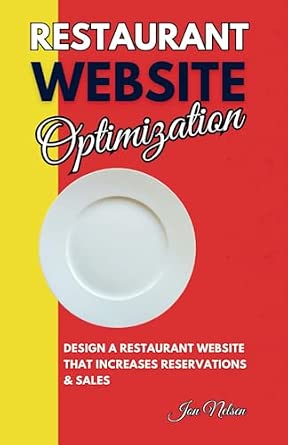 | Best for Conversion-Focused Design | Format: Book | Focus: Website conversion and sales | Target Audience: Restaurant owners and marketers | VIEW ON AMAZON | See Our Full Breakdown |
| WordPress and Genesis DIY Restaurant Website 2 |  | Best for Beginners and DIY Enthusiasts | Platform: WordPress with Genesis Framework | Skill Level: Beginner to intermediate | Customization: Yes | VIEW ON AMAZON | See Our Full Breakdown |
| The Restaurant Rebellion: Digital Marketing for Independent Restaurants |  | Best for Independent Restaurants Focused on Marketing | Format: Book | Focus: Digital marketing for small restaurants | Target Audience: Independent restaurant owners | VIEW ON AMAZON | See Our Full Breakdown |
| WordPress and Genesis DIY Restaurant Website |  | Best for Beginners Creating a Custom Restaurant Site | Platform: WordPress | Framework: Genesis | Difficulty: Beginner-friendly | VIEW ON AMAZON | See Our Full Breakdown |
| From Kitchen to Customer: Mastering the Restaurant Marketing Mindset |  | Best for Restaurant Owners Focused on Marketing and Customer Engagement | Focus: Restaurant marketing and branding | Techniques Covered: Customer engagement, branding strategies | Target Audience: Owners and managers | VIEW ON AMAZON | See Our Full Breakdown |
| restaurant website | Target Audience | Format | Focus |
|---|---|---|---|
| Restaurant Website Design & Ma | Established restaurants seeking branding | — | — |
| SEO for Restaurants & Cafes: S | Web developers and restaurant owners | Book | SEO strategies for restaurant websites |
| Restaurant Website Optimizatio | Restaurant owners and marketers | Book | Website conversion and sales |
| WordPress and Genesis DIY Rest | — | — | — |
| The Restaurant Rebellion: Digi | Independent restaurant owners | Book | Digital marketing for small restaurants |
| WordPress and Genesis DIY Rest | — | — | — |
| From Kitchen to Customer: Mast | Owners and managers | Book | Restaurant marketing and branding |
More Details on Our Top Picks
Restaurant Website Design & Marketing
This service stands out for delivering tailored website design combined with strategic marketing efforts aimed at restaurant growth. Compared with DIY options like the WordPress-based guides, this solution offers a more personalized approach, which is ideal for restaurants seeking a distinctive online identity. However, the lack of detailed feature specs and absence of customer reviews make it harder to gauge its suitability without direct consultation. Its strength lies in crafting a unique brand image and implementing marketing plans, but it may be less appealing to owners who want a quick, budget-friendly online setup.
Pros:- Customized website design tailored for restaurants
- Effective marketing strategies to increase visibility
- Focus on branding and customer attraction
Cons:- No detailed specifications or features provided
- Price and customer ratings are unavailable
- Requires ongoing collaboration with the service provider
Best for: Restaurants wanting a fully customized website and marketing plan, especially those willing to invest in professional branding
Not ideal for: Small eateries with tight budgets or owners preferring a DIY approach without professional help
- Service Type:Custom website design and marketing
- Target Audience:Established restaurants seeking branding
- Price Range:Not specified
Our verdict“This option is ideal for established restaurants seeking a personalized online presence with strategic marketing support.”
SEO for Restaurants & Cafes: Search Engine Optimization for Restaurant and Cafe Websites
Compared with comprehensive design solutions like the WordPress guide, this book zeroes in on improving search engine rankings through targeted SEO strategies. It’s especially useful for restaurant owners and web developers aiming to enhance organic traffic without heavy advertising costs. While it offers practical, actionable tips, it lacks detailed specifications and has no available customer reviews, making it less suitable for those who want a full implementation plan. This resource shines when coupled with a solid website but won’t replace hands-on design or marketing services.
Pros:- Focuses on SEO strategies specific to restaurants and cafes
- Provides actionable tips to improve online visibility
- Designed for web developers and technically inclined owners
Cons:- No detailed specifications or features listed
- No customer reviews or ratings available
- Requires existing website or technical skills for best results
Best for: Web-savvy restaurant owners or developers wanting to improve SEO and organic reach
Not ideal for: Owners seeking a ready-made website or those unfamiliar with digital marketing fundamentals
- Format:Book
- Focus:SEO strategies for restaurant websites
- Target Audience:Web developers and restaurant owners
Our verdict“This book is a practical resource for improving search rankings but needs to be paired with an existing or planned website.”
Restaurant Website Optimization: How to Design a High-Converting Restaurant Website That Increases Reservations and Sales
Unlike the SEO-focused book, this guide emphasizes optimizing website design specifically to increase reservations and sales. It’s well-suited for restaurant owners who want to turn their online presence into a direct revenue driver, but it may fall short if you’re seeking a comprehensive marketing strategy beyond design. The lack of detailed technical specs and reviews means it’s more of a marketing advice book than a technical manual. For those already with a website or planning to hire a developer, this provides targeted strategies to boost conversions effectively.
Pros:- Provides actionable website design strategies
- Focuses on increasing reservations and sales
- Useful for restaurant marketers and owners
Cons:- No detailed specifications or technical details
- Lacks customer reviews or ratings
- Content may be limited to marketing advice rather than technical development
Best for: Restaurant owners focusing on increasing reservations and direct sales through website improvements
Not ideal for: Restaurants seeking extensive digital marketing or technical website setup guidance
- Format:Book
- Focus:Website conversion and sales
- Target Audience:Restaurant owners and marketers
Our verdict“This book is ideal for restaurants aiming to convert website visitors into paying customers through optimized design.”
WordPress and Genesis DIY Restaurant Website 2
This guide makes building a professional restaurant website accessible for both novices and experienced WordPress users. Unlike the more abstract marketing or SEO books, this provides concrete, step-by-step instructions, making it ideal for small restaurant owners wanting control over their online presence. However, its lack of troubleshooting tips and assumption of some basic WordPress knowledge can frustrate complete beginners or those unfamiliar with website building. It’s a practical choice for hands-on owners who prefer to manage their site independently but expect some technical learning curve.
Pros:- User-friendly for beginners
- Includes step-by-step instructions
- Customizable design options
Cons:- Lacks detailed troubleshooting tips
- Assumes some familiarity with WordPress
- Limited guidance on advanced customization
Best for: Small restaurant owners with basic WordPress skills wanting to build and customize their website
Not ideal for: Owners seeking a fully managed or highly customized professional website without DIY effort
- Platform:WordPress with Genesis Framework
- Skill Level:Beginner to intermediate
- Customization:Yes
Our verdict“This guide suits DIY-minded restaurant owners comfortable with WordPress, looking for a straightforward build process.”
The Restaurant Rebellion: Digital Marketing for Independent Restaurants
Unlike the technical focus of SEO or website optimization books, this one emphasizes marketing strategies tailored for small, independent restaurants. It offers practical advice on social media, online promotion, and customer engagement, making it especially valuable for owners who want to grow their presence without extensive digital marketing budgets. However, it lacks detailed case studies and may not include the latest digital marketing trends, which could limit its effectiveness for those seeking cutting-edge tactics. Nonetheless, it provides a solid foundation for grassroots marketing efforts.
Pros:- Provides tailored digital marketing strategies
- Practical tips for online promotion and social media
- Focuses on small, independent restaurants
Cons:- Lacks detailed case studies
- May not cover the latest digital trends
- Limited in-depth analytics guidance
Best for: Independent restaurant owners seeking practical, accessible marketing strategies
Not ideal for: Restaurants already investing heavily in digital marketing or those looking for advanced analytics
- Format:Book
- Focus:Digital marketing for small restaurants
- Target Audience:Independent restaurant owners
Our verdict“This book is ideal for small, independent restaurants aiming to boost their online presence with accessible marketing tactics.”
WordPress and Genesis DIY Restaurant Website
This DIY guide stands out for its focus on helping restaurant owners with no coding background build a professional website using WordPress and Genesis. Compared with more advanced options like the full-service Restaurant Website Design & Marketing, this product offers approachable, step-by-step instructions that demystify the process. While it excels in user-friendliness and customization, its lack of detailed specifications or comprehensive feature lists means users might need additional resources for advanced functionalities. This guide is ideal for small restaurant owners eager to craft a tailored website without hiring developers. However, those seeking a turnkey solution or detailed technical features should look elsewhere. Pros include its simplicity for beginners, detailed walkthroughs, and flexible design options. Cons involve limited technical info, a reliance on basic WordPress knowledge, and no included feature overview. Overall, this product makes the most sense for restaurant owners comfortable with some DIY effort but seeking clear guidance to launch their site.
Pros:- User-friendly for beginners with no coding skills
- Comprehensive, easy-to-follow step-by-step instructions
- Offers customizable design options to match brand identity
Cons:- Lacks detailed specifications or technical feature breakdowns
- Requires some basic familiarity with WordPress to implement effectively
- Limited information on included features or plugins
Best for: Small restaurant owners or entrepreneurs with minimal web development experience who want control over their website design.
Not ideal for: Restaurants needing a fully featured, ready-to-launch website with extensive built-in functionalities or professional design services.
- Platform:WordPress
- Framework:Genesis
- Difficulty:Beginner-friendly
- Customization:High
- Content Type:Text, Images, Basic Plugins
- Includes:Step-by-step guide
Our verdict“This guide is best suited for restaurant owners willing to invest time in DIY website building who want a personalized, professional-looking site without technical complexity.”
From Kitchen to Customer: Mastering the Restaurant Marketing Mindset
This book offers valuable insights into restaurant marketing strategies, making it a strong complement to website-focused tools like the Restaurant Website Design & Marketing package. It emphasizes practical techniques for building a strong brand presence and attracting repeat customers, which many website solutions overlook. While its strategic advice is useful, the lack of specific examples or case studies limits immediate application for some readers. This resource is particularly well-suited for restaurant owners and managers looking to enhance their marketing skills beyond just website design. It may be less ideal for those seeking technical web development guidance or digital tools. Pros include actionable marketing tactics, a focus on customer retention, and practical branding tips. Cons involve the absence of detailed content or case studies, which could make implementation less straightforward. Overall, this book is best for restaurateurs aiming to deepen their understanding of marketing to support their online presence and customer engagement efforts.
Pros:- Provides practical, actionable marketing strategies
- Helps build stronger customer engagement and loyalty
- Suitable for restaurant owners and managers looking to enhance branding
Cons:- Lacks detailed content or real-world case studies
- No specific examples to illustrate strategies
- Does not cover technical aspects of website development
Best for: Restaurant owners and managers who want to improve their marketing approach and customer loyalty strategies.
Not ideal for: Owners seeking technical guidance on website creation or optimization, as this book focuses on marketing mindset rather than web development.
- Focus:Restaurant marketing and branding
- Techniques Covered:Customer engagement, branding strategies
- Target Audience:Owners and managers
- Approach:Practical, strategy-oriented
- Content Type:Insights, tips, strategies
- Format:Book
Our verdict“This book is ideal for restaurant professionals eager to strengthen their marketing skills and foster customer relationships, complementing technical website efforts.”

How We Picked
This lineup was assembled based on how well each platform balances ease of use, design flexibility, SEO features, and marketing tools. We prioritized solutions that cater to both small independent restaurants and larger operations, considering the value they deliver relative to their cost. The ranking reflects a combination of user-friendliness, customization options, integration capabilities, and overall reputation within the restaurant industry. We also evaluated the level of ongoing support and updates, ensuring that each option remains relevant and effective in 2026.| restaurant website | Target Audience | Focus |
|---|---|---|
| Restaurant Website Design & Ma | Established restaurants seeking branding | — |
| SEO for Restaurants & Cafes: S | Web developers and restaurant owners | SEO strategies for restaurant websites |
| Restaurant Website Optimizatio | Restaurant owners and marketers | Website conversion and sales |
| WordPress and Genesis DIY Rest | — | — |
| The Restaurant Rebellion: Digi | Independent restaurant owners | Digital marketing for small restaurants |
| WordPress and Genesis DIY Rest | — | — |
| From Kitchen to Customer: Mast | Owners and managers | Restaurant marketing and branding |
Factors to Consider When Choosing Restaurant Websites
Choosing the right restaurant website involves more than just picking a visually appealing template. You need a platform that aligns with your operational needs, marketing goals, and technical comfort level. A well-chosen website can boost reservations, improve online visibility, and streamline customer interactions. Here are key factors to consider when selecting your site:Ease of Use
For many restaurant owners, a user-friendly interface is paramount. Platforms that offer drag-and-drop builders or intuitive dashboards reduce setup time and ongoing management effort. However, overly simplified systems might limit customization, so consider your technical comfort and future needs before choosing a solution.
Design Flexibility and Customization
Visual appeal matters in attracting new customers, but the ability to tailor your website to match your branding is equally important. More flexible platforms allow custom layouts and integrations, but they often require some technical skills or additional support, which can increase costs.
Built-in Marketing and SEO Features
To stand out locally, your website must be optimized for search engines and include marketing tools like email capture, social media integration, and online reservation systems. Platforms with these features built-in reduce the need for third-party plugins and simplify maintenance.
Cost and Value
Pricing varies widely—from free DIY templates to premium solutions with dedicated support. Consider not only the initial investment but also ongoing costs for upgrades, plugins, or support. Sometimes paying more upfront results in a more scalable, future-proof website.
Support and Updates
Reliable customer support and regular updates keep your website secure and functional. Look for options with active user communities or responsive customer service, especially if you lack technical expertise.
Mobile Responsiveness and Speed
Most visitors will access your site via mobile devices, so a responsive design that adapts seamlessly to various screen sizes is essential. Additionally, fast-loading pages improve user experience and SEO rankings, so choose platforms optimized for speed.
Frequently Asked Questions
Do I need technical skills to set up a restaurant website?
While some platforms offer drag-and-drop builders that require little to no coding, more customizable options may need basic technical knowledge or support. If you lack technical skills, opting for a user-friendly, all-in-one solution can save time and frustration, but it might limit design flexibility. Conversely, DIY options with more control often come with a learning curve but can be tailored more precisely to your needs.
Should I prioritize SEO features over design options?
Both are important, but for long-term visibility, SEO capabilities often provide more value by helping your restaurant appear in local searches. A visually stunning website without proper SEO may struggle to attract new customers. Ideally, choose a platform that offers strong SEO tools alongside attractive design templates to balance aesthetics with discoverability.
Are integrated reservation systems necessary for a restaurant website?
Yes, especially for restaurants that rely heavily on online reservations. An integrated booking system simplifies the process for customers and reduces manual management for staff. However, if your restaurant doesn’t take reservations online, this feature might be less critical, allowing you to focus on other aspects like menu display or marketing integrations.
What is the best approach for a small independent restaurant with a tight budget?
For budget-conscious owners, DIY website builders or free templates can be a good starting point. These options often require minimal investment and are quick to set up. Keep in mind, though, that they may lack advanced features or professional support, so plan for potential upgrades as your business grows or needs change.
How often should I update my restaurant website?
Regular updates are essential to keep your content fresh, such as seasonal menus, upcoming events, or special offers. Additionally, technical updates ensure security and compatibility with new devices or browsers. Aim to review and refresh your website at least quarterly, or more frequently if your menu or promotions change often.
Conclusion
For most restaurant owners seeking a balance between ease of use and powerful features, Restaurant Website Design & Marketing offers a solid overall solution. If your priority is visibility and search ranking, consider SEO for Restaurants & Cafes. Beginners or small operations should lean toward intuitive, all-in-one platforms, while larger or more tech-savvy restaurants might benefit from more customizable options like WordPress and Genesis DIY Websites. For those focused on aggressive marketing and independent branding, The Restaurant Rebellion provides targeted digital strategies. Ultimately, your choice depends on your technical comfort, budget, and growth plans—use this guide to match your needs with the right platform.
As an affiliate, we earn on qualifying purchases.Halloween Picks
halloween