Smart restaurants handle early arrivals by keeping organized with digital waitlists and clear communication. They prepare tables in advance and designate flexible seating areas to accommodate guests without causing chaos. Staff is scheduled strategically and trained to multitask, ensuring a smooth flow. They inform guests their tables will be ready soon, preventing frustration. If you want to discover the full approach, you’ll find tips that can help create a welcoming and efficient environment.

Get kitchen staples and gadgets delivered free — and shop member deals
- Fast, free delivery on millions of items
- Access to Prime Big Deal Days deals on October 6–7
- Prime Video, Amazon Music and more included
Key Takeaways
- Utilize digital waitlist systems to track and update early arrivals in real-time.
- Prepare tables in advance and designate flexible seating areas for early guests.
- Align staff schedules with expected busy periods to manage early arrivals efficiently.
- Communicate proactively with guests about their table readiness and wait times.
- Use predictive analytics and data review to anticipate early arrivals and plan accordingly.
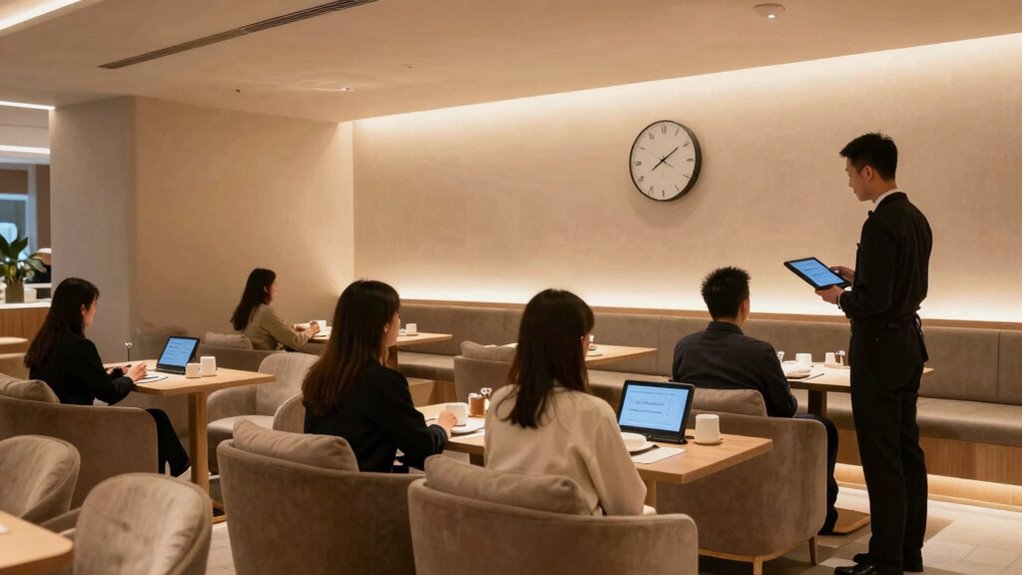
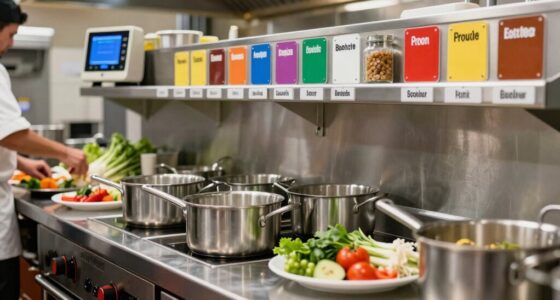
When guests arrive early, smart restaurants turn the situation into an opportunity rather than a challenge. Instead of rushing to seat them immediately, you can leverage good table management to ensure a smooth flow. Have a clear, organized system for tracking which tables are available and which ones are occupied, so you can quickly identify the best spots for early arrivals. This prevents chaos and keeps waiting times minimal. Efficient table management also means you can seat guests promptly without overloading certain sections, maintaining a comfortable dining atmosphere for everyone. Utilizing digital waitlist systems can further streamline this process, providing real-time updates on table availability. Additionally, understanding table turnover rates helps in planning and optimizing seating arrangements for unpredictable early arrivals. Regularly reviewing your guest flow patterns can also help anticipate peak times and better prepare for early arrivals. Incorporating predictive analytics can enhance your ability to forecast and manage these fluctuations more effectively.
Smart restaurants use organized table management to seat early guests smoothly and keep the dining experience comfortable for all.
Staff scheduling plays a crucial role in handling early arrivals smoothly. By aligning your staff shifts with predictable busy periods, you ensure enough team members are available to greet, seat, and serve guests without delay. When guests show up early, having the right number of staff on hand allows you to manage their needs promptly. Cross-training your team can also be beneficial—when a host is busy seating guests, servers can handle table clean-up or assist in the front of house. This flexibility minimizes bottlenecks and keeps operations flowing seamlessly.
Being proactive with communication is equally important. When your staff is well-scheduled and aware of the possibility of early arrivals, they can prepare in advance. For example, a host can inform guests that their table will be ready shortly, or staff can prepare tables ahead of time for anticipated early arrivals. This approach reduces guest frustration and creates a positive first impression. Additionally, using technology such as digital waitlist systems or reservation apps can provide real-time updates on table availability, allowing you to adapt quickly to early arrivals without disrupting the overall flow. Establishing clear communication channels with your team ensures everyone remains informed and responsive to unexpected changes.
It’s also wise to have a backup plan in case of a sudden influx of early guests. For instance, designating certain tables for walk-ins or flexible seating areas can help accommodate early arrivals without disturbing the scheduled reservations. This flexibility prevents overcrowding and ensures that everyone, whether early or on time, receives attentive service.
In essence, managing early arrivals effectively depends on your ability to coordinate table management and staff scheduling. When these elements are well-aligned, you turn potential chaos into a smooth, welcoming experience. Guests appreciate a restaurant that can handle unexpected early arrivals professionally and efficiently, which encourages repeat visits and positive reviews. By staying organized and prepared, you ensure every part of your operation works harmoniously, even when early guests walk through the door.
digital waitlist system for restaurants
As an affiliate, we earn on qualifying purchases.
As an affiliate, we earn on qualifying purchases.
Frequently Asked Questions
Do Early Arrivals Get Priority Seating Over Reservations?
Early arrivals don’t automatically get priority seating over reservations. Smart restaurants use reservation flexibility and guest prioritization to manage this. They often check incoming guests against reservations and seat walk-ins when tables become available, minimizing chaos. If you arrive early, staff might ask you to wait or enjoy a drink. This way, reservations stay respected, and walk-ins are accommodated smoothly, ensuring a seamless experience for everyone.
How Do Staff Manage Sudden Influxes of Early Guests?
When sudden influxes of early guests occur, you rely on staff training to quickly adapt. Staff manage the crowd by controlling ambiance, adjusting lighting or music to keep the atmosphere welcoming. They efficiently seat guests by prioritizing reservations but also accommodating walk-ins without chaos. Good training guarantees your team remains calm, organized, and responsive, so early arrivals feel valued without disrupting the flow for later diners.
Are There Specific Policies for Early Arrivals During Busy Hours?
Nearly 60% of guests arrive early during busy hours. You should implement policies like flexible seating and waitlist management to guarantee guest comfort and avoid chaos. By proactively offering drinks or appetizers, you keep early guests engaged while waiting. Clear communication about seating expectations helps manage early arrivals smoothly, making your restaurant more welcoming and efficient without sacrificing service quality during peak times.
How Do Smart Restaurants Communicate Wait Times to Early Guests?
Smart restaurants use digital displays and mobile apps to communicate wait times to early guests, offering real-time updates. You might also receive notifications through loyalty programs, which keep you informed and engaged. While waiting, you can explore menu customization options or earn rewards, making the experience smoother. This approach reduces chaos, keeps you informed, and enhances your overall dining experience, even if you arrive before your reservation time.
Can Early Guests Modify Their Reservation Times Easily?
You can often modify your reservation times easily at smart restaurants thanks to flexible reservation systems. These platforms prioritize guest communication, allowing you to adjust your booking through a mobile app or website seamlessly. Many restaurants encourage early guests to update their reservation details in advance, ensuring smooth scheduling and reducing wait times. With these innovations, your dining experience remains stress-free, even if your plans change unexpectedly.
Conclusion
By embracing smart strategies, you turn early arrivals from chaos into charm. With seamless check-ins, flexible seating, and real-time updates, you create an experience where patience is rewarded and disruptions fade away. Like a well-orchestrated symphony, your restaurant flows effortlessly, transforming potential chaos into harmony. When you handle early arrivals with finesse, you don’t just manage time—you master it. And in that mastery, your guests find comfort, and your restaurant finds its rhythm.
NFL season / tailgating Picks
team gear
As an affiliate, we earn on qualifying purchases.