
TL;DR

Get kitchen staples and gadgets delivered free with Prime
- Fast, free delivery on millions of items
- Prime Video, Amazon Music and more included
- Member-only deals all year
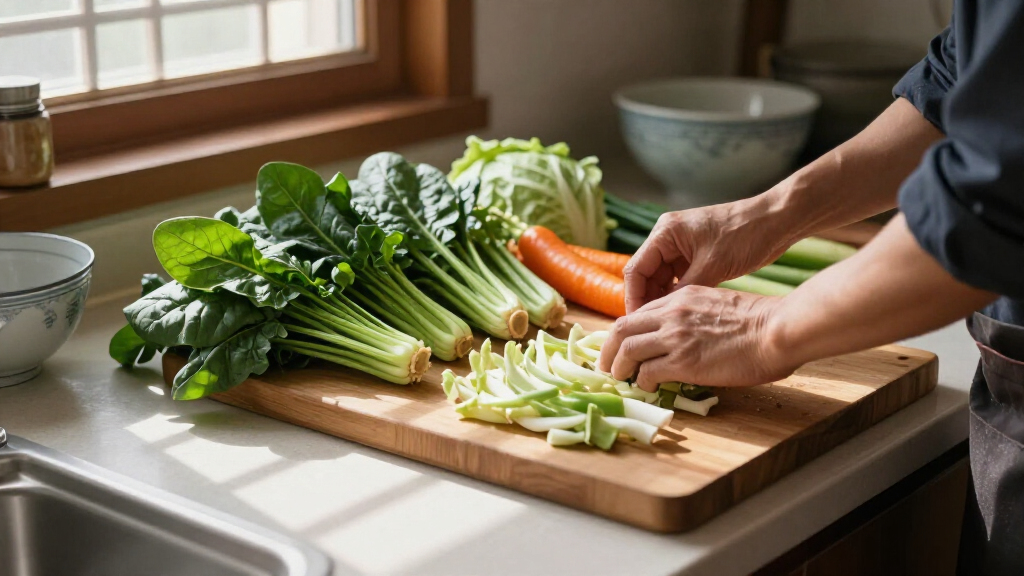
Vegetable prices for Chuseok rituals have surged significantly, with spinach increasing by 68% and cabbage by 37%. The total cost of ancestral rites tables now averages 300,000 won at markets and 400,000 won at supermarkets, highlighting rising food expenses ahead of the holiday.
Prices of key vegetables used in Chuseok ancestral rites have risen sharply, with spinach up 68% and cabbage up 37%, leading to an estimated total table cost of 300,000 won at local markets and 400,000 won at supermarkets, according to recent reports.
Market data indicates that the cost of vegetables essential for Chuseok rituals has increased markedly in recent weeks. Spinach prices have surged by approximately 68%, while cabbage prices have risen by 37%, reflecting broader inflationary pressures and supply chain disruptions. These price hikes have pushed the total expense of preparing traditional ancestral rites tables to around 300,000 won at local markets and approximately 400,000 won at large retail supermarkets, as reported by Seoul-based sources.
Experts attribute the price increases to a combination of factors, including poor weather conditions affecting crop yields, rising transportation costs, and increased demand during the holiday season. The spike in vegetable prices is causing concern among consumers and vendors, who anticipate further inflationary trends as Chuseok approaches.
Impact of Vegetable Price Surge on Chuseok Celebrations
The rising costs of vegetables used in Chuseok ancestral rites could significantly impact household budgets, especially for families preparing traditional tables. The increase in vegetable prices reflects broader inflationary pressures in the food sector, which may influence consumer spending during the holiday season. Additionally, higher costs could lead to adjustments in traditional menus or substitutions, potentially affecting cultural practices associated with Chuseok.
For vendors, the price surge presents both challenges and opportunities—while higher prices may reduce demand, they also reflect increased costs of procurement. Policymakers and market regulators may face calls to address inflation and stabilize food prices to ensure that cultural traditions remain accessible to all socioeconomic groups.
vegetable storage containers for spinach and cabbage
As an affiliate, we earn on qualifying purchases.
As an affiliate, we earn on qualifying purchases.
Recent Trends in Vegetable Prices and Chuseok Food Costs
Over the past few months, vegetable prices across South Korea have shown a steady upward trajectory, driven by adverse weather conditions such as droughts and unseasonal rains affecting crop yields. The current surge in spinach and cabbage prices is part of a broader trend of rising food costs, which has garnered media attention and consumer concern. Historically, vegetable prices tend to spike before major holidays like Chuseok, but the current increases are notably sharper than in previous years, prompting discussions about inflation and supply chain resilience.
Market data from Seoul indicates that the average cost of a traditional Chuseok ancestral rites table has increased by roughly 20% compared to last year, with vegetables accounting for a significant portion of the overall expense. The trend appears to be driven by both domestic supply issues and global inflationary pressures affecting food imports and transportation.
Unconfirmed Factors Behind the Price Surge
While supply chain disruptions and weather conditions are cited as primary causes, the exact extent of their impact remains unverified. It is also unclear whether government interventions or market adjustments will stabilize prices before Chuseok. Further data is needed to confirm the duration and full scope of the price increases.
Monitoring Price Trends and Policy Responses
Market analysts and consumers will closely watch vegetable prices in the coming weeks. Policymakers may consider measures to stabilize food costs if inflation persists, and vendors might adjust their offerings or pricing strategies. The upcoming Chuseok holiday will serve as a key period to assess whether prices stabilize or continue to rise, influencing household budgeting and traditional practices.
Key Questions
Why are vegetable prices rising ahead of Chuseok?
Prices are increasing due to weather-related crop damage, supply chain disruptions, and higher transportation costs, which have been amplified by increased demand during the holiday season.
How much has the cost of a traditional Chuseok table increased?
According to recent reports, the total cost has risen to about 300,000 won at markets and 400,000 won at supermarkets, up approximately 20% from last year.
Will the price increases affect traditional Chuseok practices?
Potentially, yes. Higher costs may lead families to modify menus, reduce quantities, or seek cheaper ingredients, which could impact cultural customs associated with ancestral rites.
Are government measures expected to curb these price hikes?
It is not yet clear whether authorities will intervene; further monitoring is needed to determine if policies will be enacted to stabilize food prices before Chuseok.
Source: local
NFL season / tailgating Picks
team gear
As an affiliate, we earn on qualifying purchases.