Utilization in restaurants focuses on how well you use resources like space, staff, and equipment to maximize capacity during peak times. Productivity measures how efficiently your team converts inputs, such as labor and tools, into outputs like fast service and customer satisfaction. Balancing both is key to smooth operations and growth. If you want to understand how to optimize both for better results, keep exploring the details behind these concepts.
Key Takeaways
- Utilization measures how effectively resources like space and staff are used, while productivity assesses output efficiency, such as meals served or customer satisfaction.
- High utilization ensures optimal resource use during peak times, whereas high productivity focuses on converting inputs into quality outputs efficiently.
- Balancing utilization prevents underuse or overload of resources, while balancing productivity avoids inefficiencies or staff burnout.
- Utilization involves resource management and capacity planning; productivity emphasizes process improvement and staff performance.
- Both concepts aim to enhance overall restaurant operations but focus on different aspects of efficiency and resource management.

Maximizing utilization and productivity is essential for running a successful restaurant. These two concepts often overlap but serve different purposes in your daily operations. Utilization mainly refers to how effectively you use your available resources—space, staff, and equipment—while productivity measures how well your team converts inputs into outputs, such as meals served or customer satisfaction scores. Understanding the distinction helps you fine-tune operations to boost overall performance.
Maximizing utilization and productivity enhances restaurant efficiency and customer satisfaction through balanced resource management and effective team performance.
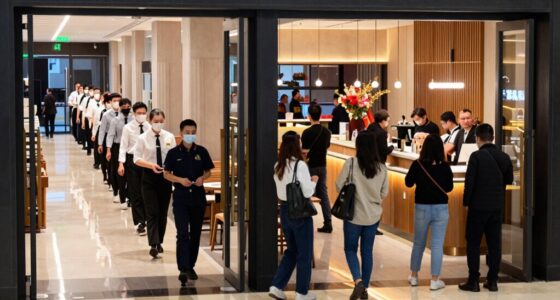
When focusing on utilization, you’re looking at how efficiently your restaurant’s assets are employed. For example, you want to ensure that your dining area isn’t underused during peak hours or sitting empty when it could be bustling. Proper inventory management plays a key role here, as it ensures you have the right ingredients on hand without overstocking, which ties up cash and space. By managing inventory effectively, you prevent shortages that disrupt service and underutilization that leaves seats empty. Additionally, scheduling staff based on peak times maximizes the use of your team, avoiding overstaffing during slow periods and understaffing when the restaurant is busiest. Good customer service hinges on this balance—if your staff is stretched thin during busy hours, customer satisfaction drops, but overstaffing during slow times leads to wasted labor costs. Efficient resource utilization also involves understanding your restaurant capacity, which helps you plan and optimize your space and staff to meet demand effectively. Recognizing patterns in dining trends enables better forecasting and resource allocation, further enhancing utilization. Regularly analyzing operational data allows you to identify inefficiencies and adjust accordingly, ensuring continual improvement. Leveraging data analysis tools can provide deeper insights into operational patterns, helping you refine resource deployment.
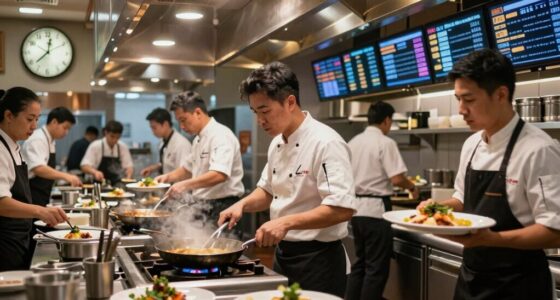
Productivity, on the other hand, focuses on how efficiently your team turns inputs into outputs. It’s about how quickly and effectively your staff prepares and serves food, manages tables, and handles customer requests. High productivity means your team can serve more customers with the same or fewer resources, leading to higher revenue and better customer experiences. Improving productivity often involves streamlining processes, training staff, and implementing technology that speeds up tasks without sacrificing quality. When your team is productive, customer service improves because guests experience faster service, attentive staff, and consistent quality. This directly impacts repeat business and positive reviews, which are crucial for long-term success.
While utilization is about making sure resources are used to their fullest potential, productivity emphasizes how well your team leverages those resources to deliver results. Both need to be balanced; overusing resources without boosting productivity can lead to burnout and declining service quality, while high productivity without proper utilization can result in missed opportunities. By understanding and managing both aspects, you create a harmonious environment where your restaurant operates smoothly, customers leave satisfied, and your bottom line grows.

Receipt Spike Holder, Stainless Steel Ticket Stabber for Restaurant Gold Desk Receipt Holder Spike Bill Fork Check Spindle with Non Slip Base for Restaurant Bars Hotel Office, with 80mm Wide Stand
- Heavy-Duty and High-Capacity: Securely holds large volumes of receipts
- Stable Wide Base: 80mm diameter for maximum stability
- Safety Rubber Cover: Prevents accidental pricks and injuries
As an affiliate, we earn on qualifying purchases.
As an affiliate, we earn on qualifying purchases.
Frequently Asked Questions
How Do Seasonal Changes Affect Restaurant Utilization and Productivity?
Seasonal fluctuations directly impact your restaurant’s utilization and productivity by altering customer flow. During busy seasons, you’ll see higher utilization rates, maximizing seating and staff efficiency. Conversely, slower periods reduce customer flow, which can lower productivity if staffing isn’t adjusted. To stay profitable year-round, you need to plan for these seasonal changes, adjusting hours, promotions, and staff levels to optimize both utilization and overall productivity.
What Tools Can Help Track Restaurant Utilization Effectively?
Imagine your restaurant as a well-oiled machine—tools like reservation systems and table management software are the cogs keeping it running smoothly. These tools help you track utilization by providing real-time data on reservations, walk-ins, and table turnover. They enable you to optimize seating, reduce wait times, and maximize revenue. With these tools, you gain clear insights, making it easier to adjust staffing and operations for peak efficiency.
How Does Employee Satisfaction Impact Productivity in Restaurants?
Employee satisfaction substantially impacts productivity in your restaurant. When staff morale is high, they’re more engaged and motivated, leading to better service and efficiency. Engaged employees are likely to put in extra effort, reduce errors, and create a positive atmosphere that attracts customers. Conversely, low morale can cause disengagement, absenteeism, and decreased productivity. Fostering staff engagement and maintaining high employee morale directly boost your restaurant’s overall productivity and success.
Can High Utilization Harm Service Quality in Restaurants?
High utilization can wreak havoc on service quality, making it nearly impossible to maintain first-rate service consistency. When staff are stretched too thin, the customer experience suffers, leading to rushed orders and overlooked details. You might think you’re maximizing efficiency, but in reality, you’re risking burnout and unhappy guests. Striking the right balance guarantees your team delivers exceptional service, keeps customers coming back, and keeps your restaurant thriving.
What Is the Role of Technology in Improving Restaurant Productivity?
Technology plays a crucial role in boosting your restaurant’s productivity by enhancing customer engagement and enabling menu innovation. With digital reservation systems and mobile ordering, you streamline operations and reduce wait times. Data analytics help you understand customer preferences, guiding menu updates that meet demand. These tools allow you to serve more customers efficiently, improve overall service quality, and stay competitive in a fast-evolving industry.
Conclusion
Remember, in the restaurant business, understanding the difference between utilization and productivity can make all the difference. While maximizing your resources is important, truly thriving comes from balancing efficiency with quality. As the saying goes, “Don’t put all your eggs in one basket,” meaning you should manage both aspects wisely. By doing so, you’ll guarantee your restaurant runs smoothly and keeps customers coming back, turning effort into lasting success.