

You might still confuse cross-contact with cross-contamination because both involve unwanted transfer during food handling. However, cross-contact transfers allergens, while cross-contamination spreads bacteria and pathogens. They often occur together in busy kitchens, making it hard to tell them apart. Understanding the difference is essential for proper safety measures. If you keep exploring, you’ll discover how to prevent each issue effectively and protect everyone’s health.

Get kitchen staples and gadgets delivered free — and shop member deals
- Fast, free delivery on millions of items
- Access to Prime Big Deal Days deals on October 6–7
- Prime Video, Amazon Music and more included
Key Takeaways
- Both involve transfer of substances during food handling, leading to similar health risks and symptoms.
- The terminology is often used interchangeably, causing confusion despite different underlying causes.
- Overlapping practices in kitchens, like shared utensils and surfaces, blur distinctions between the two issues.
- Lack of specific training on allergen versus microbial safety contributes to misidentification.
- The similar appearance of reactions complicates quick diagnosis, making it harder to differentiate cross-contact from cross-contamination.
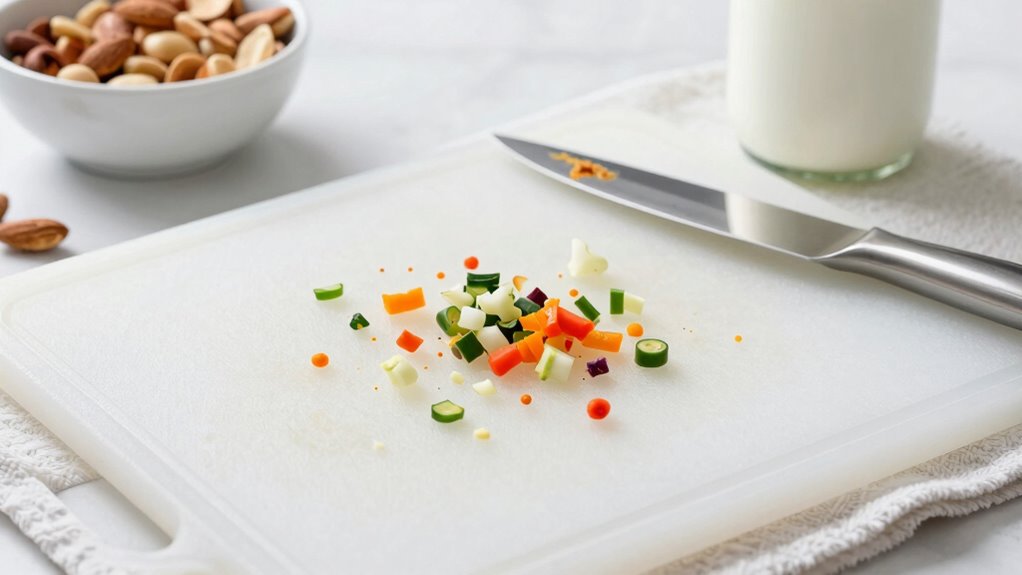
Understanding the difference between cross-contact and cross-contamination is essential for maintaining food safety in your kitchen. Although these terms are often used interchangeably, they describe distinct issues that require specific strategies to prevent. Recognizing this difference is key because it directly impacts allergy prevention and how you implement food safety protocols. When you understand that cross-contact involves the transfer of an allergen from one food to another, you realize how easily someone with food allergies can be exposed to dangerous proteins. Cross-contact, therefore, can be particularly challenging in environments where allergen-free foods need to be maintained strictly separate. Cross-contamination, on the other hand, refers to the spread of harmful bacteria, viruses, or other pathogens, which can lead to foodborne illnesses. Knowing these distinctions helps you take targeted actions to protect everyone who eats your food.
Many people confuse cross-contact with cross-contamination because they both involve the transfer of substances from one surface or food to another. Still, their causes and consequences differ. Cross-contact usually happens through contact with allergenic ingredients, such as nuts or dairy, that aren’t properly separated or handled carefully. For allergy prevention, you need to implement strict food safety protocols, like using dedicated utensils, surfaces, and storage areas for allergen-free foods. It’s about preventing the transfer of proteins that could trigger allergic reactions. Cross-contamination, however, involves bacteria or pathogens that can be present on raw meats, contaminated water, or unwashed vegetables. To prevent this, you should follow hygiene practices like thorough handwashing, sanitizing surfaces, and avoiding the use of the same cutting boards for raw meats and ready-to-eat foods. Additionally, understanding the role of biodiversity in maintaining a balanced ecosystem can help reduce the presence of harmful microorganisms in your environment.
The confusion persists because both issues can occur simultaneously in busy kitchens, and the symptoms—like illness or allergic reactions—may look similar. But recognizing that cross-contact is mainly about allergen transfer and cross-contamination relates to microbial spread helps you tailor your food safety protocols accordingly. For instance, in allergy prevention, you focus on preventing allergen transfer through careful handling and separation. For microbial safety, you emphasize cleaning, sanitizing, and cooking at proper temperatures. Developing awareness of food safety protocols can help you establish comprehensive procedures that address both issues effectively. Understanding this distinction allows you to train your staff better and establish precise procedures, reducing the risk of both foodborne illness and allergic reactions.
In essence, the key to avoiding confusion is knowing that cross-contact and cross-contamination target different threats—one for allergens, the other for pathogens. By applying specific food safety protocols to each, you safeguard the health of everyone who enjoys your meals. Recognizing these differences ensures you’re proactive, not reactive, in maintaining a safe and allergen-aware kitchen environment.
food allergy prevention utensils
As an affiliate, we earn on qualifying purchases.
As an affiliate, we earn on qualifying purchases.
Frequently Asked Questions
How Does Cross-Contact Differ From Allergen Transfer?
Cross-contact differs from allergen transfer because it involves ingredient mixing or surface contamination, where allergens unintentionally come into contact with foods. You might accidentally transfer allergens through utensils, surfaces, or equipment without actual ingredient mixing. While cross-contact is about the physical transfer of allergens, allergen transfer focuses on how allergens move from one item to another. Understanding this helps you prevent allergic reactions more effectively.
Can Cross-Contact Occur Without Visible Signs?
Yes, cross-contact can happen without visible signs or visual cues. You might not see any visible indicators like residue or color changes, but hidden indicators such as microscopic particles or allergen traces can still be present. It’s important to be cautious and clean surfaces thoroughly, especially when handling allergens, because even without visible signs, cross-contact can pose serious health risks. Always assume contamination is possible, even if you see nothing.
What Are Common Household Sources of Cross-Contact?
Imagine your kitchen as a bustling hub of activity, where small mishaps happen daily. Common household sources of cross-contact include using the same kitchen utensils for different foods without cleaning, and sharing appliances like toasters or cutting boards. These subtle exchanges can introduce allergens or unwanted flavors. Being mindful, cleaning utensils thoroughly, and avoiding shared appliances for allergen-prone foods help prevent accidental cross-contact, keeping everyone safe and satisfied.
Is Cross-Contact Always Dangerous for Allergy Sufferers?
Cross-contact isn’t always dangerous for allergy sufferers, but safe handling is vital to minimize risks. You should be aware of hidden risks, like trace amounts of allergens left on surfaces or utensils. Even tiny residues can trigger reactions, so always clean thoroughly and separate allergen-free foods. Being vigilant helps prevent accidental exposure, ensuring safer eating experiences and peace of mind for those with allergies.
How Quickly Can Cross-Contact Lead to Allergic Reactions?
Cross-contact can trigger allergic reactions within minutes if you’re highly sensitive. When allergenic proteins transfer to foods, your immune system might react quickly, especially if you’ve had allergy testing or immunotherapy options that indicate your sensitivity. To avoid risks, always check for signs of cross-contact and follow your allergy management plan. Immediate reactions can occur, so prompt action is essential if you suspect exposure, even without obvious symptoms.
Conclusion
So, next time you’re in the kitchen, remember that cross-contact and cross-contamination are like two siblings with different personalities—one sneaky and silent, the other loud and obvious. Don’t let confusion be the storm that muddles your meal. Instead, stay vigilant, like a lighthouse guiding ships safely ashore. By understanding their differences, you’re steering your culinary ship clear of hazards, ensuring every bite is a safe harbor for your health.
NFL season / tailgating Picks
team gear
As an affiliate, we earn on qualifying purchases.