
To reduce confusion around daily specials, guarantee your team is well-trained and confident in explaining the menu clearly. Use visual aids like pictures or digital displays to support descriptions and keep your specials prominently displayed with easy-to-read fonts. Encourage staff to reference specials straightforwardly and highlight their benefits. Providing scripts or cheat sheets helps maintain consistent messaging. If you focus on clear communication strategies, you’ll see more customers trying specials and fewer questions. Keep exploring to learn more effective techniques.
Key Takeaways
- Train staff thoroughly on specials, ingredients, and messaging to ensure confident and consistent communication.
- Use clear, prominent menus with concise descriptions and visual aids to minimize customer confusion.
- Implement visual tools like pictures or digital displays to support staff explanations and customer understanding.
- Provide scripts or cheat sheets to standardize how staff introduce and explain specials.
- Offer ongoing feedback and coaching to reinforce proper communication and address misunderstandings promptly.

Daily specials can attract customers and boost sales, but confusion over what’s available often leads to missed opportunities. If your staff isn’t well-trained or your menu isn’t clear, customers may leave without ordering the specials or might order the wrong items altogether. Addressing these issues starts with focusing on staff training and menu clarity. When your team understands exactly what the specials are, how to present them confidently, and how to answer customer questions, the entire customer experience improves. Clear communication from your staff ensures customers feel confident in their choices, increasing the likelihood they’ll try the specials and spend more.
Effective staff training and clear menus boost specials sales and enhance customer confidence.
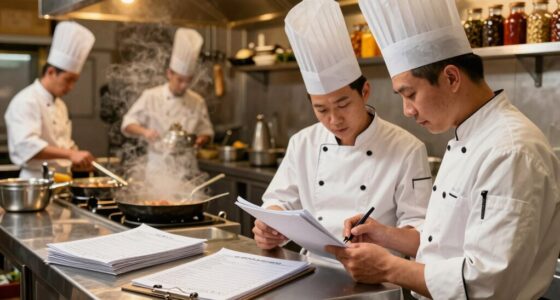
Staff training is the foundation of reducing confusion around daily specials. Regularly educate your team about the details of each special—ingredients, preparation methods, pricing, and any limitations. Role-playing scenarios can help staff practice describing specials clearly and answering common questions. When your team is confident, they’re more likely to promote specials actively, rather than leaving it to chance or last-minute explanations. Also, emphasize the importance of consistency in messaging. When every staff member delivers the same clear description, customers receive a uniform experience, reducing misunderstandings. Additionally, reinforcing staff knowledge about the specials ensures they can communicate with authority and clarity. Incorporating training techniques like quizzes or quick reviews can further solidify their understanding and boost confidence. To further support your team, providing ongoing feedback and coaching helps maintain high standards in communication. Moreover, leveraging visual aids can help staff better explain the specials and enhance customer understanding.
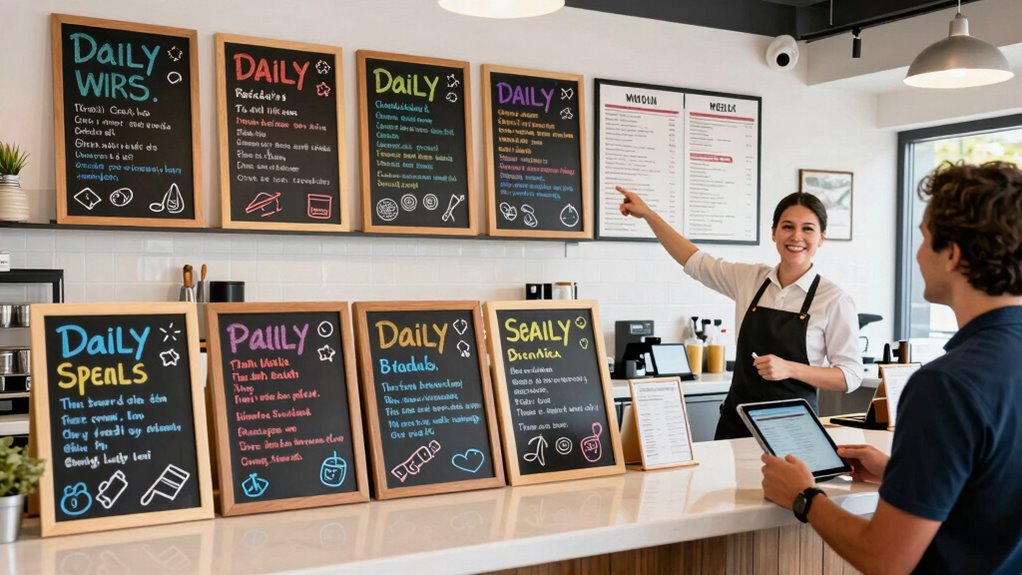
Menu clarity is equally essential. Your daily specials should be prominently displayed, easy to read, and visually appealing. Use large, legible fonts and consider placing the specials on a dedicated board or digital screen where they cannot be overlooked. Incorporate high-quality images or icons that quickly convey what’s on offer. Keep descriptions concise, focusing on key details like main ingredients and flavor profiles. Avoid cluttered layouts or vague wording that leaves customers guessing. When customers can see and understand their options at a glance, they’re more likely to order the specials confidently.
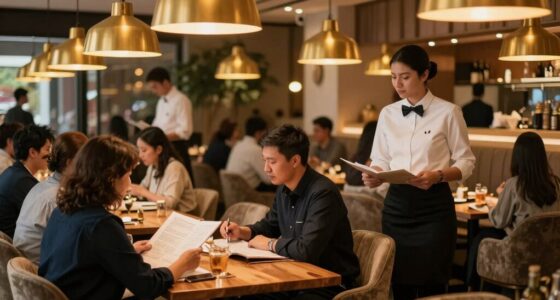
Beyond the menu design, ensure your staff is trained to reference the specials in a straightforward, engaging manner. Encourage them to highlight the unique aspects and benefits of each item, making the specials feel appealing rather than confusing. Also, empower them to clarify any doubts customers might have, whether about ingredients, portion sizes, or dietary concerns. Providing staff with scripts or cheat sheets can help maintain consistency and boost their confidence. Taking advantage of visual aids, like pictures or digital displays, can also enhance understanding and reduce questions.
Ultimately, reducing confusion around daily specials is about creating a seamless system where your menu communicates clearly, and your staff can confidently explain and promote the offerings. When both elements work together, you’ll see higher participation in specials, increased sales, and happier customers who leave with a positive impression of your restaurant.
digital menu boards for restaurants
As an affiliate, we earn on qualifying purchases.
As an affiliate, we earn on qualifying purchases.
Frequently Asked Questions
How Often Should Daily Specials Be Changed?
You should change daily specials at least every 24 to 48 hours to keep your menu fresh and exciting. Regular menu rotation encourages repeat visits, while strategic pricing strategies can boost sales. By updating specials frequently, you prevent confusion and maintain customer interest. Pay attention to customer preferences and seasonal ingredients, ensuring each change feels timely and relevant. This approach keeps your offerings dynamic and engaging, encouraging customers to return often.
Who Should Communicate the Daily Specials to Customers?
Picture yourself guiding customers to a lively table, confidently sharing the day’s specials with a warm smile. You, as staff, should be the one to communicate daily specials, creating a personal connection that boosts customer engagement. Clear, enthusiastic explanations motivate staff and make specials memorable. Your direct involvement guarantees customers understand the offerings, fostering trust and satisfaction while energizing your team to deliver exceptional service every day.
What Training Is Needed for Staff About Daily Specials?
You need to train your staff on effective menu presentation and engaging communication about daily specials. Focus on clear, concise explanations and enthusiastic delivery, so customers feel confident. Conduct role-playing exercises to boost staff engagement and guarantee they understand the specials thoroughly. Regular updates and feedback sessions help reinforce knowledge, making your team more comfortable sharing details. This approach minimizes confusion and enhances the overall guest experience.
How Can Technology Improve Special Communication?
You can improve special communication through technology by using digital signage to display daily specials clearly and attractively. Additionally, mobile notifications allow you to send instant updates directly to staff and customers, reducing confusion. By integrating these tools, you guarantee everyone stays informed in real-time, minimizing errors and enhancing the dining experience. Embracing digital signage and mobile alerts makes your communication more efficient, engaging, and seamless.
What Are Common Mistakes in Presenting Daily Specials?
You might think shouting “Today’s specials!” is enough, but that’s a mistake. Rely on clear visual cues and smart menu design to highlight daily specials. Avoid clutter, tiny fonts, or hidden placements that make specials easy to overlook. Many servers forget to update displays or rely solely on verbal cues, creating confusion. A well-organized menu with eye-catching visuals guarantees your guests notice and understand today’s offerings effortlessly.
Conclusion
By simplifying your approach and communicating clearly, you help your guests feel truly valued and cared for. When daily specials are easy to understand, it creates a warm, inviting atmosphere where everyone can relax and enjoy their experience. Remember, a little clarity goes a long way in making your guests feel appreciated and confident in their choices. Ultimately, your thoughtful efforts foster loyalty and turn simple meals into memorable moments—making your service genuinely special.