
TL;DR

Get kitchen staples and gadgets delivered free with Prime
- Fast, free delivery on millions of items
- Prime Video, Amazon Music and more included
- Member-only deals all year
The Florentine reports on Women of the Flood: A New Future for Florence, a new issue of The Curators’ Quaderno featuring photographs and accounts of women’s work during and after the 1966 Arno flood. The publication highlights museum director Maria Luisa Righini Bonelli’s efforts to save scientific instruments and the women who helped restore the National Central Library’s damaged collections.
A new issue of The Curators’ Quaderno, titled Women of the Flood: A New Future for Florence, brings together archival photographs and accounts of women’s work during the 1966 Arno flood and the restoration that followed. Created by Calliope Arts and Restoration Conversations with The Florentine Press, the publication revisits how women helped protect museum objects, clear flood damage and repair books and periodicals.
One account focuses on Maria Luisa Righini Bonelli, then director of Florence’s Museum of History of Science, now the Museo Galileo. The report says she moved the collection’s most precious objects to upper floors as floodwater threatened the building. Fearing it might collapse, she climbed through a window, edged along the exterior wall and entered the Uffizi through a window, making repeated trips to carry items she could manage.
The objects she helped save included compasses, astrolabes and Galileo’s telescope. An accompanying photograph, credited to Maria Luisa Righini Bonelli and the Galileo Museum Archives, shows her on a ledge in front of the museum, with an Arabian globe and the salvaged telescope.
Other photographs document women’s labour in the city and in the National Central Library of Florence. One image from the Alinari Archives shows a woman using a pitcher to wash sludge from the door of the Duomo’s rectory. At the library, where more than 1.3 million books and periodicals were lost in the mud, women including bookbinder Dorothy Cumpstey and chemist Margaret Hey took part in the restoration work. The library established a permanent restoration laboratory by spring 1967.
Women’s Work in Flood Recovery
The publication draws attention to work that can be less visible in accounts of disaster response: protecting collections and carrying out the painstaking repair needed after the immediate emergency. Bonelli’s actions helped safeguard scientific instruments, while the library’s restoration effort addressed damage to a major collection of books and periodicals.
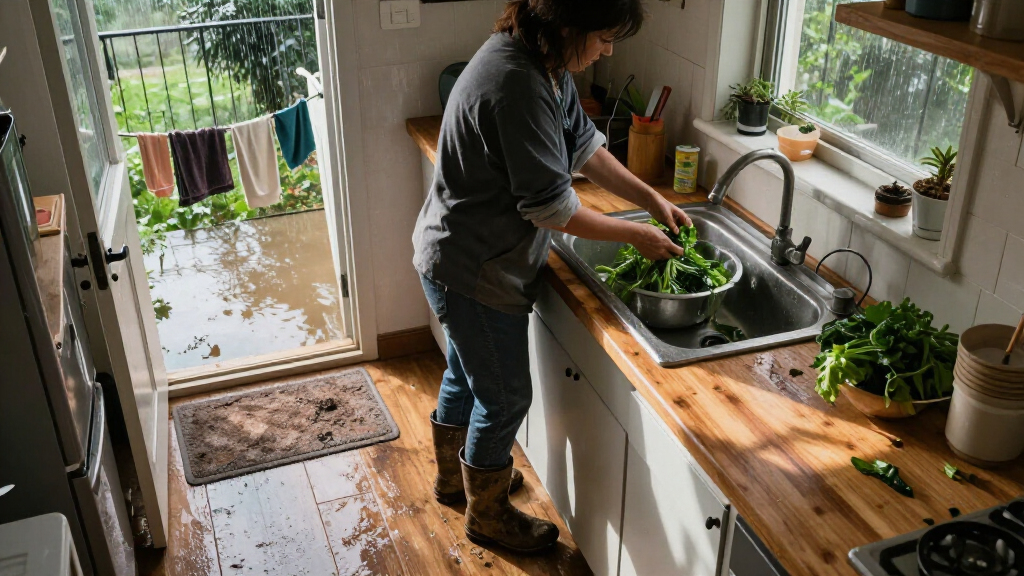
The photographs also record the scale of the recovery effort beyond individual institutions. The report says 600,000 tons of mud and rubble entered Florence after the Arno burst its banks. It describes residents facing shortages of aid and heavy equipment, alongside volunteers who came from other countries to help recover the city’s cultural holdings.
Products Worth Considering

Instant Pot Pro Plus 6 Qt 10-in-1 Electric Pressure Cooker, Black

Vitamix Propel Series 510 Professional-Grade Blender, 3 Programs, Black
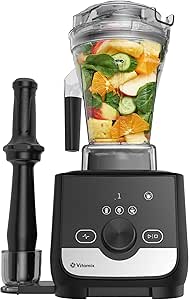
Vitamix Ascent X3 Professional-Grade Blender, 3 Programs, Shadow Black
As an affiliate, we earn on qualifying purchases.
The 1966 Arno Flood’s Aftermath
The Arno overflowed in November 1966, flooding Florence and damaging buildings, artworks and library collections. At the National Central Library, washing of books began at the railway station, described in the report as one of the few places in the city with running water. The library later became a centre for volunteers known as the Mud Angels, who worked to salvage cultural materials.
The restoration process developed into organised conservation work. By spring 1967, the library had set up a permanent laboratory for analysis, washing, drying, mending and rebinding. The report says the library still supports a programme to recover and restore holdings damaged by the flood. It also notes a change in women’s public clothing in Florence after the disaster, saying women began wearing trousers in public that November.
““Women of the Flood: A New Future for Florence””
— The Florentine report
Publication Details Still Unreported
The report identifies the organisations behind the issue and describes several featured images and stories, but does not state when or where the publication can be obtained, its price, or whether it is available in print, online or both. It also does not provide a full list of contributors or a complete inventory of the photographs included.
The article presents historical accounts and archival credits, but does not give further documentation for some contextual details, including the reported changes in women’s clothing or the pace of outside aid. Those points are attributable to the report and are not independently assessed in the material provided.
Availability and Further Coverage
The report does not announce a release schedule, public event or next step for the Quaderno. Readers seeking the issue’s availability or additional images will need to check announcements from Calliope Arts, Restoration Conversations and The Florentine Press. The National Central Library’s ongoing restoration programme remains part of the longer recovery from the 1966 flood, according to the report.
Key Questions
What is Women of the Flood?
It is the title of a new issue of The Curators’ Quaderno, created by Calliope Arts and Restoration Conversations with The Florentine Press. It focuses on women’s contributions during and after Florence’s 1966 flood.
What did Maria Luisa Righini Bonelli do during the flood?
The report says the director of the Museum of History of Science moved valuable collection objects upstairs, then made repeated trips between the museum and the Uffizi to carry items to safety. These included Galileo’s telescope, compasses and astrolabes.
How badly was the National Central Library damaged?
The Florentine reports that more than 1.3 million books and periodicals were lost in the sludge at the library. Restoration involved analysis, washing, drying, mending and rebinding.
Is the Quaderno available to buy or read online?
The source report does not provide availability, pricing or format details. It names the organisations involved but gives no direct purchase or access information.
Source: theflorentine.net