
TL;DR

Get kitchen staples and gadgets delivered free with Prime
- Fast, free delivery on millions of items
- Prime Video, Amazon Music and more included
- Member-only deals all year
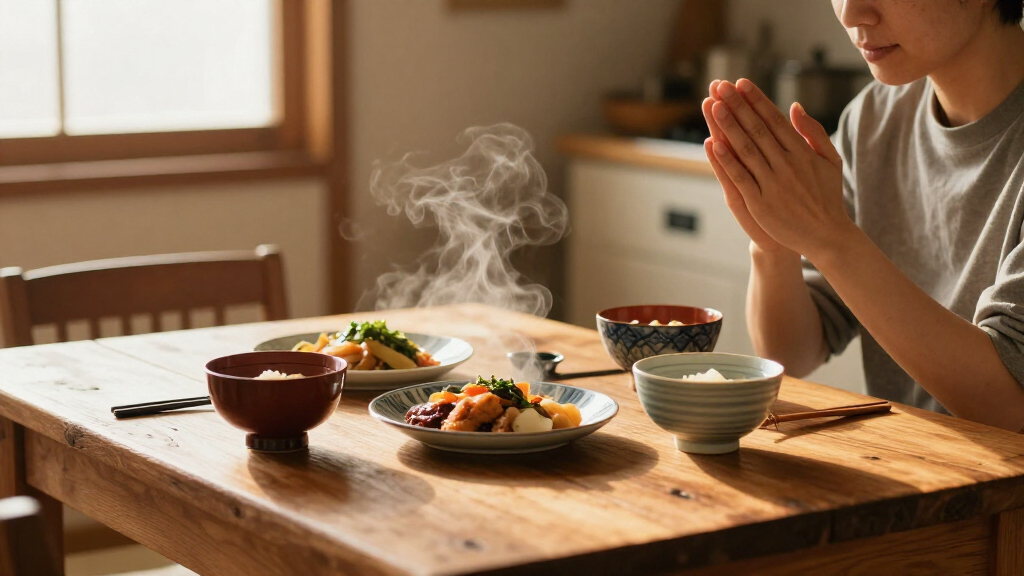
Recent discussions clarify that ‘Itadakimasu’ is a phrase used to thank the food itself, not the cook. This distinction affects cultural understanding and social etiquette in Japan.
Recent discussions and cultural clarifications confirm that the Japanese phrase ‘Itadakimasu’ is traditionally said to express gratitude to the food itself, not the person who prepared it. This clarification impacts how the phrase is understood and used, both domestically and internationally.
Historically, ‘Itadakimasu’ is a phrase rooted in Japanese culture, often translated as ‘I humbly receive.’ It is commonly said before meals as a sign of appreciation. However, some misconceptions have led to the belief that the phrase is directed toward the chef or cook. Recent cultural explanations, supported by language experts and Japanese etiquette authorities, confirm that the phrase is aimed at the food, acknowledging its source and expressing gratitude for the nourishment it provides.
Language experts emphasize that ‘Itadakimasu’ derives from a humble expression of receiving and respecting the food, which has its origins in Buddhist practices and traditional Japanese manners. The clarification comes amid ongoing discussions on cultural accuracy and proper etiquette, especially among non-Japanese speakers learning the language and customs.
This clarification influences how people understand Japanese etiquette and respect during meals. Recognizing that ‘Itadakimasu’ is directed at the food emphasizes gratitude for nature’s provision rather than the chef’s effort alone. It can affect social interactions, manners, and intercultural communication, especially in contexts involving Japanese cuisine and culture.
For non-Japanese speakers and cultural educators, understanding the correct usage helps foster respect and accuracy in language learning and cultural exchange. It also highlights the importance of respecting traditional practices, which may differ from Western notions of thanking the person who prepared the meal.
As an affiliate, we earn on qualifying purchases.
Origins and Common Misunderstandings of ‘Itadakimasu’
The phrase ‘Itadakimasu’ has been part of Japanese culture for centuries, with roots in Buddhist teachings emphasizing humility and gratitude. Traditionally, it is said before eating to acknowledge the effort of nature and those involved in food production. Despite this, some modern interpretations and casual usage have led to misconceptions that the phrase is directed toward the cook or chef. Recent linguistic and cultural analyses clarify that the phrase is a general expression of appreciation for the food itself.
This clarification comes amid broader discussions about cultural accuracy and the importance of understanding traditional Japanese customs, especially as Japanese cuisine gains popularity worldwide. Experts note that the phrase’s original intent is to show humility and respect for the nourishment provided by nature, not necessarily the individual who prepared the meal.
“‘Many people mistakenly think ‘Itadakimasu’ is directed at the chef, but in reality, it’s a humble acknowledgment of the nourishment we are about to receive.'”
— Ms. Aiko Saito, etiquette expert
Remaining Questions About Cultural Usage and Modern Practice
While experts agree on the phrase’s original meaning, it is still unclear how widely this clarification has influenced everyday practice among Japanese people, especially among younger generations and in international contexts. Some casual users may still interpret or use the phrase differently, and there is ongoing discussion about how best to teach and promote accurate understanding.
Additionally, the extent to which this clarification will impact cultural exchange and language education remains to be seen, as habits and perceptions can vary significantly across regions and communities.
Future Efforts to Promote Cultural Accuracy and Education
Language and cultural institutions in Japan are expected to continue promoting accurate usage of ‘Itadakimasu’ through educational campaigns and media. There may also be increased efforts in language teaching materials and cultural programs to emphasize its true meaning. Researchers and educators will likely monitor how this clarification influences both domestic and international understanding of Japanese dining etiquette.
Further studies may explore how traditional phrases are evolving in contemporary practice and what this means for cross-cultural communication.
Key Questions
Is ‘Itadakimasu’ only used in Japan?
No, it is primarily a Japanese phrase, but it is sometimes used by Japanese speakers abroad or by learners of Japanese to show respect and cultural understanding.
Should I thank the cook separately if I say ‘Itadakimasu’?
Yes, thanking the cook or host separately is common etiquette, but ‘Itadakimasu’ itself is not directed toward the person who prepared the meal.
Has the meaning of ‘Itadakimasu’ changed over time?
The core meaning related to gratitude for the food has remained consistent, but casual usage and misunderstandings have led to some misconceptions about its target and significance.
Will this clarification affect Japanese dining customs?
It may influence how people understand and teach the phrase, encouraging more accurate cultural practices, but habitual use may vary depending on individual and regional differences.
Source: hn
Halloween Picks
halloween
As an affiliate, we earn on qualifying purchases.