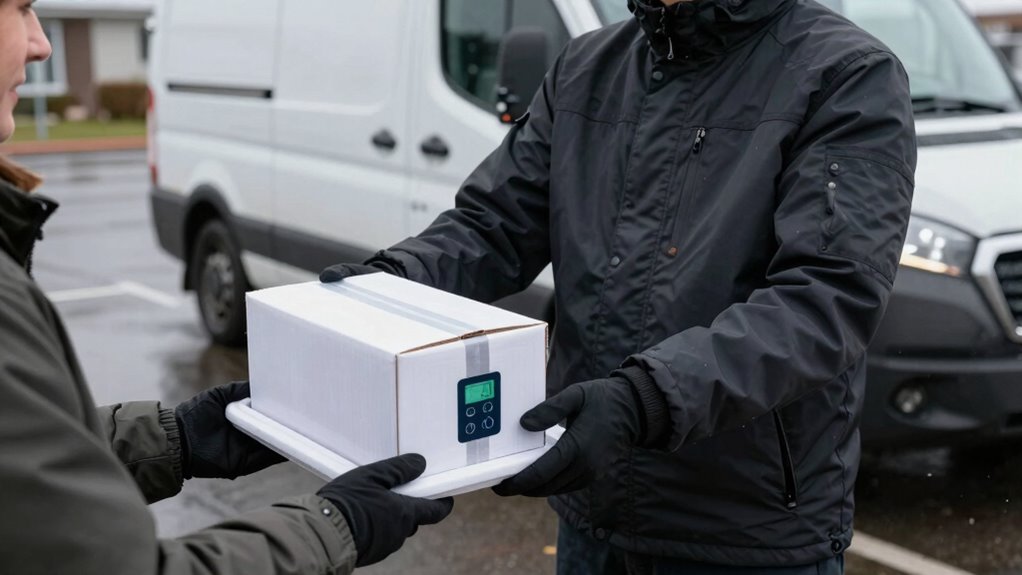

To prevent temperature abuse during delivery handoffs, you should guarantee strict adherence to protocols, verify that packaging remains sealed and intact, and use insulated containers with proper temperature monitoring tools. Coordinate closely with your logistics partners to communicate handling expectations and track temperatures in real-time. Address any fluctuations immediately with swift corrective actions. By maintaining continuous oversight and investing in innovative packaging and monitoring systems, you can substantially reduce risks—more tips await if you keep exploring.

Get kitchen staples and gadgets delivered free with Prime
- Fast, free delivery on millions of items
- Prime Video, Amazon Music and more included
- Member-only deals all year
Key Takeaways
- Verify and document temperatures at each transfer stage to ensure compliance and identify potential breaches early.
- Use insulated packaging with thermal materials and real-time monitoring devices to maintain consistent temperatures.
- Train personnel on proper handling, sealing, and quick response procedures during handoffs to prevent exposure.
- Establish clear communication protocols with logistics partners on temperature requirements and handling expectations.
- Implement alerts and proactive measures based on real-time data to address temperature excursions promptly.
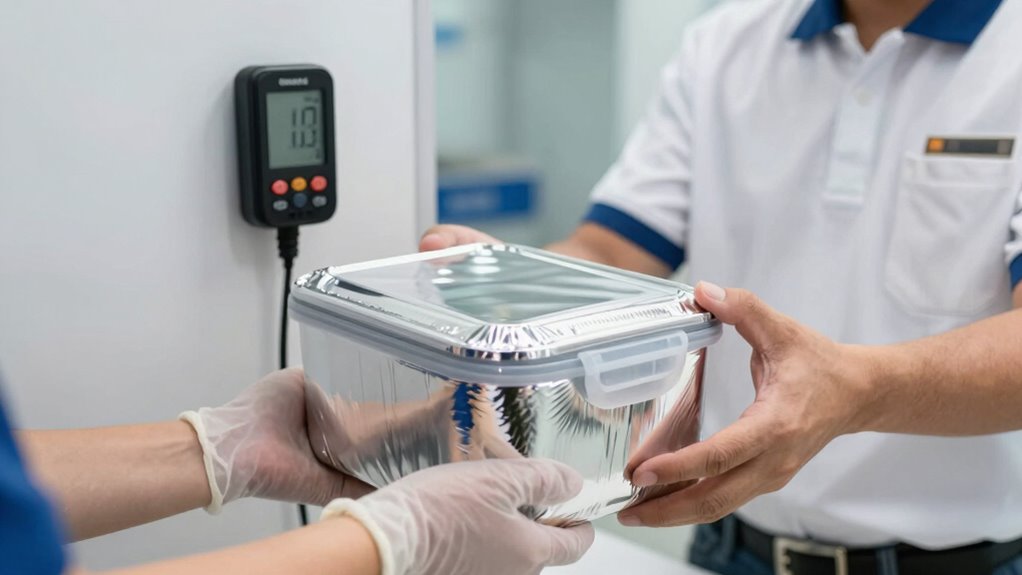
During delivery handoffs, temperature abuse can easily occur if proper protocols aren’t followed, putting the safety and quality of perishable goods at risk. Maintaining cold chain integrity during these critical transfer points is essential to prevent spoilage, reduce waste, and ensure consumer safety. You need to focus on consistent temperature management, which begins with effective packaging innovations. Modern packaging solutions are designed to better insulate and control temperature, minimizing fluctuations during transit. These innovations include insulated containers, gel packs, phase change materials, and temperature-monitoring devices that provide real-time data, so you can quickly identify if a shipment deviates from acceptable temperature ranges.
To keep cold chain integrity intact during handoffs, you should establish clear procedures that emphasize the importance of checking and documenting temperatures at every stage. This means verifying that the packaging is intact and appropriately sealed before loading, as well as ensuring that temperature-sensitive items are stored in validated containers that maintain the necessary cold environment. Training personnel on these protocols is equally important. They need to understand the significance of handling perishable goods with care, following proper loading and unloading procedures, and responding swiftly if temperature excursions are detected. Relying solely on outdated methods or assumptions can lead to overlooked temperature breaches, jeopardizing product safety and compliance. Additionally, utilizing temperature-monitoring devices that log real-time data can help prevent potential issues before they escalate. Implementing real-time data collection can provide actionable insights and enable quicker response times. Incorporating advanced packaging materials with superior thermal properties can further enhance the cold chain’s resilience.
Utilizing packaging innovations effectively also involves selecting the right materials based on the specific needs of your shipment. For instance, frozen items require different insulation compared to chilled products, so choosing adaptable, high-performance packaging can make a significant difference. You should also consider implementing continuous temperature monitoring during transit. Devices that log temperature data and send alerts if thresholds are exceeded allow you to intervene promptly, preventing compromised goods from reaching the end consumer. This proactive approach not only safeguards product quality but also enhances your credibility and compliance with industry regulations. Incorporating insulation materials with superior thermal properties can further enhance the cold chain’s resilience.
In addition to good packaging and monitoring, you should coordinate closely with logistics partners. Clear communication about temperature requirements and expectations ensures everyone understands their role in maintaining cold chain integrity. Regular audits of handling procedures and packaging effectiveness help identify areas for improvement, reducing the risk of temperature abuse during future handoffs. Employing temperature control solutions that integrate seamlessly into existing logistics workflows can further strengthen your cold chain. Overall, by investing in innovative packaging solutions and emphasizing strict adherence to protocols, you strengthen the cold chain’s resilience. This proactive strategy guarantees that your perishable products stay safe, fresh, and compliant from the moment they leave your facility until they reach the customer’s hands.
temperature monitoring devices for cold chain
As an affiliate, we earn on qualifying purchases.
As an affiliate, we earn on qualifying purchases.
Frequently Asked Questions
What Are the Common Signs of Temperature Abuse During Delivery?
You’ll notice signs of temperature abuse during delivery, such as food appearing spoiled, discolored, or with an off smell. You should regularly perform temperature monitoring to catch issues early. If food isn’t at the right temperature, it compromises food safety, risking bacteria growth. Stay vigilant about these signs, and always check delivery temperatures promptly to verify safety and quality. Quick action helps prevent unsafe food from reaching consumers.
How Can Technology Improve Temperature Management During Handoffs?
You can improve temperature management during handoffs by utilizing smart sensors that provide real-time monitoring. These sensors continuously track temperature data, alerting you instantly if conditions deviate from the safe range. This technology helps you respond quickly, preventing temperature abuse. By integrating smart sensors into your delivery process, you guarantee better control, maintain product quality, and reduce the risk of spoilage, ultimately safeguarding your supplies and customers’ trust.
Are There Specific Regulations for Temperature Control in Delivery Services?
Yes, there are specific regulations for temperature control in delivery services. You must guarantee regulatory compliance by following guidelines from health authorities like the FDA or USDA, which set standards for temperature monitoring during transit. Regular temperature checks, proper documentation, and using validated monitoring devices help you stay compliant. By adhering to these regulations, you reduce the risk of temperature abuse, ensuring product safety and quality throughout the delivery process.
How Do Different Types of Food Require Different Temperature Controls?
Different types of food require specific temperature controls to stay safe and fresh. For example, perishables like dairy and meats need cold storage at 40°F or below, while cooked foods should be kept hot at 140°F or higher. You should regularly check and record temperature monitoring during food storage and transportation. Proper food storage practices and consistent temperature control help prevent spoilage and assure food safety during delivery.
What Training Is Recommended for Delivery Personnel on Temperature Safety?
Think of training delivery personnel like tuning an instrument—they need to be precise. You should make certain they understand temperature safety procedures, including proper delivery vehicle maintenance to keep food at safe temperatures. Training must also emphasize effective customer communication, so customers know how to handle their food upon arrival. Regular refresher courses reinforce these skills, helping your team prevent temperature abuse and ensure food safety from start to finish.
Conclusion
Remember, a simple step during delivery can make all the difference—ensuring your food stays safe and delicious. When you pay close attention to handoffs, you’re not just preventing temperature abuse; you’re protecting your customers’ trust and health. Sometimes, it’s the smallest actions, like double-checking the temperature or using insulated containers, that prevent a mishap. It’s a reminder that care at every step isn’t just good practice—it’s what keeps your reputation intact, no matter the day.
Halloween Picks
halloween
As an affiliate, we earn on qualifying purchases.