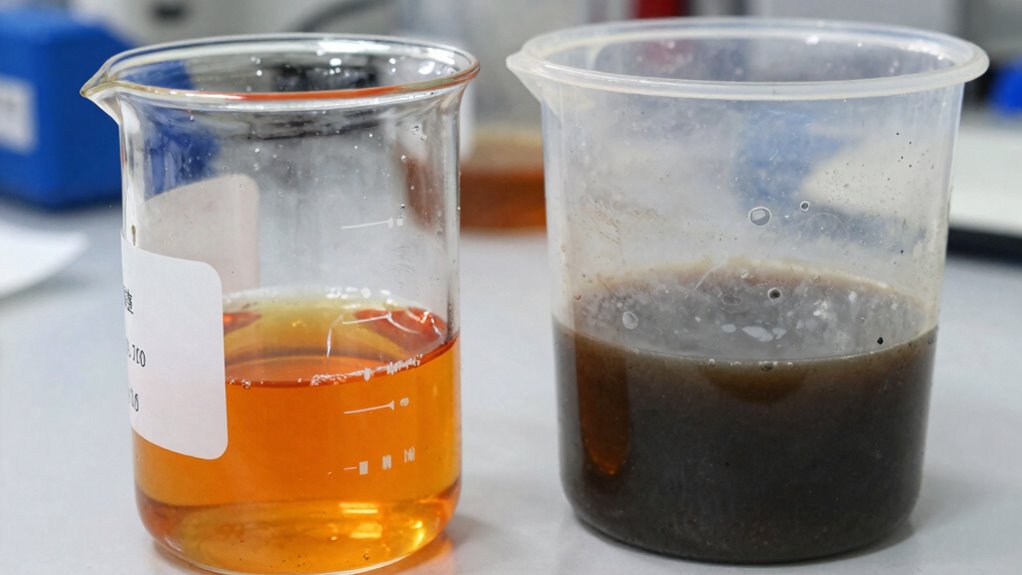

Using unlabeled secondary containers puts you at serious risk of accidents, chemical mishandling, and safety violations. Without proper labels, you can accidentally spill or misuse chemicals, causing dangerous reactions or injuries. Misidentification increases the chance of contamination and hampers emergency response. Neglecting labeling standards can lead to regulatory fines or legal issues. Staying aware of these dangers helps you understand why proper labeling is essential—and there’s more to learn about protecting yourself and others.

Get kitchen staples and gadgets delivered free with Prime
- Fast, free delivery on millions of items
- Prime Video, Amazon Music and more included
- Member-only deals all year
Key Takeaways
- Unlabeled containers increase the risk of accidental misuse and dangerous chemical reactions.
- They hinder quick identification, delaying emergency response and increasing hazards.
- Lack of labels can lead to improper handling, spills, and contamination.
- Using unlabeled containers violates safety regulations and can result in fines or legal issues.
- Inconsistent labeling creates confusion, compromising overall workplace safety and health.
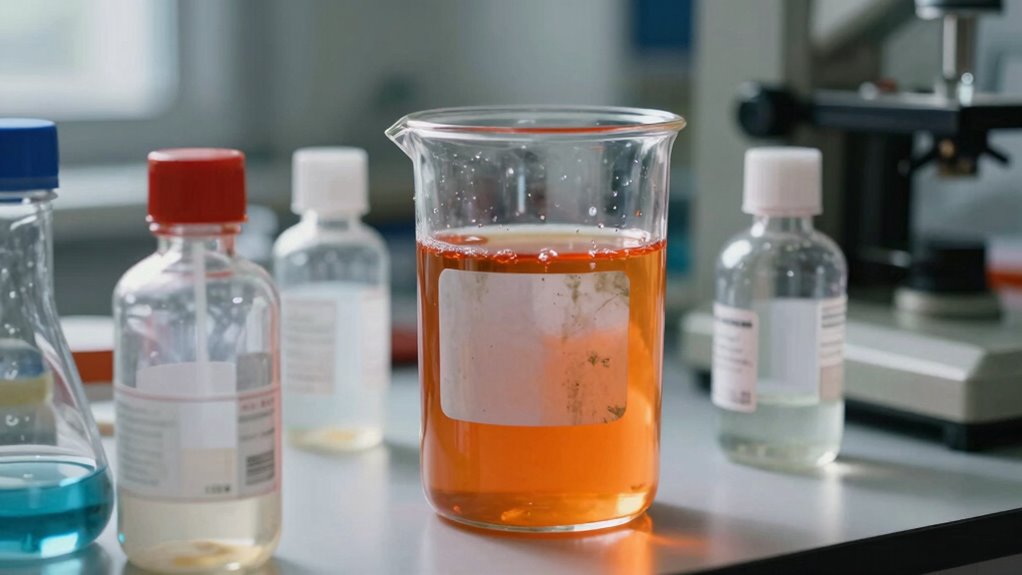
Unlabeled containers pose serious risks because they can lead to accidental spills, misuse, or dangerous reactions. When you transfer chemicals into secondary containers without proper labeling, you increase the chance of mishandling, which can result in injuries, property damage, or even health hazards. Proper chemical safety depends heavily on clear labeling practices; without them, you lose essential information about the contents, such as chemical name, hazards, and handling instructions. This oversight can be especially risky if someone unfamiliar with the container needs to use or dispose of it quickly.
Unlabeled containers increase risks of spills, misuse, and accidents, jeopardizing safety and proper handling in the workplace.
Labeling practices serve as your first line of defense in guaranteeing safe handling of chemicals. They provide critical information that helps you identify hazards, prevent misuse, and respond appropriately in emergencies. When secondary containers aren’t labeled, you risk confusion—mistaking one chemical for another, applying incorrect safety measures, or mixing incompatible substances. These mistakes can cause dangerous reactions, including fires, explosions, or the release of toxic fumes. By maintaining consistent and clear labeling, you help everyone in your work environment understand what they’re dealing with, reducing the chance of accidents.
Chemical safety isn’t just about protecting yourself; it’s about safeguarding everyone around you. Unlabeled containers undermine safety protocols, making it more likely that chemicals will be mishandled or improperly stored. This can lead to contamination or spills that are difficult to contain and clean up. Proper labeling practices also support regulatory compliance, which is essential for workplaces that handle hazardous substances. Ignoring this responsibility can result in hefty fines, legal issues, or shutdowns. It’s in your best interest to implement a systematic labeling process that guarantees every secondary container is clearly marked, with legible descriptions and hazard symbols. Consistent labeling also helps in preventing misidentification and ensuring quick, accurate responses in emergencies.
You might think that transferring chemicals into secondary containers is a minor step, but it’s an essential one. If you skip labeling or delay labeling after transferring chemicals, you’re creating a hidden hazard. Remember, chemical safety relies on visibility and information. When everyone understands what’s in each container, they’re more likely to follow proper procedures, wear appropriate protective equipment, and respond swiftly if something goes wrong. Establishing a comprehensive labeling system can also help in maintaining safety standards and avoiding unnecessary risks. Proper labeling practices also contribute to regulatory compliance, which can help avoid legal repercussions and ensure safety standards are met. Establishing a routine of accurate labeling can significantly reduce the likelihood of accidents caused by unlabeled containers, fostering a safer environment for all. Keep in mind that accidents caused by unlabeled containers often result from simple oversights—so making labeling a routine practice considerably reduces those risks and promotes a safer environment for all. Proper labeling practices are a fundamental part of maintaining a safe and compliant workspace.
As an affiliate, we earn on qualifying purchases.
Frequently Asked Questions
How Common Are Accidents Caused by Unlabeled Secondary Containers?
Accidents caused by unlabeled secondary containers are surprisingly common, often due to poor container labeling and hazard communication. When you don’t clearly label containers, it increases the risk of misuse, spills, or exposure to hazardous substances. This lack of proper labeling can lead to dangerous misunderstandings, making safety breaches more likely. To prevent such incidents, always guarantee secondary containers are labeled correctly, following proper hazard communication standards.
What Industries Are Most Affected by Unlabeled Container Risks?
Did you know that nearly 60% of chemical storage incidents involve unlabeled secondary containers? You’ll find the most affected industries include manufacturing, healthcare, and laboratories, where chemical storage and handling are critical. These sectors must prioritize labeling compliance to prevent accidents, exposure, and regulatory penalties. If you neglect proper labeling, you risk not only safety breaches but also legal and financial consequences, emphasizing the importance of clear, consistent container identification.
Are There Legal Penalties for Improperly Labeled Secondary Containers?
Yes, there are legal penalties for improperly labeled secondary containers. You could face fines or sanctions if your chemical storage doesn’t meet labeling standards, which are designed to guarantee safety and compliance. Regulatory agencies like OSHA and EPA enforce these rules, emphasizing the importance of proper labeling to prevent accidents and ensure quick response in emergencies. Making sure your containers are correctly labeled helps you stay compliant and protect everyone handling the chemicals.
How Can Workers Be Trained to Recognize Unlabeled Container Hazards?
You need to stay alert, because recognizing unlabeled container hazards can be life-saving. Train yourself in container labeling and hazard communication by participating in hands-on sessions, reading safety data sheets, and practicing identification skills. Visual cues like color codes, symbols, and container shapes are essential. When you understand these signs, you’ll quickly spot dangers, preventing accidents and ensuring a safer work environment for everyone.
What Are Modern Solutions to Prevent Unlabeled Container Usage?
You can prevent unlabeled container usage by implementing modern solutions like digital labeling systems and barcode tracking, which guarantee accurate container labeling. Incorporate strict safety protocols that require double-checking labels before use and enforce regular audits. Using color-coded containers and automated inventory management also reduces errors. These measures help create a safer environment, minimizing risks associated with unlabeled secondary containers and ensuring compliance with safety standards.
Conclusion
You’ve seen the dangers firsthand—unlabeled containers can turn a simple task into a catastrophe faster than a knight’s sword. Don’t let history repeat itself; even in the age of chivalry, proper labeling was essential. Today, it’s no different. Always label your secondary containers clearly and accurately. Think of it as your safety armor—protecting you and your colleagues from harm’s way. Stay vigilant, stay safe, and avoid becoming the next tragic tale in the annals of workplace mishaps.
Halloween Picks
halloween
As an affiliate, we earn on qualifying purchases.