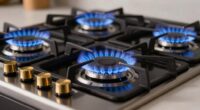
Induction cooktops require high electrical power, often needing dedicated circuits of 40 to 50 amps to operate effectively. Many homes, especially older ones, may not have the wiring or capacity to handle this load, leading to installation delays. Upgrading your electrical system or panels can take days and usually requires a licensed electrician. If you want to understand why these power needs can disrupt installation schedules, continue exploring the details below.

Get kitchen staples and gadgets delivered free with Prime
- Fast, free delivery on millions of items
- Prime Video, Amazon Music and more included
- Member-only deals all year
Key Takeaways
- Induction cooktops require high-capacity electrical circuits, often 40-50 amps, which can complicate installation.
- Older homes may need electrical upgrades or rewiring to support the cooktop’s power demands.
- Professional installation is essential to ensure proper wiring and prevent breaker trips or electrical issues.
- High power requirements can cause delays due to necessary electrical panel upgrades or rewiring.
- The complexity and cost of electrical work may extend installation days beyond simple plug-in setups.
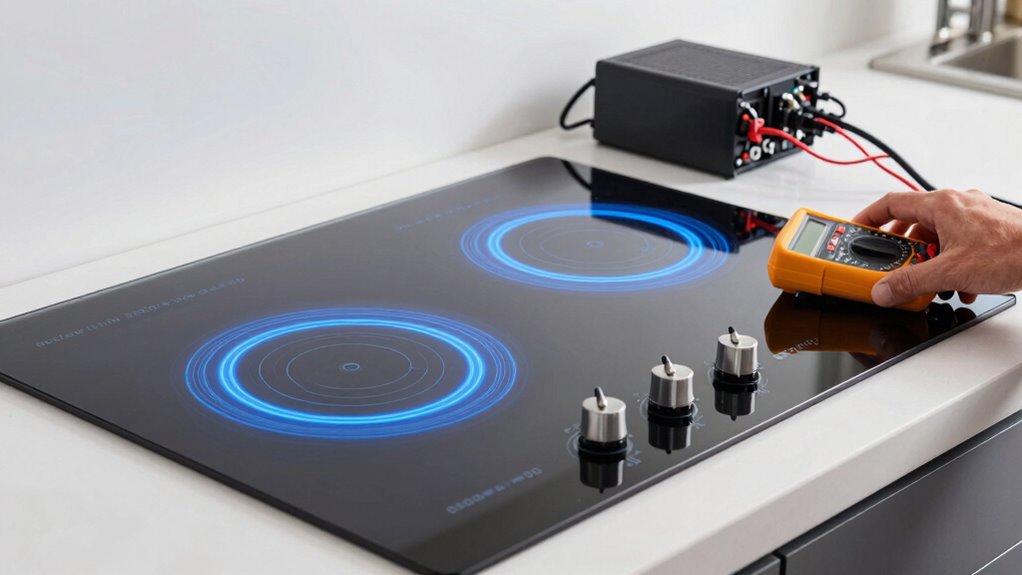
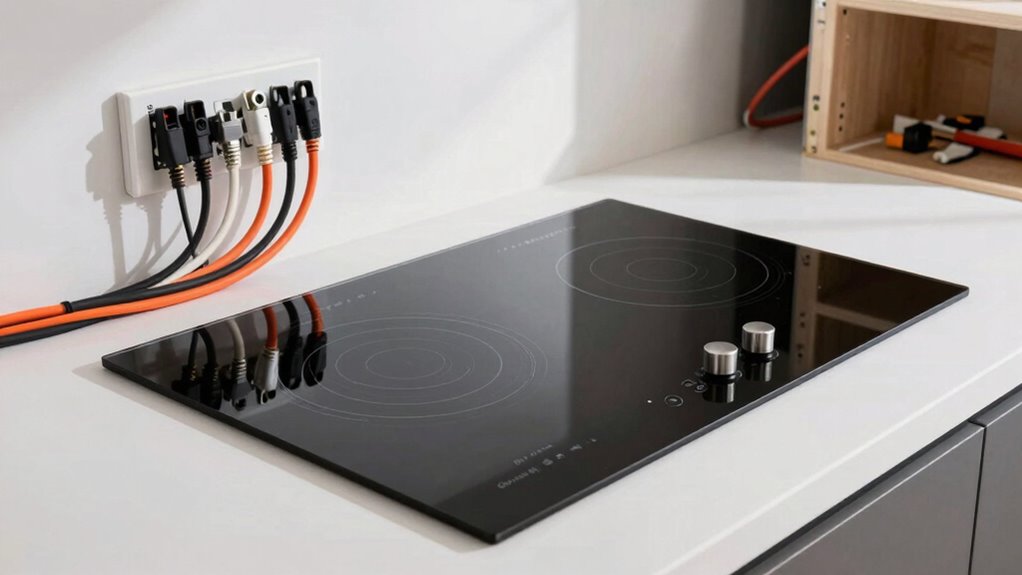
Are induction cooktops worth contemplating for your kitchen? If you’re debating whether to make the switch, it’s essential to understand the power requirements involved. Induction cooktops are known for their efficiency and rapid heating, but they also demand a different approach to power consumption and installation. Unlike traditional electric or gas stoves, induction models rely on electromagnetic fields to generate heat directly in the cookware. This technology requires a dedicated, high-capacity electrical circuit, often 40 to 50 amps, which can lead to significant installation challenges if your current wiring isn’t up to par.
Many homes, especially older ones, may have wiring that isn’t designed to support the high power load that induction cooktops demand. Upgrading your electrical system can be costly and time-consuming, often involving a licensed electrician to install a new circuit breaker and ensure your wiring can handle the load safely. This is where installation challenges come into play. You might find yourself faced with needing to rewire parts of your kitchen or upgrade your electrical panel, which can extend the installation process well beyond a simple plug-in setup. These challenges can be discouraging, especially if you weren’t prepared for the additional work and expense.
Power consumption is another critical factor to think about. While induction cooktops are more energy-efficient than traditional electric stoves, they still draw a significant amount of power when in use. The rapid heating and precise temperature control mean they often operate at high wattages, which can spike your energy bills if used extensively. However, because induction heats cookware directly, it tends to use energy more efficiently, translating to faster cooking times and less wasted heat. Still, the overall power consumption must be balanced against your home’s electrical capacity. If your household already draws near its maximum load during peak times, adding an induction cooktop could push you over the limit, leading to frequent breaker trips or the need for electrical upgrades.
induction cooktop electrical wiring kit
As an affiliate, we earn on qualifying purchases.
As an affiliate, we earn on qualifying purchases.
Frequently Asked Questions
How Do Induction Cooktops Compare to Traditional Electric Stoves?
You’ll find induction cooktops faster than traditional electric stoves when it comes to cooking speed, thanks to their efficient heat transfer. They also offer precise temperature control, allowing you to adjust heat instantly for perfect results. Unlike electric stoves, induction surfaces heat up quickly and cool down just as fast, giving you better control and efficiency. This makes cooking more responsive and enjoyable, especially for delicate dishes requiring exact temperature adjustments.
Can Induction Cooktops Be Installed Outdoors?
You can install induction cooktops outdoors, but you need to take weatherproofing considerations carefully. Make certain the unit is rated for outdoor use, with proper sealing against moisture, dust, and temperature fluctuations. Protect the cooktop from direct exposure to rain and harsh sunlight, and install it in a sheltered area if possible. Proper outdoor installation extends your cooktop’s lifespan and maintains safety, making your outdoor cooking more enjoyable and worry-free.
What Safety Features Are Common on Induction Cooktops?
You’ll find safety sensors and a child lock on most induction cooktops. Safety sensors detect overheating or pot removal, automatically shutting off the heat to prevent accidents. The child lock keeps children from accidentally activating the cooktop, ensuring safety in your kitchen. These features help you cook confidently, knowing the appliance has built-in protections to prevent mishaps and keep your household safe.
Are There Specific Cookware Requirements for Induction Cooking?
Cookware compatibility is vital for induction cooking because it relies on magnetic properties. You need to use pots and pans that are ferrous—meaning they attract a magnet—to guarantee efficient energy transfer. Non-magnetic materials like glass, aluminum, or copper won’t work unless paired with a magnetic base. So, before you cook, test your cookware with a magnet to confirm it’s compatible, making sure your induction experience is smooth, swift, and safe.
How Energy-Efficient Are Induction Cooktops in Real-World Use?
You’ll find that induction cooktops are highly energy-efficient in real-world use, thanks to quick heat transfer and precise control. This leads to significant energy savings because less heat is wasted. Plus, their efficiency reduces environmental impact by lowering your overall energy consumption. You’ll notice faster cooking times and lower utility bills, making induction a smart choice for eco-conscious households seeking both convenience and sustainability.
Conclusion
Induction cooktops are a blazing fast, efficient symphony in your kitchen, but their power needs can feel like a thunderstorm waiting to strike. Don’t let the electrical requirements catch you off guard—prepare your home’s wiring as if you’re taming a wild stallion. When everything aligns, you’ll enjoy a kitchen that roars to life with the touch of a button. Embrace the challenge, and watch your culinary dreams ignite into a fiery masterpiece.
Halloween Picks
halloween
As an affiliate, we earn on qualifying purchases.