To avoid hot spots in your restaurant, don’t place mini splits near direct sunlight, drafts, or obstructions that disrupt airflow. Avoid positioning units where they blow directly on guests or too close to heat sources like ovens and grills. Confirm there’s enough space around each unit for proper airflow and easy maintenance. Proper placement helps create even cooling and reduces energy waste. Keep these tips in mind to prevent common mistakes that can impact comfort and efficiency. More details await those who continue.
Key Takeaways
- Installing mini splits near heat sources or direct sunlight can cause uneven cooling and hot spots.
- Positioning units too close to walls or obstructions disrupts airflow, leading to localized temperature variations.
- Placing units without considering customer seating areas may result in drafts and discomfort.
- Failing to allocate sufficient space around indoor units hampers airflow and maintenance access.
- Ignoring the restaurant layout and heat sources during placement increases the risk of hot spots and inefficiency.

Mini splits are transforming how restaurants manage their climate control, offering a flexible and energy-efficient solution for maintaining comfortable environments. These systems allow you to target specific areas, making it easier to keep customers comfortable without wasting energy on unoccupied spaces. However, despite their advantages, improper placement can lead to hot spots that compromise comfort and efficiency. Understanding where and how to install your mini splits is essential to maximize energy efficiency and control installation costs effectively.
Proper placement of mini splits ensures energy efficiency, comfort, and cost savings in your restaurant.
When you place mini splits incorrectly, you risk creating uneven cooling, which results in hot spots. These are areas where the temperature remains higher than desired because the airflow isn’t properly directed or the unit isn’t positioned appropriately. Hot spots can make guests uncomfortable and force you to run your units longer, which defeats the purpose of energy-efficient operation. To avoid this, you need to think carefully about placement—avoiding areas with direct sunlight, obstructions, or drafts that could disrupt airflow. Proper placement ensures the cool air circulates evenly, reducing the need for additional units or higher energy consumption. Additionally, considering the cost of installation and potential adjustments can help you plan more effectively.
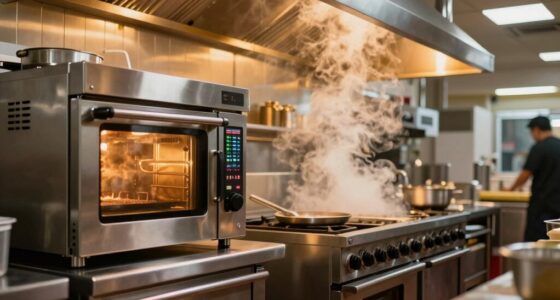
Installation costs are another vital consideration. While mini splits are generally more affordable and easier to install than traditional HVAC systems, poor placement can lead to increased expenses. For example, if you need to reposition units after initial installation due to hot spots, you’ll face additional labor and material costs. Investing time upfront to plan the best placement can save you money in the long run. Think about the layout of your restaurant, the locations of heat sources like ovens or grills, and the areas where customers spend most of their time. Proper placement minimizes the need for adjustments later, keeping installation costs down while ensuring the system operates efficiently.
You also want to factor in the airflow direction during installation. Positioning the indoor units so that airflow doesn’t directly hit customers or create drafts will help maintain a consistent temperature throughout the space. Additionally, placing units in areas with adequate space around them enhances airflow and makes maintenance easier, prolonging the lifespan of your system. Remember, the goal is to create a balanced environment where every corner of your restaurant receives appropriate cooling, eliminating hot spots and improving overall energy efficiency.
In essence, paying close attention to placement when installing mini splits is key to avoiding hot spots and controlling costs. Proper positioning ensures your system runs smoothly, consumes less energy, and provides a comfortable experience for your guests. Thoughtful planning upfront makes all the difference in leveraging the full benefits of mini split technology in your restaurant.
Frequently Asked Questions
How Do Mini Splits Impact Energy Efficiency in Restaurants?
Mini splits can boost your restaurant’s energy efficiency when you optimize airflow and address zoning challenges. Proper placement guarantees even cooling and heating, reducing energy waste. If you ignore zoning, some areas may become hot spots, forcing the system to work harder. By focusing on airflow optimization, you help maintain consistent temperatures, lowering energy consumption and costs while keeping your guests comfortable.
What Maintenance Is Required for Restaurant Mini Split Systems?
Think of your mini split system as a trusted ally like the legendary Icarus—requiring regular care to avoid pitfalls. You should perform routine maintenance tips like cleaning filters monthly, inspecting refrigerant levels, and ensuring coils are free of debris. These steps boost system longevity and efficiency. Regular check-ups prevent breakdowns, saving money and energy. Keep your mini split running smoothly by staying proactive—it’s the key to lasting comfort and performance.
Can Mini Splits Be Integrated With Existing HVAC Systems?
Yes, you can integrate mini splits with your existing HVAC system, but zoning challenges and retrofit considerations come into play. You’ll need to evaluate how the mini splits will work alongside your current system to avoid uneven heating or cooling. Proper planning guarantees seamless integration, so consult a professional to address zoning issues and determine the best retrofit approach. This way, you optimize energy efficiency and maintain consistent comfort throughout your restaurant.
Are Mini Splits Suitable for All Restaurant Sizes?
Mini splits aren’t suitable for all restaurant sizes because zoning challenges and installation limitations can turn them into a nightmare. If your restaurant’s layout is complex or spread out, mini splits may struggle to evenly cool or heat all areas. Large spaces or multiple zones demand more powerful systems. You’ll want to assess your specific needs carefully, as mini splits excel in small to medium setups but may fall short in bigger venues.
What Are the Cost Implications of Installing Mini Splits?
You’ll find that mini split installation has moderate costs, but a thorough cost analysis helps you comprehend the overall expenses. Installation expenses vary depending on your restaurant’s size and layout, including ductwork or modifications needed. While initial costs might seem higher than traditional units, energy savings can offset this over time. Planning carefully guarantees you stay within budget while enjoying efficient climate control, avoiding costly mistakes.
Conclusion
By paying close attention to your mini split placement, you can create a more comfortable dining environment where every guest feels perfectly at ease. Thoughtful positioning helps avoid those subtle uneven spots that might distract from a great meal. When you fine-tune your setup, you gently guide the airflow to embrace your space evenly, turning potential little hiccups into a seamless experience. In doing so, you craft a welcoming atmosphere where comfort flows as naturally as your service.