
Using the wrong voltage for your restaurant equipment can lead to costly problems like power surges, circuit overloads, and damage to sensitive components. These issues can cause operational disruptions, safety hazards, and expensive repairs or replacements. Properly matching voltage guarantees safety and efficiency while protecting your investment. If you want to avoid these risks and keep your restaurant running smoothly, understanding the correct electrical requirements is essential—and there’s more to learn about doing it right.

Get kitchen staples and gadgets delivered free with Prime
- Fast, free delivery on millions of items
- Prime Video, Amazon Music and more included
- Member-only deals all year
Key Takeaways
- Voltage mismatches can cause equipment damage, leading to costly repairs or replacements.
- Incorrect voltage supply reduces appliance efficiency and lifespan, increasing long-term operational costs.
- Power surges from voltage issues can fry sensitive components, risking expensive downtime.
- Circuit overloads from improper voltage can trip breakers, disrupting restaurant operations and causing safety hazards.
- Proper assessment and installation prevent legal issues and ensure compliance with safety standards.
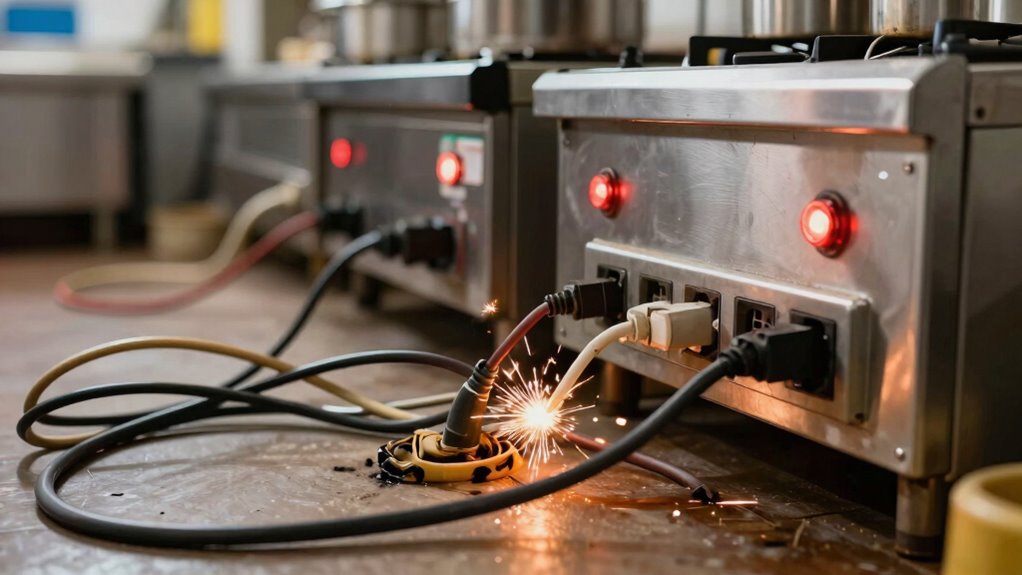
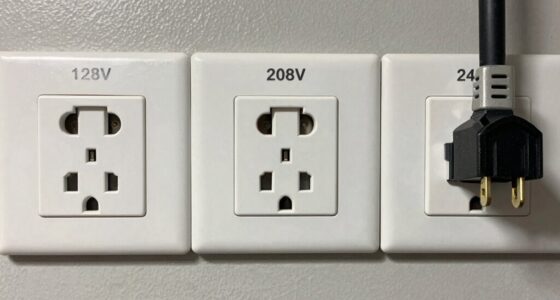
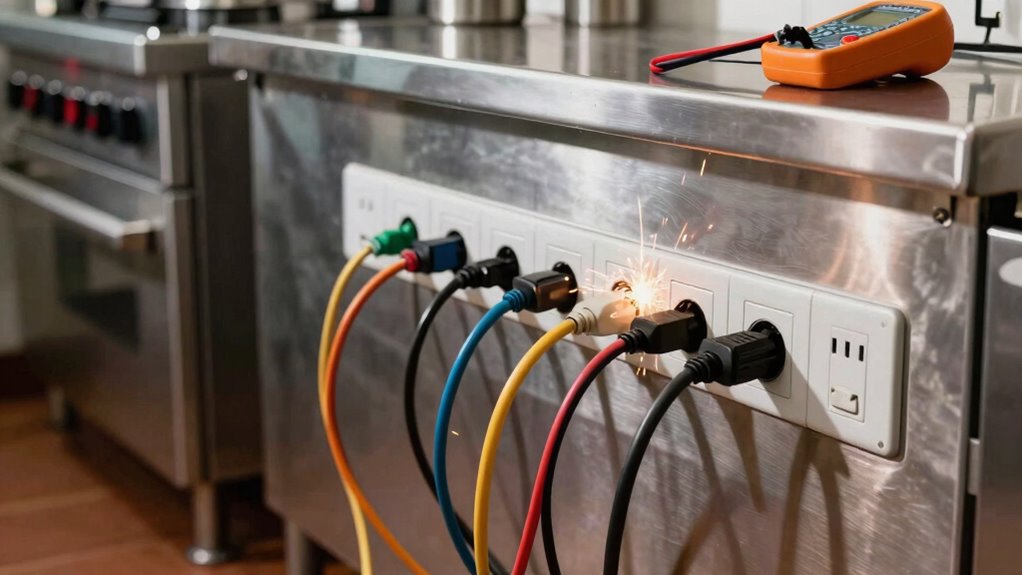
When setting up a restaurant, understanding the electrical requirements for your equipment is essential to guarantee safety and efficiency. One of the biggest mistakes you can make is ignoring the importance of matching the correct voltage with your appliances. When the voltage mismatch occurs, it leads to serious issues like power surges and circuit overloads, which can damage your equipment and cause costly downtime. Power surges happen when there’s an unexpected spike in electrical current, often resulting from faulty wiring or lightning strikes, but they can also stem from mismatched voltage supplies. If your equipment isn’t configured for the correct voltage, these surges can fry sensitive components, leading to expensive repairs or replacements. Circuit overloads are equally problematic, occurring when the electrical load exceeds the capacity of your circuits. If your wiring isn’t designed to handle the total load of all your appliances, it can cause circuit breakers to trip frequently, disrupting your operations and risking electrical fires. Proper assessment of voltage compatibility helps prevent these issues from the outset.
It’s imperative to properly assess the power requirements of each piece of equipment before installation. For example, commercial ovens, refrigeration units, and dishwashers often need specific voltage levels, and supplying them with improper voltage can result in inefficient operation or damage. Over time, running appliances on incorrect voltage can also decrease their lifespan, forcing you to replace costly equipment sooner than expected. To prevent these issues, you should work with a qualified electrician who understands restaurant electrical systems. They can evaluate your power supply, install dedicated circuits, and ensure each outlet matches the voltage requirements of your appliances. This careful planning minimizes the risk of power surges and circuit overloads, keeping your restaurant safe and operational. Additionally, understanding the electrical standards for restaurant equipment can help you stay compliant with local safety codes and regulations. Ensuring proper electrical safety measures**** are in place is crucial for avoiding both legal issues and potential hazards.
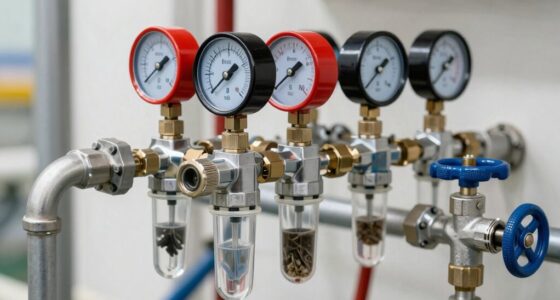
Furthermore, installing proper circuit breakers and surge protectors is vital. Surge protectors act as a barrier against sudden electrical spikes, shielding your equipment from damage. Meanwhile, appropriately rated circuit breakers prevent overloads by shutting off power when the circuit becomes overloaded, avoiding overheating or fires. Ignoring these safety measures not only endangers your staff and customers but also leads to expensive repairs that could have been easily prevented. Understanding the electrical requirements of your restaurant equipment is crucial for maintaining a safe and efficient operation.
As an affiliate, we earn on qualifying purchases.
Frequently Asked Questions
How Can I Tell if My Restaurant’s Voltage Matches Equipment Requirements?
You can determine if your restaurant’s voltage matches equipment requirements by checking the equipment labeling, which clearly states the needed voltage. Also, verify your power compatibility by comparing your electrical system’s specifications with those on the labels. If the voltage doesn’t match, you risk damaging your equipment or causing safety hazards. Always consult an electrician if you’re unsure, to make certain your power setup is correctly aligned with your equipment needs.
What Are the Risks of Using Incompatible Voltage Equipment?
Using incompatible voltage equipment is like fitting a square peg in a round hole—you risk severe damage. If your equipment isn’t voltage compatible, you could face costly power surges, which may fry motors, electronics, or wiring. It also increases the risk of equipment failure or fire hazards. Always verify voltage compatibility to keep your restaurant safe, operational, and avoid expensive repairs caused by mismatched power supplies.
Can Voltage Mismatches Cause Equipment to Operate Inefficiently?
Yes, voltage mismatches can cause your equipment to operate inefficiently. When there’s a mismatch, you may experience power fluctuations that disrupt normal functioning. These fluctuations can lead to circuit overloads, stressing your appliances and reducing their lifespan. Over time, this inefficiency increases energy costs and risks costly repairs. To keep your restaurant running smoothly, guarantee your equipment matches the recommended voltage, preventing power issues and maintaining peak performance.
How Often Should Electrical Systems Be Inspected for Voltage Issues?
You should inspect your electrical systems at least once a year to catch power fluctuation issues and circuit overloads early. Regular inspections help identify voltage mismatches that can cause equipment to malfunction or become damaged. If you notice frequent flickering lights or tripped breakers, schedule an inspection sooner. Staying proactive keeps your restaurant running smoothly, avoiding costly repairs and ensuring your equipment operates efficiently and safely.
What Steps Should I Take if I Suspect a Voltage Mismatch Problem?
If you suspect a voltage mismatch, act quickly—about 80% of electrical fires start from wiring issues. First, turn off the affected equipment to guarantee electrical safety. Then, check power compatibility by consulting your equipment’s specs and your breaker panel. Contact a licensed electrician to perform a thorough inspection and fix any wiring or voltage issues. This guarantees safety and prevents costly damage to your restaurant’s equipment.
Conclusion
Ensuring your restaurant’s equipment matches the correct voltage isn’t just a technical detail; it’s an essential step that can save you from costly repairs and downtime. When your appliances align perfectly with your electrical system, everything runs smoothly—no surprises, no interruptions. It’s almost like the universe conspired to keep your kitchen operating flawlessly. Double-checking voltage compatibility might seem small, but it’s the coincidence that keeps your restaurant humming without unexpected expenses or stress.
Fall Picks
fall essentials
As an affiliate, we earn on qualifying purchases.