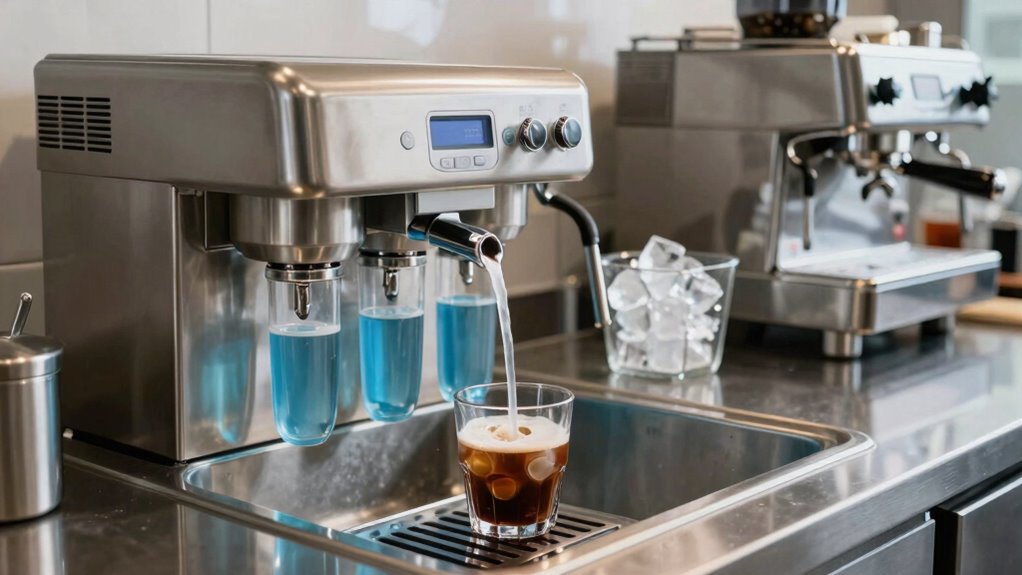

Using a proper water filtration system helps protect your ice, coffee, and equipment by removing contaminants that cause buildup, corrosion, and off-flavors. It guarantees your water quality stays high, preventing damage and reducing repair costs. Smooth operation and consistent product quality depend on well-maintained filters that extend equipment life. Since clean water also enhances taste and safety, continuing further will reveal key tips to optimize your filtration setup and safeguard your investment.
Open a free Amazon Business account
Business pricing, bulk buying and tax-exempt orders.
As an affiliate, we earn on qualifying purchases.
Key Takeaways
- Proper filtration prevents mineral buildup and clogs, protecting ice machines, coffee brewers, and other equipment.
- Regular maintenance of filtration systems ensures optimal performance and extends equipment lifespan.
- Removing contaminants improves the taste and clarity of ice and coffee, enhancing customer satisfaction.
- Well-maintained filters reduce the risk of costly repairs caused by corrosion and sediment damage.
- Efficient filtration minimizes water waste and chemical use, supporting sustainable restaurant operations.
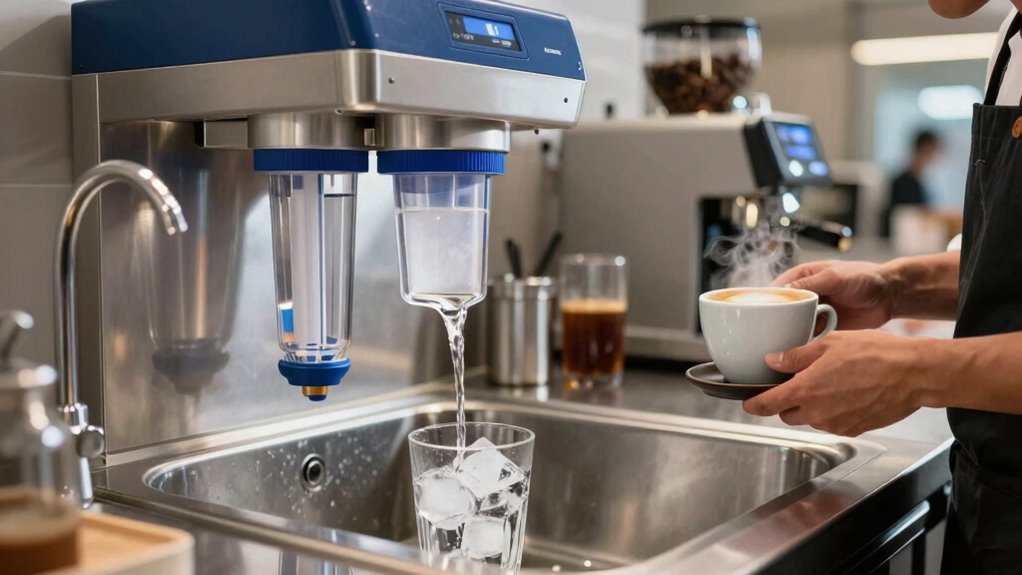
Have you ever considered how crucial clean water is to a restaurant’s success? It’s more than just a resource; it’s a key ingredient that impacts everything from the taste of your coffee to the clarity of your ice and the longevity of your equipment. The quality of water you use directly influences your customers’ experience and your operational costs. That’s where a reliable restaurant water filtration system becomes necessary. Proper water quality isn’t just about taste—it’s about safety, cleanliness, and equipment performance. When you invest in a good filtration system, you’re guaranteeing that your water is free from contaminants like chlorine, sediment, and minerals that can cause buildup or corrosion over time.
Clean water is essential for taste, safety, and equipment longevity in your restaurant.
Maintaining your filtration system is crucial to keeping water quality at its best. Regular filtration maintenance not only prolongs the lifespan of your filters but also guarantees that your water remains pure and safe for daily use. Neglecting this step can lead to clogged filters, inconsistent water flow, and compromised water quality, which could affect everything from brewing your coffee to producing ice for customers. You should schedule routine checks and filter replacements based on the manufacturer’s recommendations. This simple step prevents the buildup of impurities and ensures your system performs efficiently, saving you money in the long run. Additionally, understanding water quality standards helps you better evaluate your filtration needs and ensure compliance with health regulations. Proper filtration practices are also a key part of maintaining health and safety compliance in your establishment. Incorporating water testing into your routine can help detect issues early and ensure your water consistently meets safety benchmarks.
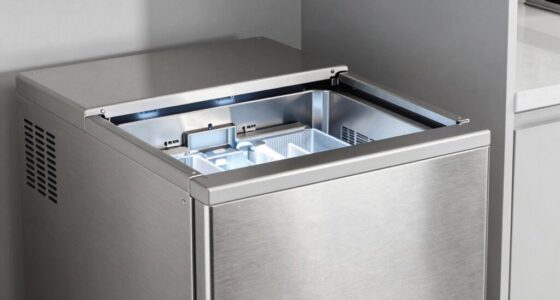
A well-maintained filtration system also minimizes the risk of equipment damage caused by mineral deposits or corrosion, saving you costly repairs. When your water quality is compromised, it can lead to cloudy ice, off-flavors in beverages, and mineral deposits on your appliances. These issues not only diminish the quality of your offerings but can also cause costly damage to equipment over time. For example, mineral buildup in coffee machines or ice makers can lead to frequent repairs or replacements. A well-maintained filtration system acts as a safeguard, removing impurities before they reach your equipment. This helps maintain essential performance, reduces downtime, and extends the life of your appliances. Proper filtration also supports equipment longevity by reducing wear and tear caused by contaminants. Plus, filtered water improves the overall taste and appearance of your drinks, leading to happier customers and better reviews.
In addition to protecting your equipment, good filtration practices contribute to a healthier environment by reducing the need for harsh cleaning chemicals and preventing water waste caused by inefficient appliances. When you consistently monitor and maintain your filtration system, you’re investing in the long-term success of your restaurant. Clean, filtered water enhances every aspect of your operation, from the quality of your beverages to the durability of your equipment, ensuring your restaurant runs smoothly and efficiently day after day.
restaurant water filtration system
As an affiliate, we earn on qualifying purchases.
As an affiliate, we earn on qualifying purchases.
Frequently Asked Questions
How Often Should Filters Be Replaced in Restaurant Water Systems?
You should replace filters in your restaurant water system every 6 to 12 months, depending on water quality and usage. Regular filter maintenance guarantees peak performance, preventing impurities from affecting ice, coffee, and equipment. Keep an eye on your system’s indicator lights or pressure gauges, and follow manufacturer recommendations. Consistent filter replacement sustains water quality, extends equipment life, and keeps your restaurant running smoothly.
Are There Specific Filtration Types for Different Restaurant Needs?
Yes, there are specific filtration types designed for different restaurant needs. You should choose filters based on filtration efficiency to effectively remove contaminants like chlorine, sediments, or bacteria. Additionally, consider equipment compatibility to guarantee the filter works seamlessly with your appliances, such as ice machines or coffee brewers. Selecting the right filtration type helps maintain water quality, enhances equipment longevity, and ensures your customers get the best tasting beverages.
What Are the Cost Implications of Installing Advanced Filtration Systems?
Installing advanced filtration systems involves upfront costs, but you’ll see significant cost savings over time through reduced equipment maintenance and lower replacement expenses. These systems protect your ice machines, coffee brewers, and other equipment, extending their lifespan and ensuring quality. The investment benefits include improved product consistency and customer satisfaction. While initial expenses can be higher, the long-term savings and operational efficiencies make advanced filtration a smart, cost-effective choice for your restaurant.
Can Filtration Systems Remove All Types of Contaminants?
Filtration systems can’t remove all types of contaminants because of their filtration limits. They effectively target common issues like sediments, chlorine, and bacteria, but might struggle with dissolved chemicals or viruses. You should understand the specific contaminant types present in your water source to choose the right system. While advanced filters improve water quality, they have their limits, so regular testing and maintenance are essential for maximum protection.
How Do Filtration Systems Impact Energy Consumption in Restaurants?
Imagine a restaurant installing advanced filtration to improve water quality; this can actually boost energy efficiency by reducing mineral buildup in appliances. Filtration systems often reduce the need for machine cleaning and maintenance, saving energy over time. By ensuring clean water, you minimize equipment strain and extend operational life, leading to lower energy consumption. Overall, these systems help your restaurant run more efficiently, conserving energy while maintaining exceptional water quality.
Conclusion
Investing in a quality water filtration system isn’t just about better-tasting ice and coffee; it’s about safeguarding your equipment and ensuring your customers get the best experience. Some believe filtered water even boosts the longevity of your appliances, reducing costly repairs. While science backs the benefits of removing impurities, the real truth is that a smart filtration system can elevate your restaurant’s efficiency and reputation—making it a win-win for your business.
Fall Picks
fall essentials
As an affiliate, we earn on qualifying purchases.