
To manage restaurant equipment energy costs effectively, don’t just rely on initial specs. Focus on actual energy consumption, operational practices, and maintenance. Ask vendors for real-world data, compare efficiency ratings like Energy Star, and consider how all systems work together. Proper usage and ongoing monitoring can reveal savings opportunities and prevent waste. Keep exploring these strategies to discover true efficiency and long-term cost benefits.

Get kitchen staples and gadgets delivered free with Prime
- Fast, free delivery on millions of items
- Prime Video, Amazon Music and more included
- Member-only deals all year
Key Takeaways
- Evaluate actual energy consumption data from vendors rather than relying solely on specifications.
- Consider long-term operational costs and potential savings when choosing energy-efficient equipment.
- Implement system-wide energy management strategies to optimize overall appliance and system efficiency.
- Train staff on proper usage and maintenance to reduce unnecessary energy waste.
- Continuously monitor energy performance to identify inefficiencies and guide future upgrades.
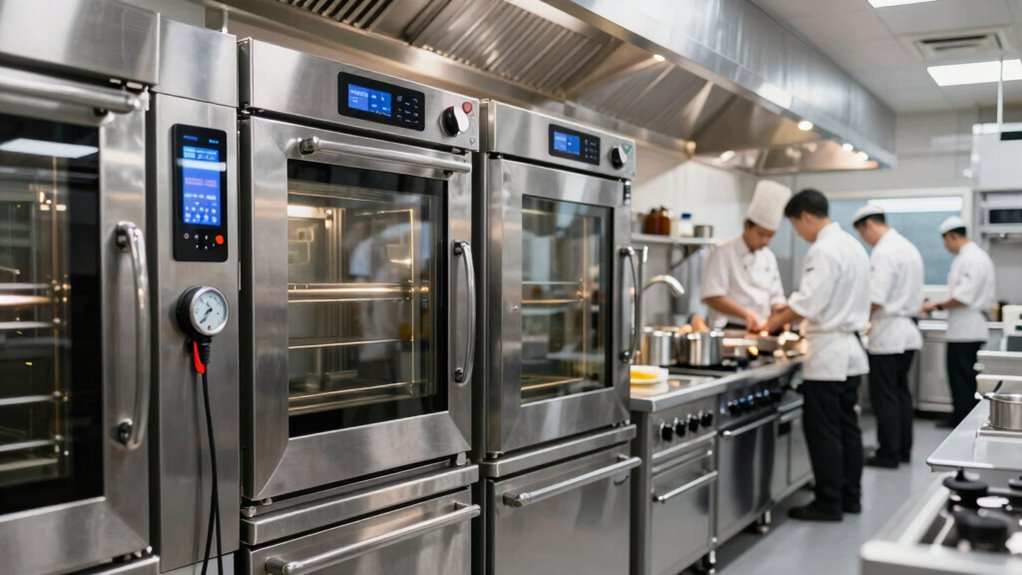
Managing energy costs in restaurant equipment is essential for maintaining profitability and efficiency. When you’re choosing new appliances or upgrading existing ones, it’s tempting to focus solely on the initial specifications and purchase price. However, it’s vital to think beyond that first sheet—consider how the equipment impacts your ongoing utility costs. Energy efficient upgrades can substantially reduce your monthly bills and improve your bottom line over time. Instead of just evaluating upfront costs, you should also assess the long-term savings and overall energy consumption associated with each piece of equipment.
Effective utility cost management starts with understanding how different appliances consume energy. High-efficiency models might cost more initially, but they offer notable savings through lower operating costs. Look for equipment with Energy Star ratings or equivalent certifications, as these are designed to run more efficiently and consume less power or fuel. Keep in mind that energy-efficient upgrades aren’t limited to major appliances—smaller equipment like refrigerators, dishwashers, and even lighting can contribute to overall savings.
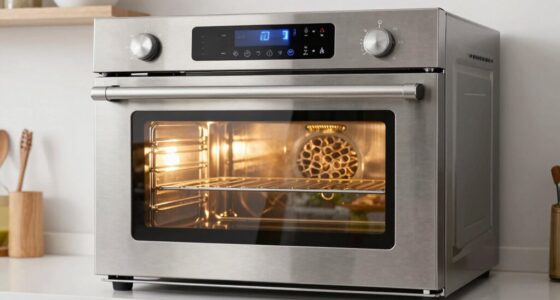
High-efficiency appliances with Energy Star ratings reduce energy costs across all equipment types.
When you’re making purchasing decisions, don’t just rely on the specifications listed on the sheet. Ask vendors about real-world energy consumption data and operational costs. Sometimes, an appliance with a slightly higher price tag can pay for itself within a few years thanks to reduced utility bills. Additionally, consider how the equipment will be used in your restaurant’s workflow. Proper usage and maintenance can dramatically influence actual energy consumption, so implement staff training on best practices for operating equipment efficiently.
Beyond individual appliances, think about how your entire energy system works together. Incorporating energy-efficient upgrades can involve installing variable speed drives, programmable timers, or energy management systems that optimize usage based on demand. These measures help you control costs, prevent waste, and extend the lifespan of your equipment. Monitoring and analyzing your energy data regularly allows you to identify inefficient practices and make informed adjustments to further reduce costs. Implementing energy management strategies can significantly improve your overall energy efficiency. When you actively monitor and manage your utility consumption, you gain better insight into which upgrades deliver the best return on investment. Additionally, understanding the impact of equipment operation on overall energy use can guide future improvements and upgrades, leading to more sustainable and cost-effective operations.
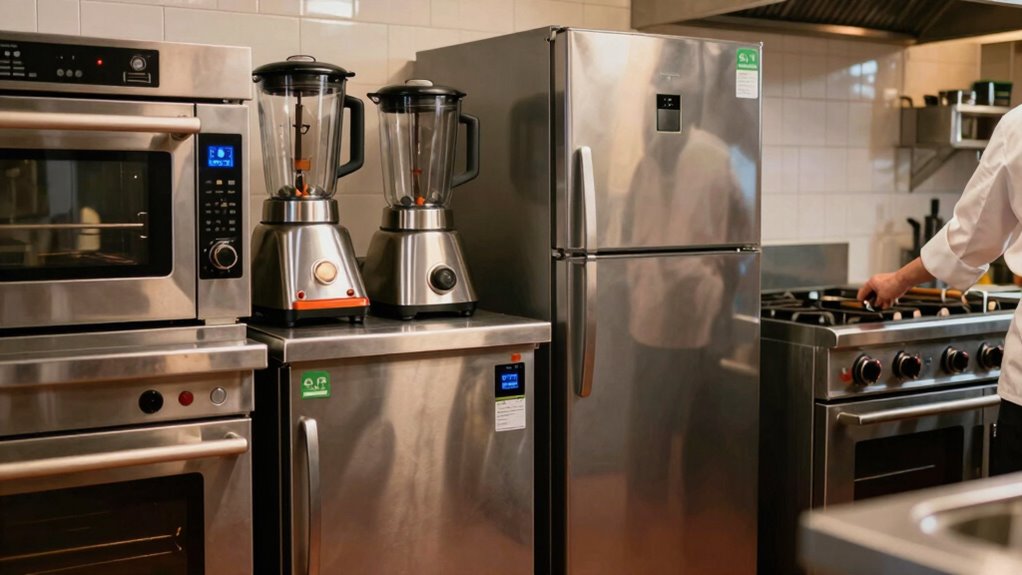
Energy Star rated commercial refrigerator
As an affiliate, we earn on qualifying purchases.
As an affiliate, we earn on qualifying purchases.
Frequently Asked Questions
How Can I Compare Energy Efficiency Between Different Restaurant Equipment Brands?
To compare energy efficiency between brands, focus on efficiency metrics like energy consumption per use or capacity. Look for independent ratings or certifications, such as ENERGY STAR, to gauge true efficiency. Conduct brand comparisons by reviewing user reviews and case studies. Don’t just rely on spec sheets; consider operational costs and maintenance, as these impact overall energy savings. This helps you choose equipment that offers long-term energy efficiency and cost benefits.
What Are the Long-Term Savings of Energy-Efficient Kitchen Appliances?
You’ll see significant long-term savings with energy-efficient kitchen appliances through reduced energy bills and lower maintenance costs. By conducting a thorough cost analysis, you can compare upfront costs against ongoing energy savings. Over time, these appliances often pay for themselves, providing better return on investment and decreasing your restaurant’s carbon footprint. The key is to evaluate both immediate expenses and the cumulative energy savings over the lifespan of your equipment.
How Do Maintenance Routines Impact Equipment Energy Consumption?
Regular maintenance routines can reduce energy consumption by up to 15%, markedly impacting your costs. When you stick to proper maintenance schedules, you guarantee equipment operates efficiently, which extends its lifespan and prevents energy waste caused by dirty filters or worn-out parts. By proactively maintaining your kitchen equipment, you optimize energy use, lower operating costs, and keep your appliances running smoothly for years to come.
Are There Government Incentives for Upgrading to Energy-Efficient Restaurant Equipment?
Yes, there are government incentives for upgrading to energy-efficient restaurant equipment. You can often access government rebates or policy incentives designed to encourage sustainability. These programs help offset the initial costs of eco-friendly appliances, making upgrades more affordable. To take advantage, research local and federal programs, and guarantee your equipment meets specified energy standards. Doing so not only reduces your energy bills but also supports environmental responsibility.
How Does Usage Frequency Affect the Overall Energy Costs of Equipment?
Your usage patterns directly influence your equipment’s energy costs. Frequent use increases overall consumption, while sporadic use lowers it. Monitoring energy usage helps you identify high-consuming equipment and optimize schedules. By tracking energy consumption with energy monitoring tools, you can adjust usage patterns, reduce waste, and lower costs over time. Staying aware of how often equipment runs empowers you to make smarter decisions for energy efficiency and cost savings.
Conclusion
Thinking beyond the initial specs can save you a lot on energy costs in the long run. By choosing energy-efficient equipment and understanding your usage patterns, you’re not just saving money—you’re also supporting sustainability. Are you ready to make smarter choices that benefit your bottom line and the environment? Remember, the right equipment isn’t just about upfront costs; it’s about the ongoing savings and efficiency that truly matter.
Halloween Picks
halloween
As an affiliate, we earn on qualifying purchases.