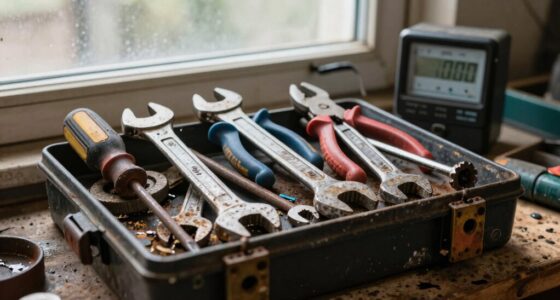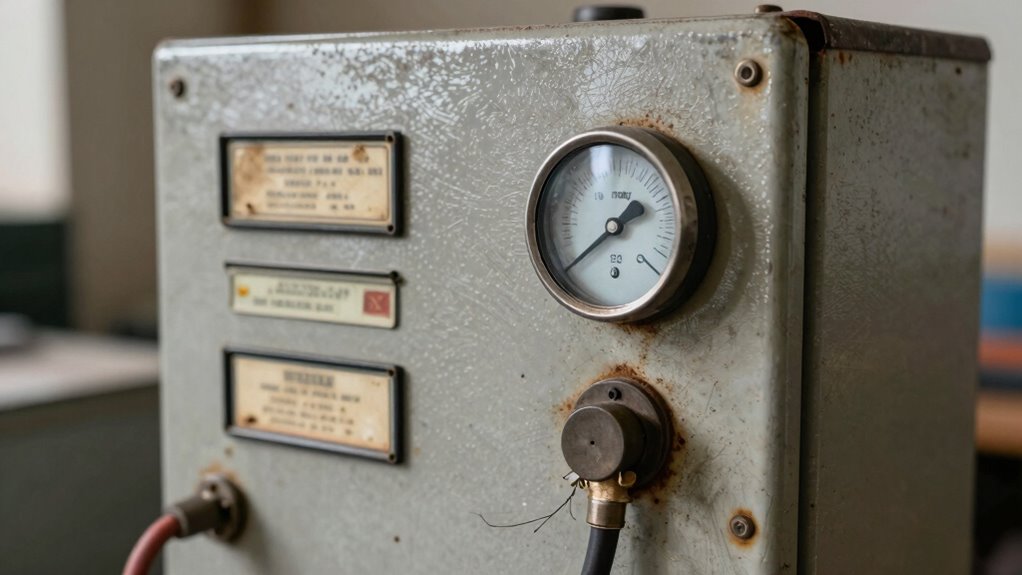

Before saying yes to used equipment, thoroughly evaluate its condition, safety features, and operational history. Conduct a visual inspection for rust, cracks, or damage, and test all safety devices to verify they work properly. Review maintenance records for signs of regular care, and listen for unusual sounds or vibrations during operation. If you keep exploring, you’ll uncover even more key tips to help you make a confident, well-informed decision.

Get kitchen staples and gadgets delivered free — and shop member deals
- Fast, free delivery on millions of items
- Access to Prime Big Deal Days deals on October 6–7
- Prime Video, Amazon Music and more included
Key Takeaways
- Conduct a thorough maintenance checklist review, focusing on hydraulic, electrical, moving parts, and structural components.
- Verify safety features such as guards, alarms, and emergency stops are functional and intact.
- Examine operational history and performance data for signs of regular maintenance or neglect.
- Perform visual and structural inspections for rust, cracks, corrosion, or bent parts affecting safety and durability.
- Consult industry standards and consider expert input for a comprehensive evaluation of the equipment’s condition.
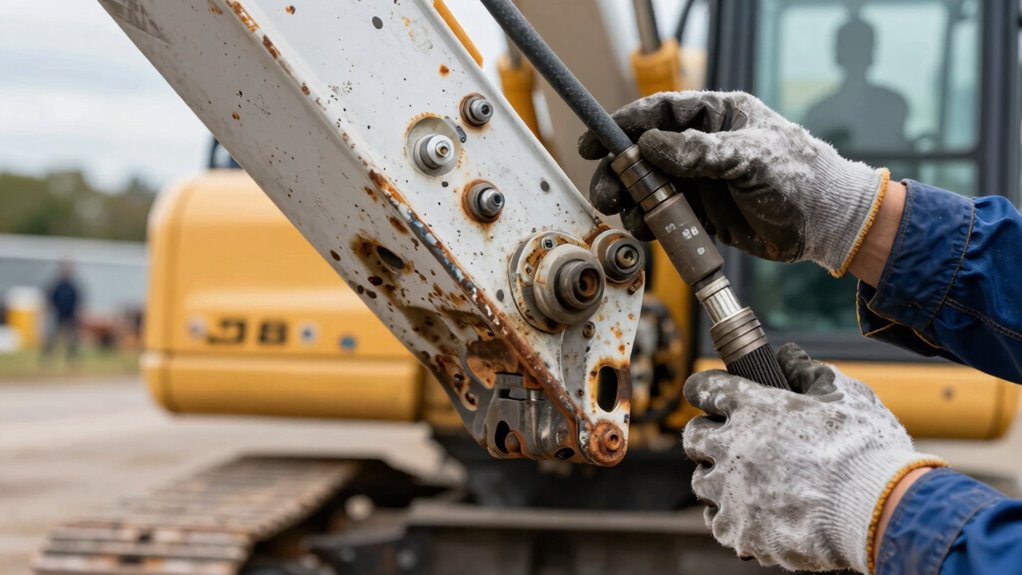
Inspecting used equipment is a crucial step to guarantee you’re making a safe and informed purchase. When you’re evaluating equipment, it’s essential to have a thorough process in place so you don’t overlook critical issues that could lead to costly repairs or safety hazards down the line. Starting with a maintenance checklist can help you systematically assess the equipment’s condition. This checklist should include key components like hydraulic systems, electrical wiring, moving parts, and structural integrity. By methodically going through each item, you ensure that nothing gets missed, giving you a clearer picture of the equipment’s true state.
Using a detailed checklist ensures a thorough, safe evaluation of used equipment.
Safety considerations should be at the forefront of your inspection. Equipment that hasn’t been properly maintained or shows signs of damage can pose serious risks during operation. Look for leaks, corrosion, or worn-out components that might compromise safety. Check safety guards, emergency stops, and warning labels to make sure they’re intact and functional. If anything is missing or damaged, factor in the cost of repairs or replacements before making a decision. Remember, safety isn’t just about compliance; it’s about protecting yourself, your team, and your investment.
While going through the maintenance checklist, pay close attention to the operational history if available. Ask the seller for maintenance records or service logs. Regular maintenance indicates proper care, which often translates to better reliability. Conversely, irregular or incomplete records might suggest neglect or hidden issues. During your inspection, test the equipment if possible. Run it through its typical functions to observe how it performs. Listen for unusual sounds, check for excessive vibrations, and note any irregularities. These signs can often reveal underlying problems that aren’t immediately visible. Additionally, understanding the importance of proper maintenance can help you assess the equipment’s overall reliability and longevity.
Don’t forget to examine the overall condition of the equipment’s frame and structural components. Rust, cracks, or bent parts can compromise safety and durability. It’s also wise to verify that safety features like alarms, guards, and sensors are working correctly. If you’re unsure about certain aspects, consider bringing in an expert or mechanic experienced with that type of equipment. Their insights can help you identify potential issues you might miss as a non-specialist. Furthermore, a comprehensive inspection process ensures you’re making a well-informed decision, reducing the risk of future surprises. Paying attention to inspection techniques and industry standards can further enhance your evaluation. Conducting a thorough inspection aligns with industry best practices and helps you recognize signs of poor maintenance early on, preventing costly repairs later.
As an affiliate, we earn on qualifying purchases.
Frequently Asked Questions
How Do I Verify Equipment Ownership and History?
You verify equipment ownership and history by reviewing ownership documentation like titles, registration papers, and bills of sale. Check historical records such as maintenance logs, service histories, and previous ownership details to guarantee transparency. Contact relevant authorities or previous owners if necessary. Confirming these documents and records helps ensure you’re buying legitimate equipment, avoiding theft or disputes, and understanding its past usage and condition before making a purchase decision.
What Are Common Hidden Damages to Look For?
Think of hidden damages like iceberg tips—they hide beneath the surface. When inspecting used equipment, look for cracks in welds, corrosion, or unusual wear on moving parts. Check for fluid leaks and test for unusual noises during operation. These hidden damages can cause costly failures. Use thorough inspection tips, like examining joints and internal components, to uncover issues before you commit, ensuring your investment is solid and safe.
How Do I Assess the Equipment’s Operational Condition?
To assess the equipment’s operational condition, start by reviewing its maintenance records for consistency and recent service. Perform operational testing to see if it runs smoothly, checking for unusual noises, vibrations, or leaks. Observe how it responds during use, ensuring controls function properly and it performs its intended tasks effectively. These steps give you a clear picture of its current state and help you make an informed decision.
What Safety Features Should I Inspect?
You should inspect safety features like safety gear to guarantee it’s in good condition and easily accessible. Check emergency systems such as alarms, shut-offs, and fire suppression devices to verify they function properly. Make sure safety guards are intact and that safety instructions are visible. Testing emergency systems confirms they’ll work when needed. Prioritize these features to keep yourself safe and compliant before making a purchase.
How Can I Determine the True Value of Used Equipment?
Think of determining the true value like steering a ship through fog—clarity comes from research. You compare pricing benchmarks and study current market trends, which act as your lighthouse. Get multiple quotes, check the equipment’s condition, and consider its age and maintenance history. This approach helps you avoid overpaying and guarantees you anchor at a fair price, making your investment a steady voyage rather than a gamble.
Conclusion
Before you commit, remember that inspecting used equipment is like peering beneath a polished surface — what you see isn’t always what’s beneath. A thorough check reveals hidden issues, much like noticing cracks in a seemingly solid wall. Skipping these steps can lead to costly surprises, turning your investment into a headache. So, take your time, ask questions, and don’t rush the process. Your careful eye now saves you trouble later.
NFL season / tailgating Picks
team gear
As an affiliate, we earn on qualifying purchases.