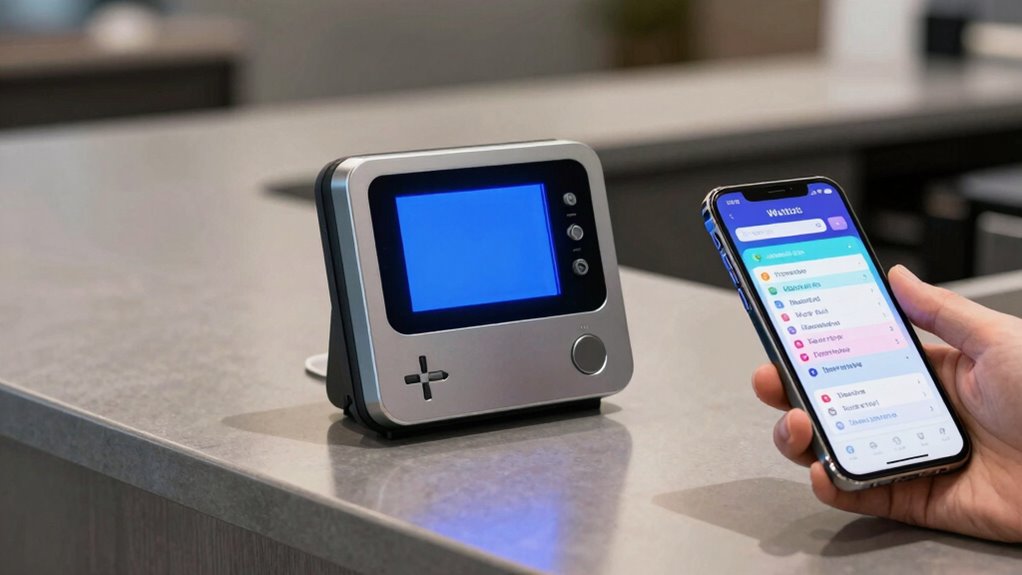
Pager systems help you manage waitlists more smoothly by instantly notifying customers when their table is ready, reducing stress and perceived wait times. They allow your guests to relax elsewhere, explore nearby shops, or enjoy a coffee without feeling anxious. This technology streamlines communication among your staff and improves customer satisfaction. Implementing a pager system transforms the dining experience into a more welcoming and efficient process. Keep going to discover how these systems can elevate your restaurant’s service even further.
Key Takeaways
- Pager systems quickly notify customers when their table is ready, reducing perceived wait times and stress.
- They enable customers to relax elsewhere, creating a more positive wait experience.
- Instant communication between staff and guests streamlines service and minimizes confusion.
- Integration with reservation systems improves operational efficiency and waitlist management.
- Overall, pagers enhance customer satisfaction, loyalty, and positive reviews by making waits feel shorter and more comfortable.

Pager systems are communication devices that quickly transmit messages to individuals in various settings, from hospitals to emergency services. When it comes to restaurants, these systems can be game-changers, especially in managing waitlists. Instead of having customers stand around or constantly check their phones for updates, you can use pagers to notify them when their table is ready. This simple shift not only streamlines operations but also enhances your restaurant’s efficiency. Customers appreciate the convenience of being free to explore nearby shops or relax without feeling pressured to stay close by. As a result, wait times seem shorter and less stressful, which directly boosts customer satisfaction.
Imagine a busy Saturday night. Guests arrive, and instead of crowding around the host stand, they’re handed a pager. They can comfortably wait across the street or sip coffee at a nearby café. When their table is ready, your staff simply send a quick signal to the pager, and customers are promptly notified. This process minimizes confusion, prevents overcrowding at the entrance, and makes the overall dining experience smoother. Customers feel valued because their time is respected, and they’re kept informed without constant check-ins. That feeling of being well-cared for encourages positive reviews and repeat visits, fueling your restaurant’s reputation.
Pager systems also help staff stay organized. With clear, instant communication, your team can focus on delivering quality service rather than managing chaotic waitlists. When customers are notified promptly, it reduces frustration and impatience, leading to better interactions and a more welcoming atmosphere. It’s a simple technology that makes a big difference in how your restaurant operates, especially during peak hours. Furthermore, these systems are flexible enough to integrate with existing reservation or management software, giving you even better control over your seating flow. Additionally, as the European cloud servers promote secure and reliable data management, integrating such systems can enhance operational safety and scalability.
In the end, the goal is to create a seamless experience that keeps your customers happy and your restaurant running efficiently. Pager systems serve as the script that makes waitlists feel shorter, transforming what could be a stressful wait into a manageable and even enjoyable part of the dining experience. When your customers are kept in the loop and feel taken care of, they leave happier and more likely to recommend your place. That’s the power of a well-implemented pager system — it’s not just about technology; it’s about elevating customer satisfaction through smarter, more considerate service.
Frequently Asked Questions
How Secure Are Pager Communication Networks?
Pager communication networks are generally secure thanks to strong encryption protocols that protect messages from eavesdropping. However, you should be aware of potential network vulnerabilities, such as outdated encryption methods or insecure Wi-Fi connections, which can compromise security. To stay safe, verify your pager system uses up-to-date encryption protocols and regularly updates software to minimize risks from network vulnerabilities.
Can Pager Systems Integrate With Modern Mobile Apps?
Yes, pager systems can integrate with modern mobile apps. For example, a hospital might use a pager system that connects seamlessly with a mobile app, allowing staff to receive push notification compatibility and respond instantly. This integration enhances communication efficiency, reduces response times, and improves overall workflow. By linking pagers with mobile apps, you guarantee real-time updates and better coordination, making your system more adaptable to today’s tech-driven environment.
What Is the Typical Battery Life of a Pager Device?
You can expect a pager device’s battery life to last about 1 to 2 weeks with typical use. Its battery longevity depends on effective power management features, which optimize energy consumption. Many pagers have energy-saving modes that extend usage between charges. To guarantee continuous operation, it’s essential to monitor battery levels regularly and enable power management settings, maximizing the device’s lifespan and reducing the need for frequent recharging.
Are Pager Systems Cost-Effective for Small Businesses?
You’ll find pager systems cost-effective for small businesses because they offer a clear cost comparison to other communication tools and are easy to scale as your business grows. Their affordability, combined with scalability options, makes them a practical choice for improving customer service and internal communication without breaking the bank. Plus, their simplicity means you’ll save on training and maintenance costs, making them a smart investment.
How Do Pager Systems Handle High-Volume Queuing?
When handling high-volume queuing, pager systems excel at managing chaos seamlessly. You quickly see how effective queue management boosts customer satisfaction, even during busy times. The system assigns pagers efficiently, reducing crowding and wait times. This real-time communication keeps customers informed and engaged, preventing frustration. So, you maintain smooth operations and happy customers, all without overloading your staff or sacrificing service quality.
Conclusion
Imagine waiting in line, feeling like time drags on forever. Now, picture a pager system as your personal time traveler, shrinking those endless moments into brief pauses. Just like a good script keeps a story moving smoothly, a pager keeps your waitlist flowing seamlessly. With 80% of customers reporting higher satisfaction, it’s clear: pager systems turn long waits into quick, manageable moments—making the wait feel shorter and the experience better for everyone.