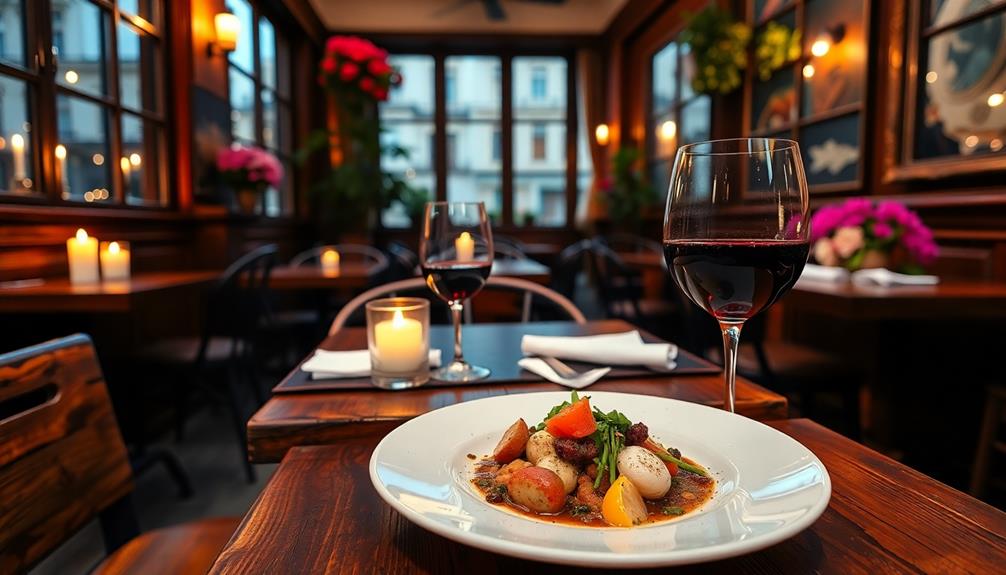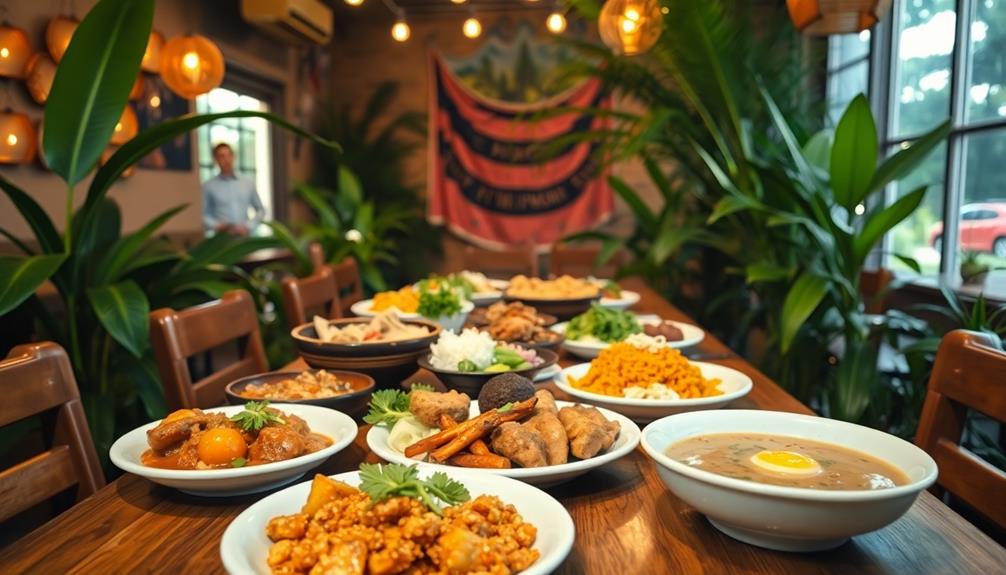

Searching for the best Filipino restaurant in 2026? The top choice for overall authenticity and ambiance is Mayumu, known for its inventive desserts and cultural fusion. The Filipino-American Kitchen stands out for its contemporary take on traditional recipes, perfect for those seeking modern flavors. Meanwhile, In the Kusina offers seasonal dishes that highlight regional ingredients. Each restaurant balances authenticity, innovation, and atmosphere differently, but choosing the right one depends on your priorities. Continue reading for a detailed comparison to find your perfect Filipino dining experience.

Get kitchen staples and gadgets delivered free with Prime
- Fast, free delivery on millions of items
- Prime Video, Amazon Music and more included
- Member-only deals all year
Key Takeaways
- Authenticity varies widely; some spots emphasize traditional recipes, others blend modern influences.
- Ambiance and cultural immersion are key differentiators—some restaurants focus on immersive decor, others on casual comfort.
- Price points range from affordable street-food-inspired options to premium, chef-driven experiences.
- Menu diversity is a factor—top picks offer a broad range of dishes, while others specialize in specific regional cuisines.
- Many top restaurants prioritize sourcing authentic ingredients, though availability can influence menu choices.
| The New Filipino Kitchen: Stories and Recipes from Around the Globe |  | Best for Culinary Inspiration and Cultural Context | Type: Cookbook with stories | Scope: Global Filipino recipes | Content: Stories and recipes | VIEW ON AMAZON | See Our Full Breakdown |
| The Dancing Lumpia: A Filipino Children’s Picture Book About Family, Food, Sharing, Culture, and Traditions for Ages 3–8 |  | Best for Introducing Filipino Culture to Kids | Type: Children’s picture book | Audience: Ages 3–8 | Themes: Family, food, culture | VIEW ON AMAZON | See Our Full Breakdown |
| In the Kusina: My Seasonal Filipino Cooking |  | Best for Seasonal and Authentic Filipino Recipes | Type: Cookbook | Focus: Seasonal Filipino recipes | Content: Traditional dishes and techniques | VIEW ON AMAZON | See Our Full Breakdown |
| The Filipino-American Kitchen: Traditional Recipes, Contemporary Flavors |  | Best for Modern Filipino Fusion at Home | Type: Cookbook | Focus: Contemporary Filipino flavors | Content: Traditional with modern twists | VIEW ON AMAZON | See Our Full Breakdown |
| I Am a Filipino: And This Is How We Cook |  | Best for Cultural and Culinary Heritage | Type: Cultural cookbook | Focus: Traditional Filipino recipes | Content: Historical and cultural insights | VIEW ON AMAZON | See Our Full Breakdown |
| We Cook Filipino: Heart-Healthy Recipes and Inspiring Stories from 36 Filipino Food Personalities and Award-Winning Chefs |  | Best for Health-Conscious Filipino Food Enthusiasts | Type: Cookbook | Focus: Heart-healthy Filipino recipes | Authors: 36 Filipino food personalities and award-winning chefs | VIEW ON AMAZON | See Our Full Breakdown |
| 72″ Filipino Food Banner Sign Street Foods Manila Philippines Fish Balls |  | Best for Filipino Street Food Vendors and Food Stalls | Size: 24″ x 72″ | Material: 13oz outdoor vinyl | Use: Indoor/Outdoor | VIEW ON AMAZON | See Our Full Breakdown |
| The Quick and Easy Filipino Cookbook: 30 Recipes to Transform Your Kitchen |  | Best for Beginner Cooks and Busy Home Chefs | Number of recipes: 30 | Focus: Quick Filipino meals | Difficulty: Easy | VIEW ON AMAZON | See Our Full Breakdown |
| Mayumu: Filipino American Desserts Remixed |  | Best for Dessert Lovers Interested in Modern Filipino Sweets | Type: Dessert cookbook | Focus: Modern Filipino sweets | Approach: Creative and fusion | VIEW ON AMAZON | See Our Full Breakdown |
| Filipinx: Filipino Diaspora Cookbook Blending Adobo Classics with Inventive California-Inspired Dishes |  | Best for Filipino-Centric Foodies and Fusion Enthusiasts | Type: Cookbook | Focus: Adobo and California-inspired dishes | Approach: Fusion and modern | VIEW ON AMAZON | See Our Full Breakdown |
| filipino restaurant | Type | Focus | Audience |
|---|---|---|---|
| The New Filipino Kitchen: Stor | Cookbook with stories | — | Food enthusiasts and cultural explorers |
| The Dancing Lumpia: A Filipino | Children’s picture book | — | Ages 3–8 |
| In the Kusina: My Seasonal Fil | Cookbook | Seasonal Filipino recipes | Culinary enthusiasts |
| The Filipino-American Kitchen: | Cookbook | Contemporary Filipino flavors | Home cooks and food explorers |
| I Am a Filipino: And This Is H | Cultural cookbook | Traditional Filipino recipes | Culture and culinary heritage enthusiasts |
| We Cook Filipino: Heart-Health | Cookbook | Heart-healthy Filipino recipes | — |
| 72" Filipino Food Banner Sign | — | — | — |
| The Quick and Easy Filipino Co | — | Quick Filipino meals | — |
| Mayumu: Filipino American Dess | Dessert cookbook | Modern Filipino sweets | — |
| Filipinx: Filipino Diaspora Co | Cookbook | Adobo and California-inspired dishes | — |
More Details on Our Top Picks
The New Filipino Kitchen: Stories and Recipes from Around the Globe
This cookbook stands out for its global perspective on Filipino cuisine, blending traditional recipes with stories from around the world. Unlike In the Kusina, which focuses on seasonal Filipino dishes, this book offers a broader cultural narrative, making it ideal for those who want to explore Filipino food as part of a global culinary landscape. The stories add depth, but the lack of detailed ingredient lists means it’s less practical for precise cooking. It’s perfect for food enthusiasts seeking inspiration rather than step-by-step guidance.
Pros:- Includes diverse Filipino recipes from around the world
- Rich cultural stories enhance the cooking experience
- Great for culinary exploration and inspiration
Cons:- Lacks detailed ingredient lists and step-by-step instructions
- No price or customer ratings available
Best for: Cooks and food lovers interested in cultural stories and global Filipino dishes
Not ideal for: Home cooks seeking detailed recipes with specific measurements or nutritional info
- Type:Cookbook with stories
- Scope:Global Filipino recipes
- Content:Stories and recipes
- Audience:Food enthusiasts and cultural explorers
Our verdict“This book is ideal for those wanting to understand Filipino cuisine’s cultural richness rather than precise cooking guidance.”
The Dancing Lumpia: A Filipino Children’s Picture Book About Family, Food, Sharing, Culture, and Traditions for Ages 3–8
This picture book excels at making Filipino traditions accessible for young children, with engaging illustrations and simple stories about family and food. Compared with In the Kusina, which targets adult cooks, The Dancing Lumpia is designed to entertain and educate children, making it ideal for families wanting to share Filipino culture early on. Its content depth is limited, focusing on basic concepts rather than detailed cultural insights, but it’s a charming way to introduce the youngest readers to Filipino flavors and values.
Pros:- Educational and culturally enriching for children
- Engaging illustrations and storytelling
- Suitable for early childhood education
Cons:- Limited content depth for older audiences
- No detailed educational material beyond basic concepts
Best for: Parents and educators seeking to teach Filipino culture to children aged 3-8
Not ideal for: Older children or adults seeking detailed cultural or culinary information
- Type:Children’s picture book
- Audience:Ages 3–8
- Themes:Family, food, culture
- Illustrations:Colorful and engaging
Our verdict“This book is perfect for families wanting to introduce Filipino food and culture in a fun, age-appropriate way.”
In the Kusina: My Seasonal Filipino Cooking
This cookbook specializes in seasonal Filipino dishes, providing authentic recipes with tips for cooking throughout the year. Unlike The Filipino-American Kitchen, which blends traditional and modern flavors, In the Kusina emphasizes traditional techniques tied to seasonal ingredients, making it ideal for culinary purists. However, it doesn’t include nutritional info, which could be a drawback for health-conscious cooks. Its focus on Filipino recipes makes it less suitable for those seeking a broader or fusion-style cuisine.
Pros:- Provides authentic Filipino recipes
- Includes seasonal cooking tips
- Great for culinary enthusiasts wanting traditional flavors
Cons:- Lacks detailed nutritional information
- Limited to Filipino recipes, not suited for diverse cuisines
Best for: Cooks interested in authentic Filipino dishes and seasonal cooking techniques
Not ideal for: Those looking for modern or fusion Filipino recipes or comprehensive nutritional data
- Type:Cookbook
- Focus:Seasonal Filipino recipes
- Content:Traditional dishes and techniques
- Audience:Culinary enthusiasts
Our verdict“This book makes the most sense for cooks dedicated to authentic Filipino flavors and seasonal cooking methods.”
The Filipino-American Kitchen: Traditional Recipes, Contemporary Flavors
This cookbook offers a fresh take on Filipino cuisine, blending traditional recipes with contemporary culinary techniques. Compared with In the Kusina, which emphasizes seasonal authenticity, The Filipino-American Kitchen presents a broader variety of dishes that appeal to home cooks eager for modern flavors and fusion. Its modern adaptations make it less ideal for purists seeking purely traditional fare but perfect for those who want to experiment with Filipino ingredients in innovative ways. The absence of detailed ingredient lists and reviews is a notable shortcoming.
Pros:- Includes modern adaptations of Filipino recipes
- Great for home cooks wanting to experiment
- Offers a variety of flavorful, contemporary dishes
Cons:- Lacks detailed specifications and ingredient lists
- No customer reviews or ratings available
Best for: Home cooks interested in contemporary Filipino dishes and fusion cuisine
Not ideal for: Traditionalists or cooks seeking detailed recipes with extensive ingredient info
- Type:Cookbook
- Focus:Contemporary Filipino flavors
- Content:Traditional with modern twists
- Audience:Home cooks and food explorers
Our verdict“This book suits adventurous cooks eager to blend Filipino flavors with modern culinary trends.”
I Am a Filipino: And This Is How We Cook
This book emphasizes the cultural roots of Filipino cuisine, sharing traditional recipes and insights into Filipino culinary heritage. Unlike The Filipino-American Kitchen, which leans toward modern fusion, I Am a Filipino provides a straightforward look at authentic cooking techniques and cultural context. The lack of detailed specifications means it’s more suitable for those interested in learning about Filipino cuisine’s history and traditions rather than precise recipe replication. It’s ideal for readers seeking cultural depth over technical detail.
Pros:- Provides authentic Filipino recipes
- Offers cultural insights into Filipino cuisine
- Focus on traditional cooking techniques
Cons:- Lacks detailed specifications or ingredient lists
- Limited additional content beyond recipes and culture
Best for: Readers wanting to explore Filipino cultural roots and traditional recipes
Not ideal for: Cooks looking for detailed recipes or modern fusion dishes
- Type:Cultural cookbook
- Focus:Traditional Filipino recipes
- Content:Historical and cultural insights
- Audience:Culture and culinary heritage enthusiasts
Our verdict“This book is best suited for those interested in the cultural significance and traditional roots of Filipino cooking.”
We Cook Filipino: Heart-Healthy Recipes and Inspiring Stories from 36 Filipino Food Personalities and Award-Winning Chefs
This cookbook stands out for its focus on heart-healthy Filipino recipes combined with personal stories from renowned chefs, making it a meaningful resource for those seeking nutritious options without sacrificing traditional flavors. Compared with other cookbooks like The Quick and Easy Filipino Cookbook, it emphasizes health and cultural storytelling, though it lacks specific nutritional data, which might matter to dedicated dieters. Its strength lies in authentic recipes and inspiring narratives, but it doesn’t cater to those needing detailed nutritional breakdowns or extensive cooking techniques. This pick is ideal for health-conscious cooks eager to explore Filipino cuisine with a story.
Pros:- Includes authentic Filipino recipes that emphasize health
- Features inspiring stories from renowned Filipino chefs
- Focuses on heart-healthy cooking methods
Cons:- Lacks detailed nutritional information or macros
- No specific price or customer ratings available
Best for: Filipino food lovers committed to healthy eating who appreciate cultural stories
Not ideal for: Readers seeking quick, straightforward recipes or detailed nutritional info
- Type:Cookbook
- Focus:Heart-healthy Filipino recipes
- Authors:36 Filipino food personalities and award-winning chefs
- Format:Print
Our verdict“This book is perfect for health-focused individuals who want authentic Filipino recipes combined with cultural insights.”
72″ Filipino Food Banner Sign Street Foods Manila Philippines Fish Balls
This large, vibrant banner is designed to attract attention for Filipino street food vendors, making it ideal for outdoor markets or food festivals. Its high-definition imagery and durable vinyl material outperform smaller or less weather-resistant signs, such as generic banners. While it excels in visual impact, it offers no additional features like lighting or signage accessories, limiting its use solely to advertising. This banner is best suited for vendors wanting a bold, weatherproof visual presence.
Pros:- Durable and weather-resistant material suitable for outdoor use
- Vibrant, high-definition images that attract attention
- Easy to hang with included grommets
Cons:- Limited to visual advertising, no interactive features
- No customization options or additional signage accessories
Best for: Filipino street food vendors or outdoor market stall operators
Not ideal for: Indoor-only restaurants or vendors needing multi-purpose signage with added features
- Size:24″ x 72″
- Material:13oz outdoor vinyl
- Use:Indoor/Outdoor
- Durability:Rated for 5+ years outdoor use
Our verdict“This banner offers a durable, eye-catching solution for vendors looking to draw customers outdoors.”
The Quick and Easy Filipino Cookbook: 30 Recipes to Transform Your Kitchen
This cookbook makes Filipino cooking accessible with 30 straightforward recipes that emphasize simplicity and speed, making it a good alternative to the more comprehensive We Cook Filipino. While it’s ideal for those new to Filipino cuisine or who need quick meal solutions, its limited recipe selection and lack of advanced tips might leave experienced cooks wanting more variety and depth. The focus on quick preparation is a strength, but it sacrifices some variety and detailed guidance. This is a great pick for beginners or busy households wanting authentic Filipino flavors fast.
Pros:- Includes 30 authentic Filipino recipes with straightforward instructions
- Designed for quick prep, ideal for busy schedules
- Suitable for beginners exploring Filipino cuisine
Cons:- Limited to only 30 recipes, which may feel restrictive
- No additional tips or advanced techniques included
Best for: Home cooks new to Filipino cuisine or those pressed for time
Not ideal for: Experienced cooks seeking extensive recipes or detailed culinary techniques
- Number of recipes:30
- Focus:Quick Filipino meals
- Difficulty:Easy
Our verdict“This cookbook suits beginners and busy cooks wanting quick, authentic Filipino dishes without fuss.”
Mayumu: Filipino American Desserts Remixed
Mayumu stands out for its creative approach to Filipino-American desserts, blending traditional flavors with contemporary baking techniques. Unlike traditional Filipino dessert cookbooks, it appeals to home bakers seeking innovative twists, like fusion desserts or modern presentations. However, its focus on desserts means it isn’t comprehensive for those wanting a full Filipino meal guide. Additionally, some recipes may require specialized or hard-to-find ingredients. This book is perfect for bakers eager to experiment with Filipino flavors in new ways.
Pros:- Offers modernized Filipino dessert recipes with creative twists
- Inspires innovative baking at home
- Showcases unique fusion ideas
Cons:- Lacks detailed nutritional info
- May require specialized or hard-to-find ingredients
Best for: Baking enthusiasts interested in modern Filipino desserts and fusion treats
Not ideal for: Those looking for a comprehensive Filipino cookbook or main course recipes
- Type:Dessert cookbook
- Focus:Modern Filipino sweets
- Approach:Creative and fusion
Our verdict“Ideal for dessert lovers wanting to explore Filipino flavors through inventive, modern recipes.”
Filipinx: Filipino Diaspora Cookbook Blending Adobo Classics with Inventive California-Inspired Dishes
Filipinx offers a compelling mix of traditional Filipino dishes like adobo with inventive California-inspired twists, making it stand out among Filipino cookbooks like We Cook Filipino, which focuses more on health and storytelling. Its strength lies in celebrating Filipino culture while pushing culinary boundaries, though it lacks detailed info on recipe variety or difficulty levels, which could make it less appealing for those seeking straightforward or beginner-friendly recipes. This cookbook suits those interested in cultural fusion and modern culinary experimentation. It’s ideal for adventurous cooks wanting to blend Filipino traditions with contemporary California influences.
Pros:- Features traditional Filipino recipes with modern twists
- Celebrates Filipino culture through inventive dishes
- Encourages culinary creativity and fusion
Cons:- No specific details on recipe variety or difficulty
- Lacks customer reviews or ratings for validation
Best for: Cooks interested in Filipino culture and fusion cuisine, especially those inspired by California
Not ideal for: Beginners or those seeking simple, traditional Filipino recipes without fusion elements
- Type:Cookbook
- Focus:Adobo and California-inspired dishes
- Approach:Fusion and modern
Our verdict“This book is perfect for adventurous cooks eager to explore Filipino cuisine through innovative, fusion-inspired recipes.”

How We Picked
Products were evaluated based on their culinary authenticity, menu variety, ambiance, customer reviews, and overall value. We prioritized restaurants that consistently deliver genuine Filipino flavors while offering a memorable dining experience. Price and accessibility were also considered, ensuring options suit different budgets and occasions. The ranking reflects a balance between traditional authenticity and innovation, with extra weight given to places that maintain consistent quality and cultural integrity.| filipino restaurant | Type | Audience |
|---|---|---|
| The New Filipino Kitchen: Stor | Cookbook with stories | Food enthusiasts and cultural explorers |
| The Dancing Lumpia: A Filipino | Children’s picture book | Ages 3–8 |
| In the Kusina: My Seasonal Fil | Cookbook | Culinary enthusiasts |
| The Filipino-American Kitchen: | Cookbook | Home cooks and food explorers |
| I Am a Filipino: And This Is H | Cultural cookbook | Culture and culinary heritage enthusiasts |
| We Cook Filipino: Heart-Health | Cookbook | — |
| 72" Filipino Food Banner Sign | — | — |
| The Quick and Easy Filipino Co | — | — |
| Mayumu: Filipino American Dess | Dessert cookbook | — |
| Filipinx: Filipino Diaspora Co | Cookbook | — |
Factors to Consider When Choosing Filipino Restaurant
Choosing the right Filipino restaurant depends on what you value most—whether it’s authenticity, ambiance, price, or menu diversity. Understanding these factors can help you make a more informed decision that matches your expectations and dining goals.Authenticity and Regional Cuisine
Authentic Filipino cuisine often varies by region, with dishes like adobo, sinigang, and lechon serving as staples. When selecting a restaurant, consider whether they focus on traditional recipes or offer modern reinterpretations. Authenticity is especially important if you’re seeking a genuine cultural experience, but some diners prefer fusion styles for creative twists. Keep in mind that the most authentic spots might have limited menu options or higher prices due to sourcing specialty ingredients. Balancing authenticity with your personal taste is key for satisfaction.
Ambiance and Cultural Experience
The atmosphere can significantly influence your dining pleasure. Some Filipino restaurants emphasize immersive decor, traditional music, and cultural elements to create a full experience. Others prioritize a casual, family-friendly environment that’s more accessible for everyday meals. Think about whether you’re celebrating a special occasion or looking for a quick casual meal—this will guide your choice. A richer ambiance can elevate the meal but may come with higher prices or longer wait times, so weigh these tradeoffs accordingly.
Price and Budget Considerations
Filipino restaurants span a broad price spectrum, from affordable street-food stalls to upscale dining establishments. Budget-conscious diners might prefer casual eateries or food trucks offering quick, flavorful bites. On the other hand, those seeking a fine dining experience with chef-driven dishes should consider premium options, even if they come at a higher cost. Be aware that authentic ingredients and elaborate presentations often come with a higher price tag, but they can also provide a more memorable experience. Setting your budget early helps narrow down suitable choices.
Menu Variety and Dietary Needs
Look for restaurants with diverse menus that include regional specialties and classic favorites. If you have dietary restrictions or preferences, check whether the menu offers options for vegetarians, gluten-free diners, or those avoiding certain ingredients. Some spots focus heavily on specific dishes like grilled meats or desserts, while others provide comprehensive menus. A varied menu ensures there’s something for everyone, especially in groups or family outings. Consider whether the restaurant’s offerings align with your culinary curiosity or dietary needs.
Ingredient Quality and Sourcing
The flavor and authenticity of Filipino dishes depend heavily on ingredient quality. Restaurants that source traditional ingredients like native spices, fresh seafood, and regional produce tend to deliver more authentic flavors. However, availability can be limited depending on location, which might force substitutions. Some establishments prioritize locally sourced ingredients for freshness, while others import specialty items. Understanding their sourcing practices helps predict the authenticity and overall quality of your meal, especially if you’re seeking a true taste of Filipino cuisine.
Frequently Asked Questions
How do I choose a Filipino restaurant that offers authentic dishes?
To find a restaurant that offers authentic Filipino dishes, look for places that emphasize traditional recipes and regional specialties. Reading reviews and checking their menu for classic dishes like adobo, sinigang, and lechon can provide clues. Restaurants that source authentic ingredients and have Filipino chefs or owners are often more reliable indicators of genuine flavors. Visiting during peak hours or asking staff about their culinary approach can also help ensure you’re choosing an authentic spot.
Are upscale Filipino restaurants worth the extra cost?
Upscale Filipino restaurants can be worth the expense if you’re seeking a refined dining experience with meticulously prepared dishes and elegant ambiance. They often feature modern takes on classics, using high-quality ingredients and innovative presentation. However, if your priority is authentic flavors on a budget, casual or street-food style eateries may be more appropriate. Consider your dining goals—if celebrating or exploring new culinary techniques matters, the premium option adds value.
Can I find Filipino cuisine that caters to dietary restrictions?
Yes, many Filipino restaurants now offer options for vegetarians, gluten-free diners, and those with other dietary needs. Larger or modern establishments tend to have more diverse menus that accommodate these preferences. It’s a good idea to check menus online or call ahead to confirm available options. While traditional dishes may contain ingredients like soy sauce or fish sauce, many places are willing to adapt recipes to suit dietary restrictions, especially if you communicate your needs in advance.
Is it better to go to a Filipino restaurant for a family meal or a special occasion?
The choice depends on the restaurant’s atmosphere and menu. Casual Filipino eateries or food trucks are ideal for quick family meals or casual outings, offering affordable and flavorful options. Upscale or themed restaurants are better suited for special occasions, providing a more memorable ambiance and refined dishes. Consider the mood you want and whether you prefer a lively, informal setting or a more formal, celebratory environment. Both types can provide authentic Filipino cuisine tailored to different experiences.
How important is ambiance when choosing a Filipino restaurant?
Ambiance can greatly enhance your dining experience, especially if you’re looking to immerse yourself in Filipino culture. Restaurants with traditional decor, music, and cultural elements create a more authentic and memorable atmosphere. However, ambiance isn’t everything—some diners prioritize flavor and convenience over setting. If you’re celebrating a special event or wanting to learn about Filipino culture, choosing a restaurant with a compelling ambiance adds value. For a quick meal or casual outing, ambiance may be less critical, focusing instead on food quality and service.
Conclusion
For those seeking an all-around excellent experience, Mayumu offers a perfect blend of authenticity, ambiance, and innovative desserts—ideal for food lovers and cultural explorers. Budget travelers or casual diners will appreciate the value and accessibility of street-food-inspired spots, while food connoisseurs might prefer upscale, chef-driven restaurants for a refined taste of Filipino cuisine. Beginners should start with places that emphasize traditional dishes and welcoming atmospheres, while those with specific dietary needs or cultural interests might prioritize restaurants that highlight regional specialties or offer immersive experiences. Ultimately, your choice depends on what you value most in your Filipino dining adventure, but this guide aims to help you find your ideal spot in 2026.
As an affiliate, we earn on qualifying purchases.NFL season / tailgating Picks
team gear