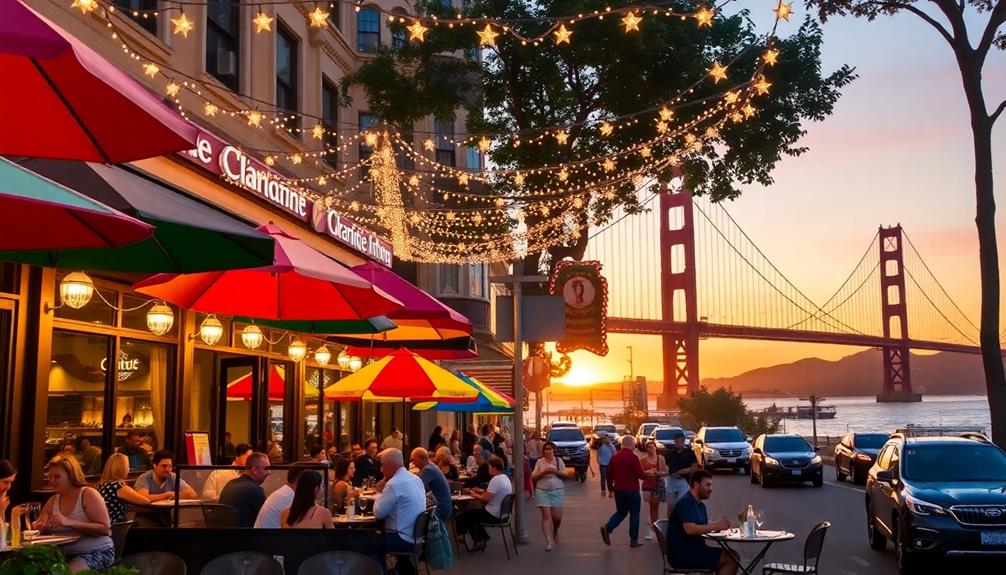

If you’re searching for a restaurant in San Francisco, these books offer a different kind of guide: recipes, restaurant histories, and snapshots of the city’s dining scene. Seasons of Greens is my best overall pick for a focused collection tied to a notable restaurant, while Classic Dim Sum stands out for readers who want to cook a specific San Francisco specialty, and Tadich Grill pairs recipes with local history. The main tradeoff is between practical recipes and books valued more for their archival or storytelling appeal. Some titles focus deeply on one restaurant; others range across the city, with differences in age and likely usefulness for current dining plans. Read on for how the seven options compare and which one best suits your kitchen or bookshelf.

Get kitchen staples and gadgets delivered free with Prime
- Fast, free delivery on millions of items
- Prime Video, Amazon Music and more included
- Member-only deals all year
Key Takeaways
- Restaurant-specific books offer the clearest cooking focus: Seasons of Greens, Classic Dim Sum, and House of Nanking center on distinct restaurants and culinary identities.
- Classic Dim Sum is the most specialized choice: it suits readers seeking Yank Sing recipes, while City Eats offers a broader selection of San Francisco dishes.
- Some picks are better as local history than current dining references: Tadich Grill offers a restaurant story alongside recipes, while San Francisco Restaurants 96/97 Access is explicitly tied to an older guide era.
- Citywide coverage and restaurant depth are different strengths: A Cook’s Tour and City Eats span the city, while the restaurant-focused titles can give one kitchen more room.
- The best match depends on what you want to do with the book: choose by cooking project, local-history interest, or a broad snapshot rather than assuming every title is a current restaurant directory.
| Seasons of Greens: A Collection of New Recipes from the Iconic San Francisco Restaurant |  | Best for Vegetable-Focused Cooking | Format: Cookbook | Cuisine focus: Recipes centered on greens | Inspiration: An iconic San Francisco restaurant | VIEW ON AMAZON | See Our Full Breakdown |
| Classic Dim Sum: Recipes from Yank Sing Restaurant, San Francisco |  | Best for Dim Sum Enthusiasts | Format: Cookbook | Cuisine focus: Dim sum | Restaurant: Yank Sing | VIEW ON AMAZON | See Our Full Breakdown |
| House of Nanking: Family Recipes from San Francisco’s Favorite Chinese Restaurant |  | Best for Family-Style Chinese Cooking | Format: Cookbook | Cuisine focus: Chinese cuisine | Restaurant: House of Nanking | VIEW ON AMAZON | See Our Full Breakdown |
| A Cook’s Tour of San Francisco: The Best Restaurants and Their Recipes |  | Best for a Citywide Restaurant Sampler | Format: Book featuring restaurant recipes | Geographic focus: San Francisco | Restaurant coverage: Multiple local restaurants | VIEW ON AMAZON | See Our Full Breakdown |
| San Francisco Restaurants 96/97 Access |  | Best for Historical Dining Research | Format: Restaurant guide | Geographic focus: San Francisco | Coverage period: 1996–1997 | VIEW ON AMAZON | See Our Full Breakdown |
| City Eats: San Francisco: 50 Recipes from the Best of the City by the Bay |  | Best for Broad Citywide Flavor | Format: Cookbook | Recipe count: 50 | Subject: San Francisco recipes and culinary scene | VIEW ON AMAZON | See Our Full Breakdown |
| Tadich Grill: The Story of San Francisco’s Oldest Restaurant, With Recipes |  | Best for Restaurant History and Heritage | Format: Book with recipes | Subject: Tadich Grill and San Francisco culinary history | Restaurant focus: Tadich Grill, described as San Francisco’s oldest restaurant | VIEW ON AMAZON | See Our Full Breakdown |
| restaurant san francisco | Format |
|---|---|
| Seasons of Greens: A Collectio | Cookbook |
| Classic Dim Sum: Recipes from | Cookbook |
| House of Nanking: Family Recip | Cookbook |
| A Cook’s Tour of San Francisco | Book featuring restaurant recipes |
| San Francisco Restaurants 96/9 | Restaurant guide |
| City Eats: San Francisco: 50 R | Cookbook |
| Tadich Grill: The Story of San | Book with recipes |
More Details on Our Top Picks
Seasons of Greens: A Collection of New Recipes from the Iconic San Francisco Restaurant
Seasons of Greens is the most focused choice here: it centers its recipes on greens and draws inspiration from a San Francisco restaurant. That makes it a better fit for cooks seeking fresh, plant-forward ideas than Classic Dim Sum, which concentrates on traditional dim sum, or A Cook’s Tour of San Francisco, which spans recipes from multiple restaurants. The description points to innovative recipes, but offers no recipe count, sample dishes, or detail about dietary needs, so buyers have little basis for judging how varied or practical the collection is. I’d choose it for a specific interest in cooking with greens, not as a broad introduction to the city’s restaurant food. Its narrow focus is also its main limitation: cooks looking for a wide range of San Francisco cuisines should choose a broader collection.
Pros:- Focused collection for cooks interested in greens
- Recipes inspired by a San Francisco restaurant
- Description emphasizes fresh, healthy ingredients
Cons:- No recipe count or sample dishes are provided
- The narrow greens focus may not suit cooks seeking variety across cuisines
Best for: Home cooks who want restaurant-inspired recipes centered on greens and fresh ingredients.
Not ideal for: Readers seeking a broad survey of San Francisco restaurants, detailed recipe previews, or a cookbook organized around a different cuisine.
- Format:Cookbook
- Cuisine focus:Recipes centered on greens
- Inspiration:An iconic San Francisco restaurant
- Recipe style:Innovative
- Ingredient emphasis:Fresh ingredients
- Stated audience:Home cooks seeking healthy recipes
Our verdict“Choose this for a vegetable-centered restaurant cookbook; pick A Cook’s Tour of San Francisco for a wider range of local restaurant recipes.”
Classic Dim Sum: Recipes from Yank Sing Restaurant, San Francisco
Classic Dim Sum is the clearest pick for readers who want to make a particular San Francisco restaurant’s dim sum at home. Its stated step-by-step instructions give it a practical edge over House of Nanking, which is described more broadly as a collection of family recipes and cooking tips. The focused subject is useful for enthusiasts willing to spend time learning traditional preparations, but it also narrows the book’s appeal: it is not a general guide to Chinese cooking or to San Francisco dining. The available details do not identify specific dishes, ingredient guidance, or preparation times, so buyers cannot tell how accessible the recipes are or whether they match their favorite dim sum orders. I’d choose it over a citywide restaurant collection only when dim sum is the main goal.
Pros:- Recipes are associated with San Francisco restaurant Yank Sing
- Description specifies step-by-step instructions
- A focused subject for dim sum enthusiasts
Cons:- Specific dishes and ingredients are not listed in the available information
- Preparation times and accessibility for beginners are unclear
Best for: Dim sum fans who want restaurant-associated recipes and are comfortable following detailed cooking instructions.
Not ideal for: Cooks who want a broad Chinese cookbook, quick meal ideas, or confirmed details about particular recipes and preparation times.
- Format:Cookbook
- Cuisine focus:Dim sum
- Restaurant:Yank Sing
- Location:San Francisco
- Recipe approach:Traditional dim sum dishes
- Instruction style:Step-by-step instructions and tips
Our verdict“Pick this for a focused attempt at restaurant-style dim sum, while House of Nanking offers a broader family-recipe direction.”
House of Nanking: Family Recipes from San Francisco’s Favorite Chinese Restaurant
House of Nanking pairs restaurant-associated Chinese recipes with family stories and cooking tips, giving it a more personal framing than Classic Dim Sum, whose stated emphasis is step-by-step instruction for a single food tradition. That broader family-recipe approach makes this a better match for readers curious about restaurant cooking and its traditions, rather than cooks seeking only dim sum. The description does not name dishes or explain how much technique the tips cover, however, so I would not assume every recipe is beginner-friendly or that the book offers a wide range of variations. Compared with A Cook’s Tour of San Francisco, this is the more concentrated choice: one restaurant and Chinese cuisine rather than recipes from several local eateries. Its appeal depends on wanting that focused restaurant perspective.
Pros:- Family recipes are associated with San Francisco restaurant House of Nanking
- Includes cooking tips according to the description
- Family stories add cultural and restaurant context
- Focuses on Chinese cuisine rather than a citywide mix
Cons:- Specific recipes and their difficulty levels are not identified
- The available description does not explain the range of recipe variations
Best for: Readers interested in Chinese cooking who value family stories alongside restaurant-inspired recipes.
Not ideal for: Cooks who need a clearly documented beginner guide, recipe previews, or a broad collection spanning many San Francisco restaurants.
- Format:Cookbook
- Cuisine focus:Chinese cuisine
- Restaurant:House of Nanking
- Location:San Francisco
- Recipe source:Family recipes
- Additional content:Cooking tips and family stories
Our verdict“Choose this for a restaurant-linked Chinese cookbook with family context; choose Classic Dim Sum for a more tightly defined dim sum focus.”
A Cook’s Tour of San Francisco: The Best Restaurants and Their Recipes
A Cook’s Tour of San Francisco takes the broadest restaurant-focused approach in this group, bringing together eateries and their signature recipes rather than centering on one restaurant or cuisine. That makes it a stronger choice for readers who want a sense of the city’s food scene than Seasons of Greens, with its greens-centered scope, or Classic Dim Sum, which is devoted to one tradition. The description also mentions culinary insights and cooking techniques, potentially giving home cooks more context than a recipe-only collection. The tradeoff is less depth on any single restaurant: buyers drawn to Yank Sing or House of Nanking may prefer a book focused on that kitchen. No edition details or specific recipes are supplied, so the breadth and currency of the selection are hard to judge.
Pros:- Features recipes associated with San Francisco restaurants
- Covers multiple local eateries rather than one restaurant
- Description includes culinary insights and cooking techniques
- Useful for readers interested in the city’s restaurant food
Cons:- Specific restaurants and signature dishes are not identified in the available description
- Edition details are not provided
- A multi-restaurant scope may offer less depth on each individual kitchen
Best for: Food enthusiasts and home cooks who want recipes connected to multiple San Francisco restaurants.
Not ideal for: Readers seeking an in-depth cookbook from one restaurant, a specific cuisine, or clearly listed recipe and edition details.
- Format:Book featuring restaurant recipes
- Geographic focus:San Francisco
- Restaurant coverage:Multiple local restaurants
- Recipe selection:Signature recipes
- Additional content:Culinary insights
- Cooking guidance:Cooking techniques
Our verdict“Choose this for the broadest restaurant-to-recipe tour of San Francisco; choose House of Nanking for a more focused restaurant perspective.”
San Francisco Restaurants 96/97 Access
San Francisco Restaurants 96/97 Access is the one selection here aimed at finding or researching restaurants rather than recreating their food. Its stated coverage of 1996–1997 makes it a historical reference, not a practical guide for choosing where to eat today. Compared with A Cook’s Tour of San Francisco, which connects restaurants to recipes, this book is oriented toward restaurant access information and reviews from its period. That distinction suits readers studying past dining options or looking into the city’s restaurant history, but the age of the information is a major drawback for visitors and locals planning current meals. The description does not specify what access details or review criteria it contains, so I’d treat it as a period snapshot rather than a detailed archival record.
Pros:- Documents San Francisco restaurant information from a defined historical period
- Includes restaurant access information and reviews according to the description
- Offers a different, reference-oriented angle from the recipe books
Cons:- Restaurant details date to 1996–1997 and may no longer be useful for planning a meal
- The description does not explain the scope or format of the access information
Best for: Collectors, local-history readers, and researchers seeking a guide to San Francisco restaurants in 1996–1997.
Not ideal for: Visitors or locals who need current restaurant listings, up-to-date access information, or contemporary dining recommendations.
- Format:Restaurant guide
- Geographic focus:San Francisco
- Coverage period:1996–1997
- Content:Restaurant access information
- Additional content:Restaurant reviews
- Stated audience:Locals and visitors interested in period dining information
Our verdict“Choose this as a historical snapshot of San Francisco dining, not as a guide to restaurants currently open.”
City Eats: San Francisco: 50 Recipes from the Best of the City by the Bay
City Eats: San Francisco suits readers who want a sampler of the city’s food culture rather than a close study of one restaurant. Its 50 curated recipes offer home cooks a range of local flavors to explore, making it broader in scope than Tadich Grill: The Story of San Francisco’s Oldest Restaurant, With Recipes, which centers on one historic establishment. That variety is the draw, but the set is still finite: cooks seeking a large, highly specialized collection may find 50 recipes limiting. The description also provides no nutritional information, so readers who plan meals around specific dietary figures will need details from elsewhere. I’d choose this book for a general introduction to San Francisco-inspired cooking, not as a definitive guide to every neighborhood or cuisine in the city.
Pros:- Offers 50 curated recipes tied to San Francisco’s food scene
- Covers a wider citywide range than a single-restaurant cookbook
- Gives home cooks a practical way to explore local flavors
- Works as an accessible introduction for food enthusiasts
Cons:- The collection is limited to 50 recipes
- No detailed nutritional information is listed
- The available description does not identify specific cuisines or recipe categories
Best for: Home cooks and food enthusiasts who want a varied introduction to San Francisco-inspired recipes without focusing on a single restaurant
Not ideal for: Readers seeking extensive recipe coverage, detailed nutrition data, or a deep history of one specific San Francisco restaurant
- Format:Cookbook
- Recipe count:50
- Subject:San Francisco recipes and culinary scene
- Recipe scope:Curated selection highlighting diverse local flavors
- Intended audience:Food enthusiasts and home cooks
- Nutritional information:Not provided in the supplied product details
Our verdict“Choose this for a varied, approachable taste of San Francisco cooking; skip it if you want extensive coverage or restaurant history.”
Tadich Grill: The Story of San Francisco’s Oldest Restaurant, With Recipes
Tadich Grill is the more focused choice for readers interested in how one landmark restaurant fits into San Francisco’s dining heritage. The book pairs the story of the city’s oldest restaurant with recipes, so it offers historical context alongside cooking inspiration. Compared with City Eats: San Francisco, which presents 50 recipes from across the city’s culinary scene, this title gives up breadth for a closer look at a single institution. That focus makes it a stronger fit for restaurant-history enthusiasts, but a weaker pick for cooks looking for a wide mix of sources and styles. The supplied details do not specify the number of recipes or other book features, so buyers cannot judge the collection’s depth from this information alone. I’d select it for its restaurant-centered perspective, not as an all-purpose city cookbook.
Pros:- Explores the history of a renowned San Francisco restaurant
- Combines restaurant storytelling with recipes
- Offers a more focused heritage perspective than City Eats: San Francisco
- Connects the recipes to a specific local dining institution
Cons:- Its single-restaurant focus offers less culinary breadth than City Eats: San Francisco
- The supplied product details do not state the number of recipes
- The description lists few specific features for buyers to compare
Best for: Readers of San Francisco food history and home cooks who want recipes connected to a historic local restaurant
Not ideal for: Cooks looking for a broad selection of recipes from multiple San Francisco restaurants or buyers who need detailed feature information before choosing
- Format:Book with recipes
- Subject:Tadich Grill and San Francisco culinary history
- Restaurant focus:Tadich Grill, described as San Francisco’s oldest restaurant
- Content:Restaurant history and recipes
- Recipe count:Not specified in the supplied product details
- Intended audience:Culinary history enthusiasts and interested home cooks
Our verdict“Pick this for Tadich Grill’s history and restaurant-linked recipes, but choose a citywide collection if variety matters more.”

How We Picked
I compared the seven titles by how directly they connect to San Francisco restaurants, the kind of material they promise, and how useful that material is for a buyer’s likely purpose. I gave weight to a clear editorial focus, such as recipes from a named restaurant, alongside breadth, local storytelling, and the distinction between a cookbook and a dining guide. These factors matter because a book for cooking at home serves a different need from one bought to explore the city’s restaurant history.
The ranking favors books with a clear, lasting use beyond a moment in time: focused restaurant recipes, distinctive cuisine, or a strong blend of food and story. Broader city collections follow when their appeal is variety rather than depth, while San Francisco Restaurants 96/97 Access ranks lower for readers seeking current planning help because its title identifies it as a guide from 1996–97. I also treated the available descriptions cautiously: buyers should check edition details, contents, and condition before choosing an older title.
| restaurant san francisco | Format |
|---|---|
| Seasons of Greens: A Collectio | Cookbook |
| Classic Dim Sum: Recipes from | Cookbook |
| House of Nanking: Family Recip | Cookbook |
| A Cook’s Tour of San Francisco | Book featuring restaurant recipes |
| San Francisco Restaurants 96/9 | Restaurant guide |
| City Eats: San Francisco: 50 R | Cookbook |
| Tadich Grill: The Story of San | Book with recipes |
Factors to Consider When Choosing Restaurant San Francisco
Before choosing a San Francisco restaurant book, decide whether you want to cook from it, learn about local food history, or use it to plan a visit. Those goals can point to very different titles, even when each has a connection to the city’s dining scene.
Choose a Cookbook, a Story, or a Planning Tool
Start by naming the job you want the book to do. A recipe collection can be useful in the kitchen even when you are nowhere near San Francisco, while a restaurant history may be more rewarding to read than to cook from. A directory or dining guide has a shorter planning window because restaurants and details can change. A common mistake is to buy a cookbook expecting a current list of places to visit, or to expect a historic account to function like a recipe manual. If you want more than one use, look for a title that clearly combines recipes with narrative rather than relying on its San Francisco label alone.
Decide Between One Restaurant and a Citywide Mix
A single-restaurant book usually offers a more coherent food identity, which helps if you already enjoy that cuisine or want a focused cooking project. A citywide collection can expose you to more styles, but its recipes and stories may have less space individually. Think about whether you prefer to master a narrow set of dishes or sample a range of the city’s food culture. Don’t assume that more restaurants automatically means more useful recipes; selection and clarity matter as much as breadth. For gifting, a restaurant the recipient recognizes can make a focused book feel more personal than a general collection.
Check the Kind of Cooking the Recipes Invite
Restaurant recipes may call for specialized ingredients, equipment, or techniques that are less familiar in a home kitchen. Before buying, inspect the contents or sample pages for ingredient availability, recipe detail, and whether the instructions seem adapted for home cooks. A cuisine-specific book can be rewarding when you want to learn a particular tradition, but a broader collection may provide more variety for everyday meals. Avoid judging a cookbook only by its restaurant name or reputation; the practical question is whether you will make the dishes. If you are new to the cuisine, prioritize clear methods and accessible ingredients over ambition alone.
Treat Publication Date as Part of the Decision
For dining plans, an older guide can contain outdated addresses, opening hours, or restaurant information, even if its historical perspective has value. For a cookbook, age may matter less if the recipes and context remain relevant, though editions can differ in content and condition. Check the publication details and whether the book is being sold as a collectible, a working kitchen copy, or a practical guide. A frequent buying error is treating a past restaurant directory as a reliable source for a trip today. Use current sources to confirm visit details, and choose older books for archival interest unless their information has been checked.
Balance Collectibility With Everyday Use
Some restaurant books appeal because they preserve a place’s history or a particular period of San Francisco dining; others earn their shelf space through recipes readers can return to. Those are both valid reasons to buy, but they are not interchangeable. If you plan to cook often, check binding condition, page layout, and whether the copy can withstand kitchen use. If you are collecting local food history, an older or restaurant-specific edition may be appealing even when it is not the most practical cooking reference. Decide which kind of value matters to you before paying extra for scarcity or presentation.
Frequently Asked Questions
Which book should I choose if I mainly want recipes to cook at home?
Start with the titles centered on recipes from a named restaurant, then choose by cuisine and the kind of dishes you want to make. Seasons of Greens offers a focused restaurant collection, while Classic Dim Sum is the more targeted pick if dim sum is your main interest. House of Nanking is another restaurant-specific option for readers drawn to its family-recipe angle. Check a contents list or sample pages before buying to see whether the recipes match your skill level and pantry. A restaurant’s name alone does not tell you how accessible its recipes are.
Is San Francisco Restaurants 96/97 Access useful for planning a trip now?
Its title identifies it as a guide for 1996–97, so I would not rely on it for present-day addresses, opening hours, or current restaurant recommendations. It may interest readers studying the city’s dining scene during that period or collecting older local guides. For a current visit, pair any historical reading with up-to-date restaurant information from the businesses themselves. The key distinction is archival value versus practical planning value. If you want a book to use on an upcoming trip, a dated directory is a poor substitute for current sources.
Should I buy a restaurant-specific cookbook or a citywide collection?
Choose a restaurant-specific title if you want depth around one kitchen, a particular cuisine, or a restaurant you already care about. A citywide collection makes more sense when variety is your priority and you want a wider sample of San Francisco food. Restaurant-focused books can feel more cohesive, but they may offer fewer styles; broader books provide range but may give each restaurant less attention. Think about how many of the recipes you are likely to make, not just how many are included. For a gift, the recipient’s food interests are a better guide than the size of the restaurant list.
Which title is the strongest choice for someone interested in San Francisco food history?
Tadich Grill is a natural starting point because its title combines the story of a historic restaurant with recipes. A Cook’s Tour of San Francisco and the older restaurant guide may appeal to readers who want a wider or period-specific view of the city’s dining scene. These books serve different historical interests: one can center on a single institution, while the others suggest broader coverage. Check publication information and the actual contents to see how much space goes to narrative versus recipes. For current restaurant research, supplement historical titles with recent sources.
What should I check before buying an older or secondhand edition?
Confirm the edition and publication date first, especially if you expect restaurant details to help plan a visit. For a cookbook, inspect whether the copy is complete, whether the binding and pages are usable, and whether the contents suit your cooking interests. Older titles can carry value as local history even when their practical information has aged. If a listing emphasizes collectibility, compare that appeal with your intended use rather than assuming rarity means the book is a better fit. When condition or edition details are unclear, ask the seller for more information before deciding.
Conclusion
Best overall: I’d choose Seasons of Greens for readers who want a focused restaurant cookbook with a clear culinary identity. Best for a specific cooking project: Classic Dim Sum is the stronger match for Yank Sing-style dim sum, while House of Nanking suits buyers drawn to family recipes from a named restaurant. Best for citywide variety: consider City Eats or A Cook’s Tour of San Francisco, depending on which collection’s scope and contents appeal to you. Best for local history: Tadich Grill pairs recipes with a restaurant story; best for beginners is whichever cookbook has the clearest accessible recipes after you review its contents. I’d treat San Francisco Restaurants 96/97 Access as an archival pick, not a current trip guide. Match the book to the reason you’re buying it, and the differences between these seven options become much easier to weigh.