Finding a great vegetarian restaurant in Singapore means balancing authentic flavors, variety, and affordability. The best overall pick offers a mix of taste and accessibility, while standout options like PlantAsia and Makan excel in regional authenticity and unique recipes. However, tradeoffs often involve choosing between price and variety or between traditional flavors and modern twists. Continue reading to see how these top choices compare and which might suit your specific dining needs.

Get kitchen staples and gadgets delivered free with Prime
- Fast, free delivery on millions of items
- Prime Video, Amazon Music and more included
- Member-only deals all year
Key Takeaways
- Top picks stand out for their authenticity and regional flavor focus, especially PlantAsia and Makan.
- Affordability varies, with some options offering more budget-friendly menus without sacrificing quality.
- Variety is a common tradeoff; some restaurants excel in specific cuisines while others provide broader plant-based options.
- Traditional recipes are better preserved in places like Makan, while newer concepts focus on innovative plant-based fusion.
- Price point is a key factor, with premium options like Nobu’s cookbook offering gourmet insights, but not actual dining experiences.
| Nobu’s Vegetarian Cookbook |  | Best Overall for Creative Japanese-Inspired Vegetarian Recipes | Number of recipes: 50+ | Cuisine style: Japanese-inspired | Format: Hardcover | VIEW ON AMAZON | See Our Full Breakdown |
| The Vegan Asian Kitchen: 100+ Plant-Based Recipes Inspired by Malaysia, China, Thailand, and Beyond |  | Best for Diverse Asian Vegan Recipes | Number of recipes: 100+ | Cuisine focus: Malaysia, China, Thailand, Beyond | Format: Paperback | VIEW ON AMAZON | See Our Full Breakdown |
| Vegan Asian Street Food: Over 80 Plant-Based Recipes for Every Occasion |  | Best for Street Food Lovers and Everyday Eats | Number of recipes: 80+ | Cuisine inspiration: Asian street food | Format: Paperback | VIEW ON AMAZON | See Our Full Breakdown |
| PlantAsia: Asia’s Vegetable Wisdom in Recipes, Stories and Techniques |  | Best for Cultural and Culinary Depth in Asian Vegetable Cooking | Number of recipes: Varies | Content focus: Recipes, Stories, Techniques | Format: Hardcover | VIEW ON AMAZON | See Our Full Breakdown |
| Singapore Cooking: Fabulous Recipes from Asia’s Food Capital |  | Best for Authentic Singaporean Flavors | Number of recipes: 60+ | Cuisine focus: Singaporean | Format: Hardcover | VIEW ON AMAZON | See Our Full Breakdown |
| Makan: Recipes from the Heart of Singapore | 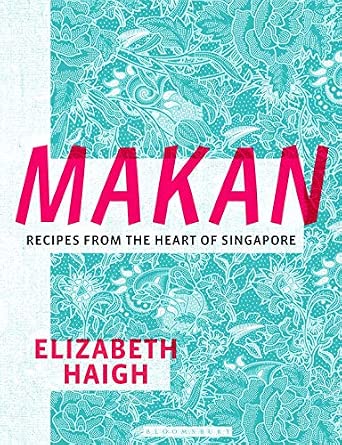 | Best for Authentic Singaporean Cuisine | Format: Hardcover, 256 pages | Language: English | Cuisine Focus: Singaporean | VIEW ON AMAZON | See Our Full Breakdown |
| The Veggie Chinese Takeout Cookbook: Wok, No Meat? Over 70 Vegan and Vegetarian Takeout Classics |  | Best for Vegan and Vegetarian Chinese Takeout Lovers | Number of Recipes: Over 70 | Cooking Style: Wok-based | Dietary Focus: Vegan and Vegetarian | VIEW ON AMAZON | See Our Full Breakdown |
| vegetarian restaurant singapore | Format | Language | Number of recipes | Publisher |
|---|---|---|---|---|
| Nobu’s Vegetarian Cookbook | Hardcover | English | 50+ | Nobu Publishing |
| The Vegan Asian Kitchen: 100+ | Paperback | English | 100+ | Vegan Press |
| Vegan Asian Street Food: Over | Paperback | English | 80+ | Street Food Press |
| PlantAsia: Asia’s Vegetable Wi | Hardcover | English | Varies | Cultural Press |
| Singapore Cooking: Fabulous Re | Hardcover | English | 60+ | Asia House |
| Makan: Recipes from the Heart | Hardcover, 256 pages | English | — | — |
| The Veggie Chinese Takeout Coo | Paperback | English | Over 70 | — |
More Details on Our Top Picks
Nobu’s Vegetarian Cookbook
This cookbook stands out for its innovative take on vegetarian cuisine, blending Nobu Matsuhisa’s signature Japanese flavors with plant-based dishes. Compared to PlantAsia, which offers deep cultural insights, Nobu’s book focuses more on recipe creativity and flavor, making it ideal for those who enjoy culinary experimentation. However, it falls short on detailed nutritional information and visual guides, which can be limiting for health-conscious or beginner cooks. The recipes are inspired by high-end Japanese cuisine, making it perfect for home chefs seeking a touch of luxury in their vegetarian dishes. The lack of illustrations and limited difficulty info means it’s better suited for intermediate to advanced cooks rather than absolute beginners.
Pros:- Creative and flavorful vegetarian recipes inspired by Nobu’s culinary style
- Great for health-conscious cooks seeking gourmet plant-based options
- Encourages culinary experimentation with Japanese flavors
Cons:- Lacks detailed nutritional information and recipe difficulty levels
- No included images or illustrations, which can hinder recipe execution
Best for: Cooks who want to explore innovative Japanese-style vegetarian dishes at home
Not ideal for: Beginners looking for step-by-step visuals or nutritional details to guide their cooking
- Number of recipes:50+
- Cuisine style:Japanese-inspired
- Format:Hardcover
- Language:English
- Publisher:Nobu Publishing
- Release Year:2020
Our verdict“A must-have for adventurous cooks eager to incorporate Japanese-inspired vegetarian dishes into their repertoire.”
The Vegan Asian Kitchen: 100+ Plant-Based Recipes Inspired by Malaysia, China, Thailand, and Beyond
This book offers an extensive selection of over 100 vegan recipes from various Asian cuisines, making it ideal for those who want a broad palette of flavors. Compared with Vegan Asian Street Food, which specializes in street food dishes, this collection covers a wider range of meal types and culinary influences, appealing to home cooks seeking variety. The lack of specific recipe details or ratings can make it harder to judge which recipes are easiest or most popular, but it’s a rich resource for experimentation. Its versatility makes it perfect for vegans or vegetarians eager to explore authentic Asian dishes in their own kitchen, though those seeking quick, straightforward recipes might find it overwhelming.
Pros:- Extensive collection of authentic Asian-inspired vegan recipes
- Caters to a variety of dietary preferences within vegan cuisine
- Inspires healthy, flavorful plant-based cooking
Cons:- No specific recipe details or user ratings provided
- Lacks information on recipe complexity or prep times
Best for: Vegans and vegetarians eager to explore Asian cuisines through a wide variety of recipes
Not ideal for: Cooks seeking quick, simple recipes with detailed nutritional info or ratings
- Number of recipes:100+
- Cuisine focus:Malaysia, China, Thailand, Beyond
- Format:Paperback
- Language:English
- Publisher:Vegan Press
- Release Year:2022
Our verdict“An excellent resource for those wanting to master a diverse array of Asian vegan dishes at home.”
Vegan Asian Street Food: Over 80 Plant-Based Recipes for Every Occasion
This collection excels in offering over 80 vegan recipes inspired by Asian street food, making it a go-to for those craving authentic flavors in quick, tasty dishes. Unlike The Vegan Asian Kitchen, which covers a wider range of meal types, this book zeroes in on street food favorites, perfect for casual meals or parties. Its focus on flavor and variety makes it suitable for cooks of all skill levels, but the absence of detailed product features or reviews could leave some wanting more technical guidance. It’s ideal for home cooks who want to recreate vibrant street food dishes without complex techniques, though those seeking a broader cuisine overview might prefer other options.
Pros:- Diverse, flavorful street food-inspired vegan recipes
- Great for casual, quick meals and entertaining
- Suitable for all skill levels with straightforward instructions
Cons:- No detailed product features or user reviews available
- Limited information on recipe difficulty or prep times
Best for: Home cooks who love Asian street food and want quick, flavorful vegan recipes
Not ideal for: Beginners needing detailed instructions or those looking for comprehensive cuisine coverage
- Number of recipes:80+
- Cuisine inspiration:Asian street food
- Format:Paperback
- Language:English
- Publisher:Street Food Press
- Release Year:2021
Our verdict“Perfect for street food enthusiasts seeking quick, vibrant vegan dishes at home.”
PlantAsia: Asia’s Vegetable Wisdom in Recipes, Stories and Techniques
PlantAsia offers a deep dive into traditional Asian vegetable recipes, storytelling, and culinary techniques, making it ideal for those interested in the cultural context behind dishes. When compared to Nobu’s Vegetarian Cookbook, which emphasizes flavor innovation, PlantAsia focuses more on cultural authenticity and techniques, appealing to cooks wanting a more educational experience. Its limited content details can be a drawback for casual readers or beginners, but for culinary enthusiasts eager to learn about Asian vegetable traditions, this book provides rich insights. It’s best suited for readers who appreciate stories and techniques alongside recipes, rather than those seeking quick and easy meal solutions.
Pros:- Rich cultural insights into Asian vegetable cuisine
- Includes traditional recipes and culinary techniques
- Enhances understanding of Asian culinary history
Cons:- Limited detailed content or recipe variety for quick use
- No specific reviews or detailed product features provided
Best for: Food lovers and culinary students interested in Asian vegetable traditions and storytelling
Not ideal for: Casual cooks seeking quick, straightforward vegetarian recipes without cultural context
- Number of recipes:Varies
- Content focus:Recipes, Stories, Techniques
- Format:Hardcover
- Language:English
- Publisher:Cultural Press
- Release Year:2023
Our verdict“An ideal choice for those wanting a culturally rich exploration of Asian vegetable cooking and techniques.”
Singapore Cooking: Fabulous Recipes from Asia’s Food Capital
This cookbook showcases the vibrant, diverse flavors of Singaporean cuisine, making it perfect for home chefs eager to replicate local dishes. Compared with Nobu’s Vegetarian Cookbook or The Vegan Asian Kitchen, which focus on specific cuisines or broad Asian influences, this book emphasizes the unique culinary heritage of Singapore. While it delivers authentic recipes, it lacks detailed specifications and may not cover the full spectrum of dietary preferences. Its strength lies in capturing the city-state’s culinary essence, making it ideal for those interested in Singaporean flavors, but less suitable for cooks seeking a comprehensive Asian or vegetarian focus.
Pros:- Authentic Singaporean recipes capturing local flavors
- Vibrant and diverse culinary traditions
- Great for home chefs interested in Singapore’s food culture
Cons:- No detailed specifications or technical details provided
- Limited focus outside Singaporean cuisine
Best for: Home cooks wanting authentic Singaporean recipes and flavors
Not ideal for: Cooks seeking detailed nutritional info or a broad Asian cuisine overview
- Number of recipes:60+
- Cuisine focus:Singaporean
- Format:Hardcover
- Language:English
- Publisher:Asia House
- Release Year:2018
Our verdict“An excellent choice for those interested in exploring the authentic flavors of Singapore at home.”
Makan: Recipes from the Heart of Singapore
For those seeking a genuine taste of Singapore’s culinary diversity, Makan: Recipes from the Heart of Singapore stands out with its authentic recipes and beautiful illustrations. Unlike more general Asian cookbooks like Singapore Cooking, this one focuses specifically on Singaporean flavors, making it ideal for home cooks eager to recreate local dishes. However, it lacks nutritional details, which might matter to health-conscious readers, and its format limits immediate practicality for everyday use. This book is perfect for culinary enthusiasts who value tradition and regional authenticity, but less so for those wanting quick, calorie-focused recipes.
Pros:- Authentic Singaporean recipes capturing regional flavors
- Beautifully illustrated to inspire cooking
- Great for culinary enthusiasts interested in regional cuisine
Cons:- No nutritional information provided, limiting health tracking
- Limited to a traditional cookbook format, less convenient for quick reference
Best for: Home cooks passionate about authentic Singaporean dishes and cultural cuisine enthusiasts
Not ideal for: Busy households seeking quick, nutrition-focused recipes or those looking for a comprehensive nutritional guide
- Format:Hardcover, 256 pages
- Language:English
- Cuisine Focus:Singaporean
- Illustrations:Full-color images
- Recipe Count:Over 80
- Publication Year:2014
Our verdict“This book makes the most sense for serious home cooks who want to master authentic Singaporean recipes with a cultural touch.”
The Veggie Chinese Takeout Cookbook: Wok, No Meat? Over 70 Vegan and Vegetarian Takeout Classics
The Veggie Chinese Takeout Cookbook caters specifically to plant-based eaters craving Chinese takeout flavors, with over 70 recipes centered on wok cooking. Compared to Makan, which emphasizes regional authenticity, this cookbook focuses on vegan and vegetarian adaptations, making it ideal for those who prioritize meat-free dining. Its recipes are designed to be flavorful and straightforward, perfect for home cooks who want quick, satisfying meals. However, lacking detailed product features or reviews, it might feel less comprehensive or polished for some users. This pick is best for those wanting plant-based Chinese classics without fuss.
Pros:- Extensive collection of vegan and vegetarian Chinese recipes
- Focus on wok techniques for authentic flavor
- Suitable for plant-based diets and quick preparation
Cons:- Lacks detailed product features or additional content
- No customer reviews or ratings available, making quality assessment difficult
Best for: Vegans or vegetarians who want authentic Chinese takeout flavors in their home kitchen
Not ideal for: Non-plant-based cooks seeking traditional meat dishes or those interested in detailed recipe backgrounds
- Number of Recipes:Over 70
- Cooking Style:Wok-based
- Dietary Focus:Vegan and Vegetarian
- Format:Paperback
- Language:English
- Publication Year:2020
Our verdict“This cookbook is ideal for plant-based cooks craving flavorful Chinese takeout classics without the need for meat.”

How We Picked
The selection process focused on authentic vegetarian offerings, customer reviews, menu diversity, price range, and overall reputation. We prioritized places that deliver genuine regional flavors or innovative plant-based cuisine, ensuring options suit different budgets and preferences. The ranking reflects a balance of authenticity, value, and popularity, aiming to guide both casual diners and dedicated vegetarians toward the best choices in Singapore.| vegetarian restaurant singapore | Format | Publisher |
|---|---|---|
| Nobu’s Vegetarian Cookbook | Hardcover | Nobu Publishing |
| The Vegan Asian Kitchen: 100+ | Paperback | Vegan Press |
| Vegan Asian Street Food: Over | Paperback | Street Food Press |
| PlantAsia: Asia’s Vegetable Wi | Hardcover | Cultural Press |
| Singapore Cooking: Fabulous Re | Hardcover | Asia House |
| Makan: Recipes from the Heart | Hardcover, 256 pages | — |
| The Veggie Chinese Takeout Coo | Paperback | — |
Factors to Consider When Choosing Vegetarian Restaurant Singapore
Choosing the right vegetarian restaurant in Singapore involves more than just menu options. Consider factors like cuisine authenticity, price, location, and ambiance to find a place that matches your taste and occasion. Understanding these broader considerations helps avoid common pitfalls like overpaying for novelty or sacrificing flavor quality for price. Let’s explore key factors to keep in mind when selecting your ideal spot.Cuisine Authenticity and Regional Focus
Singapore’s rich culinary landscape includes diverse Asian flavors, so choosing a restaurant that emphasizes authentic regional recipes can elevate your experience. Some places, like Makan, excel at traditional Singaporean and Malaysian dishes, while others focus on pan-Asian fusion. Be wary of restaurants that claim to be authentic but offer only Westernized versions, which can dilute the flavor experience. Prioritizing authenticity ensures you get genuine tastes and cultural value from your meal.
Price and Value
Price points vary widely, from casual street-food style outlets to upscale dining. Think about your budget and whether you prefer a quick, affordable meal or a more luxurious experience. Sometimes, paying more can mean better ingredients or ambiance, but this isn’t always the case. Look for reviews mentioning portion sizes and ingredient quality to gauge value. Remember, a higher price doesn’t always guarantee a better experience—balance cost with expected quality.
Menu Variety and Dietary Flexibility
A good vegetarian restaurant should offer a diverse menu, accommodating different tastes and dietary needs. Some places focus heavily on local dishes, while others might feature international cuisines or fusion options. If you’re dining with others who prefer different cuisines, choose a spot with broad options. Beware of limited menus that might leave you craving more variety or fail to cater to specific dietary restrictions.
Location and Accessibility
Convenience matters, especially if you plan to visit frequently. Consider restaurants located near your home, workplace, or public transit hubs. A restaurant that’s off the beaten path might be less convenient, but could offer a quieter ambiance or more authentic experience. Also, check if the place is accessible for all needs, including wheelchair access or nearby parking to avoid last-minute hassle.
Ambiance and Dining Experience
The atmosphere influences how much you enjoy your meal. Casual eateries are great for quick bites, while more curated spaces suit special occasions. Some restaurants emphasize traditional decor and cultural aesthetics, enhancing the authenticity. Keep in mind that a highly atmospheric setting often comes with a higher price. Balance your desire for ambiance with your budget and dining goals.
Frequently Asked Questions
How do I know if a vegetarian restaurant in Singapore is truly authentic?
Authenticity can often be gauged through reviews that mention traditional recipes, ingredients, and cooking techniques. Restaurants that emphasize regional culinary heritage, use traditional spices, and have chefs with local backgrounds tend to be more authentic. Additionally, menus that highlight classic dishes from specific Asian cuisines are a good sign. Visiting or calling ahead to inquire about ingredients and cooking methods can also help confirm authenticity.
Is it worth paying more for a vegetarian restaurant in Singapore?
Paying more often correlates with higher-quality ingredients, better ambiance, and more refined dishes, but it’s not a guarantee of better flavor or authenticity. If you’re seeking a special experience or gourmet-quality meals, investing in a higher-end restaurant makes sense. Conversely, for everyday dining, many affordable spots offer excellent flavor and authentic dishes at a fraction of the cost. It’s important to weigh what matters most—whether quality, atmosphere, or price.
Can I find vegetarian options at most Singaporean restaurants?
While many restaurants in Singapore now offer vegetarian options, not all are dedicated vegetarian establishments. Some may have limited vegetarian dishes, often adapted from meat-based recipes. For a truly satisfying experience, look for places that specialize in vegetarian cuisine or have a significant vegetarian menu. Reading reviews or menus online beforehand can save you from disappointment and ensure you find the variety you want.
What should I consider if I want a restaurant with regional Asian flavors?
Focus on restaurants that specify their cuisine focus, such as Malaysian, Chinese, or Thai vegetarian dishes. Authentic regional flavors depend on traditional ingredients, cooking techniques, and recipe origins. Check if the restaurant emphasizes local spices, herbs, and cooking styles. A place that showcases story-rich dishes or has chefs with regional backgrounds often provides a more genuine experience.
Are vegetarian restaurants in Singapore suitable for special occasions?
Many vegetarian restaurants in Singapore are suitable for special occasions, especially those with elegant decor and a curated menu. Upscale options like PlantAsia or certain fusion spots can elevate your dining experience, making them ideal for celebrations or business dinners. However, more casual eateries might be better suited for quick, informal meals. Consider your occasion and choose a place that matches the atmosphere you desire.
Conclusion
For those seeking a comprehensive dining experience, PlantAsia stands out as the best overall choice, offering authentic regional flavors and a memorable ambiance. Budget-conscious diners will appreciate Makan for its authentic recipes at accessible prices. If you’re new to vegetarian dining or want a straightforward introduction, Singapore Cooking provides familiar dishes in a casual setting. For upscale, gourmet experiences, Nobu’s Vegetarian Cookbook offers culinary inspiration, though it’s more suited for at-home cooking than restaurant visits. Whatever your needs, this lineup helps you find a vegetarian restaurant in Singapore that matches your taste and occasion.
NFL season / tailgating Picks
team gear
As an affiliate, we earn on qualifying purchases.