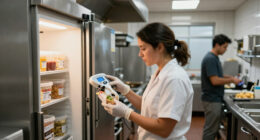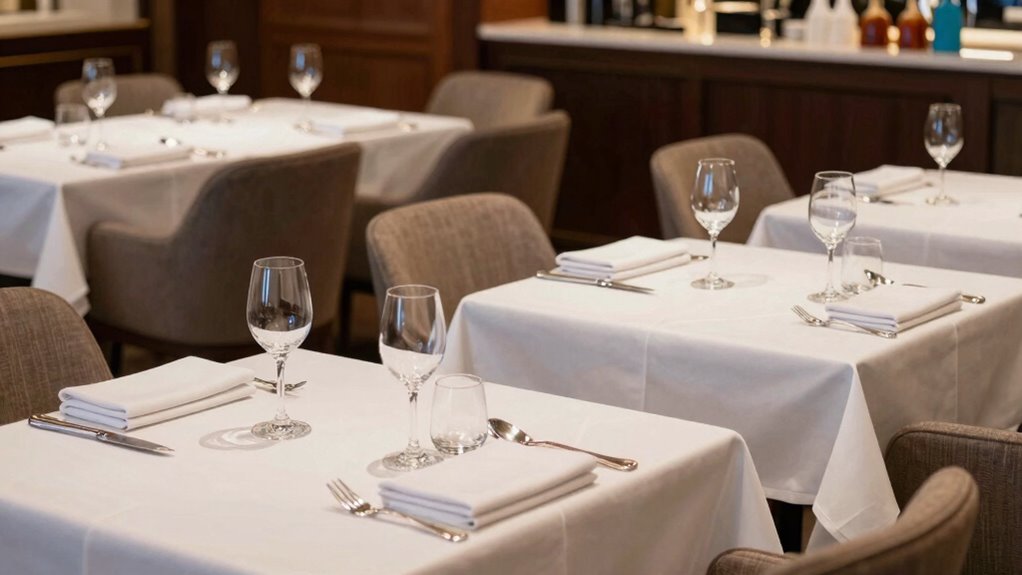

To guarantee your restaurant runs smoothly, you should conduct a weekly dining room audit focused on staff performance, cleanliness, and service standards. This includes reviewing customer feedback, checking that staff are trained and attentive, and inspecting the overall ambiance. Address small issues before they grow and adjust procedures as needed. Staying consistent helps you uphold quality and build a loyal customer base. If you want practical steps to perfect your audit, there’s more to explore below.

Get kitchen staples and gadgets delivered free with Prime
- Fast, free delivery on millions of items
- Prime Video, Amazon Music and more included
- Member-only deals all year
Key Takeaways
- Conduct a thorough review of cleanliness, ambiance, and table setup to ensure a welcoming environment.
- Observe staff service interactions for attentiveness, friendliness, and adherence to standards.
- Collect and analyze customer feedback to identify recurring issues and areas for improvement.
- Evaluate staff knowledge and handling of difficult situations to maintain professional service.
- Implement targeted action plans based on audit findings to continuously enhance guest satisfaction.
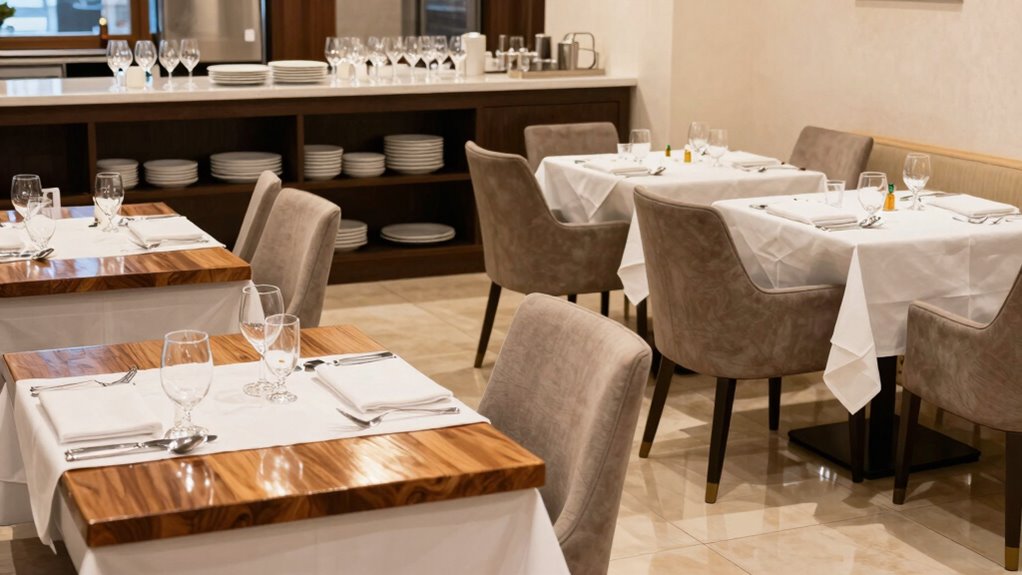
Ever wondered how to guarantee your dining room consistently offers a first-rate experience? The key lies in running a focused weekly audit that keeps your operation sharp and customer-focused. This audit isn’t about checking off chores; it’s about proactively maintaining excellence in every detail of your dining environment. To do this effectively, you need to pay close attention to your staff training and customer feedback, two essential areas that directly impact guest satisfaction.
Start by reviewing your staff training. Are your team members fully aware of the service standards you aim for? Do they know how to handle difficult situations with professionalism and grace? During your weekly audit, observe how staff interacts with guests—are they attentive, friendly, and efficient? Take notes on areas where they excel and identify gaps that need addressing. If you notice repeated issues, it’s a sign that additional staff training might be necessary. Regularly updating and reinforcing training ensures your team remains confident and consistent, which is *vital* for delivering a top-tier dining experience. Remember, well-trained staff don’t just serve food—they create memorable moments for your guests.
Regularly review staff training to ensure confidence, consistency, and memorable guest experiences.
Next, gather and analyze customer feedback. This can be through comment cards, online reviews, or direct conversations. Look for patterns—are there recurring complaints or compliments? For example, if multiple guests mention slow service or cold dishes, it’s time to dig deeper into those issues. Your weekly audit should include a review of recent feedback and an honest assessment of how well you’re addressing guest concerns. Incorporating consistent feedback from your guests can help you identify areas for improvement and adapt your approach effectively. Additionally, understanding the importance of customer satisfaction can guide how you prioritize changes. Regularly reviewing and acting on feedback can also help prevent small issues from escalating into larger problems. Incorporating customer insights into your routine allows you to stay connected to your guests’ evolving needs and expectations. Furthermore, understanding cultural sensitivities can enhance your staff’s ability to serve diverse guests, fostering a more inclusive dining environment. Recognizing the role of staff accountability can also motivate your team to uphold high standards consistently.
Finally, combine insights from staff performance and customer feedback to make actionable improvements. Use what you learn to adjust training programs, refine service procedures, and enhance the overall ambiance. Doing this weekly keeps your restaurant agile, responsive, and committed to excellence. By consistently running this simple yet powerful audit, you’re not only maintaining high standards but also building a reputation for reliability and exceptional service. Over time, this routine will foster a team that’s motivated and a customer base that keeps coming back, confident that every visit will meet their expectations.
restaurant staff training manual
As an affiliate, we earn on qualifying purchases.
As an affiliate, we earn on qualifying purchases.
Frequently Asked Questions
How Long Should a Weekly Dining Room Audit Take?
You should aim to complete your weekly dining room audit within 30 to 45 minutes. During this time, focus on checking menu consistency, guaranteeing each dish looks and tastes as expected. Also, review customer feedback and observe service flow. This allows you to identify areas needing improvement quickly. Keeping it concise helps maintain staff engagement and ensures you’re regularly addressing issues, ultimately enhancing overall customer satisfaction.
Who Should Conduct the Dining Room Audit?
You should conduct the dining room audit yourself or assign a manager to do it. During the audit, involve staff training by observing how well staff interact with customers, and gather customer feedback to identify areas for improvement. Your active participation guarantees consistency and shows your team that maintaining high standards is a priority. Regular audits help you catch issues early and improve the overall dining experience.
What Specific Areas Should Be Prioritized During the Audit?
You should prioritize table cleanliness and staff presentation during your audit. Check if tables are spotless and properly set, ensuring no crumbs or spills remain. Observe if staff wear clean uniforms and maintain a professional appearance. These details impact guests’ first impressions and overall experience. Regularly inspecting these areas helps maintain high standards, enhances customer satisfaction, and keeps your restaurant looking polished and inviting at all times.
How Can Audit Findings Be Effectively Communicated to Staff?
Ever wonder how to guarantee staff truly understands audit findings? You should use feedback techniques that promote staff engagement, like open discussions or visual summaries, to make the information clear. Communicate findings promptly and positively, emphasizing improvement rather than blame. By involving staff and encouraging their input, you foster a team-focused environment, making it more likely they’ll embrace changes and continuously improve based on your audit results.
What Tools or Checklists Are Recommended for the Audit?
You should use checklists that focus on inventory management and customer feedback to streamline your audit. Incorporate tools like digital or paper checklists to track cleanliness, stock levels, and guest comments. These tools guarantee consistency, help identify issues quickly, and make it easier to communicate findings to staff. Regularly updating your checklists based on feedback will improve your audit process and enhance overall restaurant performance.
Conclusion
Running a weekly dining room audit isn’t just about catching mistakes; it’s about creating a rhythm that keeps your restaurant sharp and inviting. When you stay consistent, you notice small details that make big differences—cleanliness, service flow, ambiance. It’s a coincidence, really, how these checks become second nature, quietly shaping a better experience for your guests. Keep the rhythm steady, and your restaurant will always feel fresh, welcoming, and just right.
NFL season / tailgating Picks
team gear
As an affiliate, we earn on qualifying purchases.