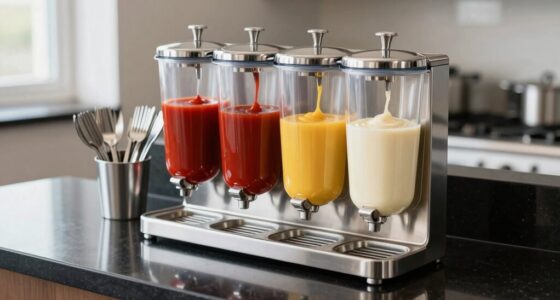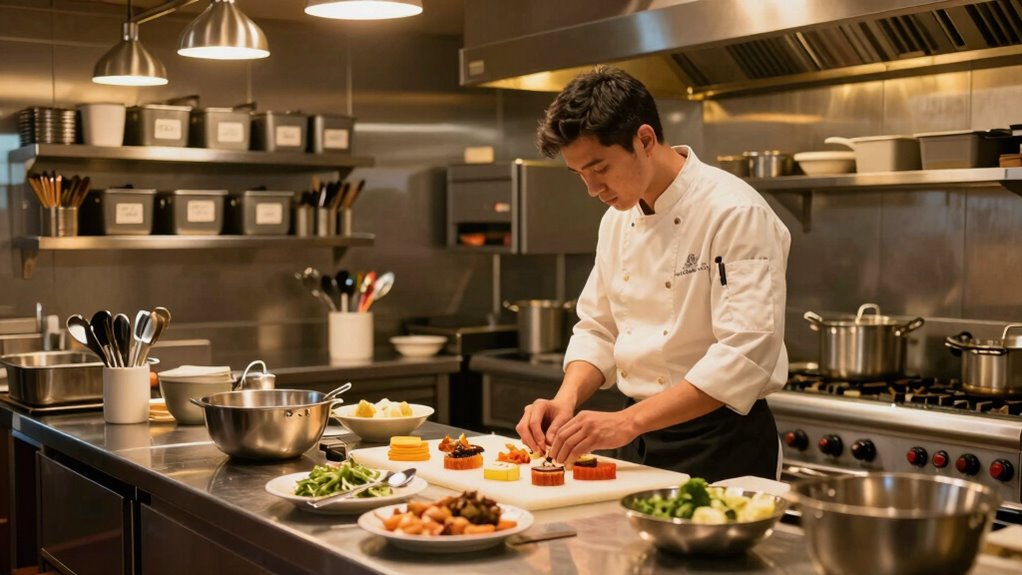

Building strong systems before adding complexity is essential because it helps guarantee consistency, efficiency, and smooth operations as your restaurant grows. When you establish reliable processes and train staff properly, you minimize errors and waste, making it easier to introduce new menu items or expand. A solid foundation allows you to scale without sacrificing quality or customer experience. Keep exploring to discover how mastering this approach can set you up for long-term success.

Get kitchen staples and gadgets delivered free with Prime
- Fast, free delivery on millions of items
- Prime Video, Amazon Music and more included
- Member-only deals all year
Key Takeaways
- Solid systems ensure operational consistency, reducing errors and waste as complexity increases.
- Building a strong foundation allows for smoother scaling without compromising quality.
- Clear processes and training prepare staff to handle new challenges confidently.
- Prioritizing systems prevents chaos and maintains customer satisfaction during menu or service expansions.
- Efficient workflows facilitate growth by managing increased volume and complexity sustainably.

Building a successful restaurant isn’t about adding more dishes or complex processes right away; it’s about establishing solid systems first. When you focus on creating reliable systems, you set a foundation that can support growth and adaptation down the line. One of the most important systems to prioritize is staff training. You need your team to understand your standards, procedures, and expectations from the start. Proper training guarantees consistency in service, quality, and safety, which directly impacts customer satisfaction. When your staff is well-trained, they can handle busy nights, special requests, and unforeseen issues smoothly, creating a seamless experience for your guests. This consistency builds trust and encourages repeat business, which is essential before expanding your menu or trying new concepts.
Speaking of menus, many restaurant owners believe that menu innovation will automatically attract more customers. While a fresh, exciting menu can boost interest, it shouldn’t come at the expense of operational stability. In fact, introducing new dishes without a strong system in place can lead to confusion, errors, and wasted ingredients. Instead, you should refine your existing menu first, ensuring your kitchen and staff can execute every dish perfectly. Once your team is confident and your processes are efficient, then you can experiment with menu innovation. This phased approach allows you to add complexity gradually, testing new dishes in a controlled environment where your systems support quality and consistency. Additionally, ensuring your inventory management is efficient helps prevent shortages and overstocking, supporting steady operations as you grow.
Building solid systems also means streamlining processes like inventory management, order flow, and customer service protocols. When each step is clearly defined and consistently followed, you reduce waste, improve efficiency, and lower the risk of mistakes. This clarity allows you to identify bottlenecks and areas for improvement without feeling overwhelmed. Developing a comprehensive understanding of your workflow can help you optimize daily operations and prepare for future expansion. Furthermore, focusing on standardized procedures ensures that your team performs consistently no matter who is working, which is vital as you scale. As your systems become more robust, you gain the ability to handle increased volume or new offerings without sacrificing quality. Only then should you consider scaling up or adding more complexity, knowing your foundation is strong enough to support it.
Frequently Asked Questions
How Do You Identify Which Systems to Prioritize First?
You should start by applying prioritization strategies based on impact and urgency. Focus on systems that enhance core operations and support growth, guaranteeing they’re scalable for future demands. Assess which processes need immediate efficiency boosts versus those that can wait. By identifying high-value areas, you guarantee your systems are scalable and adaptable, laying a solid foundation without unnecessary complexity. This approach keeps your restaurant agile and prepared for growth.
What Are Common Pitfalls When Building Restaurant Systems?
One common pitfall is neglecting menu consistency and staff training, which can sabotage your systems from the start. If you rush to implement processes without ensuring your team understands them, chaos ensues. The key mistake is overlooking how these foundational elements intertwine, causing confusion and inconsistency. Without clear training and a steady menu, your systems can become more of a burden than a benefit, risking your restaurant’s success.
How Long Does It Typically Take to Establish Effective Systems?
It typically takes several months to establish effective systems in your restaurant. During this period, you focus on staff training to guarantee everyone follows procedures smoothly, and you set up routines for equipment maintenance to prevent breakdowns. Consistency is key, so you’ll need ongoing adjustments based on feedback and performance. With patience and dedication, your systems will become second nature, helping your restaurant run efficiently and improve customer satisfaction.
Can Small Restaurants Benefit From Complex Systems Initially?
Small restaurants can benefit from simple, well-designed systems initially, especially for menu innovation and staff training. While complex systems might seem appealing, they can overwhelm your team and hinder flexibility. Starting with clear, manageable processes helps you refine operations without adding unnecessary complexity. As your restaurant grows, you can gradually implement more sophisticated systems, ensuring your staff stays trained and your menu remains innovative without chaos.
What Tools Are Best for Designing Restaurant Systems?
Smart software stands out when designing restaurant systems. You should consider tools like Toast or Upserve for menu automation, streamlining your offerings efficiently. For staff scheduling, platforms like 7shifts or Deputy help you handle shifts hassle-free. These tools provide a solid foundation, simplifying complex tasks and supporting growth. By choosing the right technology, you create a cohesive, manageable system that scales smoothly, setting your restaurant up for sustained success.
Conclusion
By building solid systems first, you set a strong foundation that can handle growth and complexity. Studies show that businesses with well-established processes are 30% more likely to scale successfully without chaos. So, before adding new menu items or expanding locations, focus on refining your systems. This approach not only streamlines operations but also guarantees your restaurant remains resilient and efficient, no matter how much you grow. Prioritize systems now, and complexity will become your catalyst, not your chaos.
NFL season / tailgating Picks
team gear
As an affiliate, we earn on qualifying purchases.