
Balancing sustainability, food quality, branding, and costs is key in takeout and delivery packaging. Eco-friendly options may cost more or be less durable, risking leaks or sogginess, while traditional packaging can harm the environment. To succeed, you must find the right mix that satisfies customer expectations and aligns with your operational goals. Exploring these trade-offs more deeply can help you make smarter choices for your restaurant’s success.
Key Takeaways
- Balancing eco-friendly materials with durability to prevent leaks and maintain food quality during transit.
- Managing increased costs of sustainable packaging while ensuring affordability for customers and profitability for the restaurant.
- Choosing packaging that optimizes space and weight to control delivery logistics and reduce shipping expenses.
- Ensuring packaging aligns with branding goals without compromising practicality or environmental commitments.
- Experimenting with materials and designs to find the best mix of sustainability, functionality, and customer satisfaction.
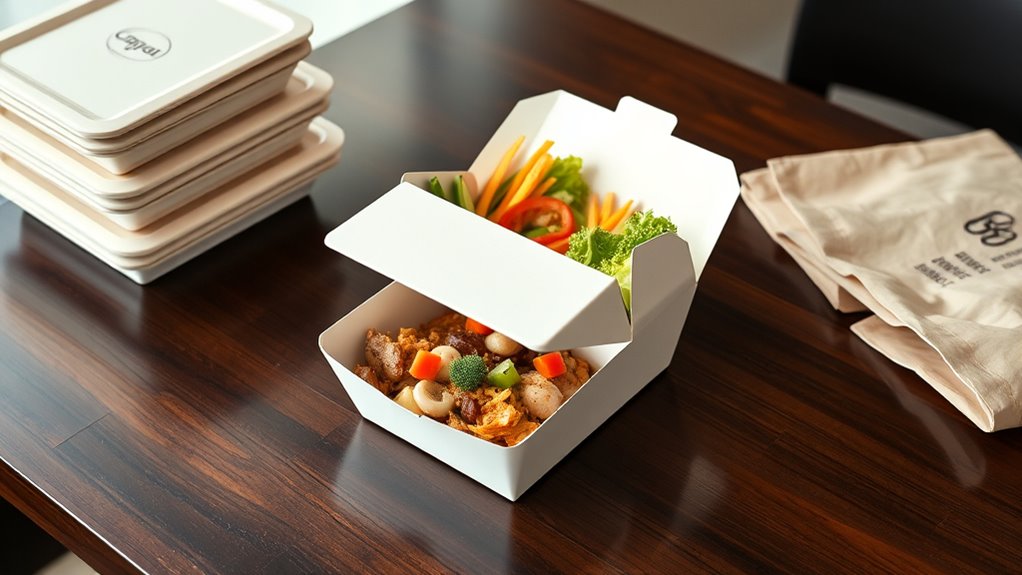
Have you ever wondered how your favorite takeout dishes stay fresh and intact during delivery? The secret lies in the packaging, which plays a fundamental role in maintaining food quality while also addressing practical concerns for restaurants and customers alike. One of the biggest considerations today is choosing eco-friendly materials. These packaging options are designed to reduce environmental impact by using renewable resources, recycled content, or biodegradable components. Not only do they help your favorite eateries meet sustainability goals, but they also appeal to environmentally conscious consumers. Eco friendly materials can include compostable containers, paper-based wraps, and plant-based plastics, all of which break down more easily than traditional plastics and minimize waste in landfills. Employing such packaging demonstrates a restaurant’s commitment to sustainability, which can enhance its brand image and foster customer loyalty. Additionally, understanding the impact of spiritual energy on consumer perceptions can influence how brands communicate their values and connect with customers on a deeper level, fostering loyalty beyond just the product.
At the same time, packaging serves as a powerful branding opportunity. When your favorite restaurant uses distinctive, well-designed containers, it reinforces brand recognition and creates a memorable unboxing experience. Custom printing on boxes, bags, or sleeves not only promotes the restaurant’s logo and colors but also communicates its values and personality. This branding can turn a simple meal into an experience, keeping the restaurant top of mind for future orders. Many establishments leverage eco-friendly materials as a canvas for their branding, subtly emphasizing their commitment to sustainability alongside their visual identity. This dual purpose makes eco-conscious packaging a smart investment, as it combines environmental responsibility with marketing strategy.
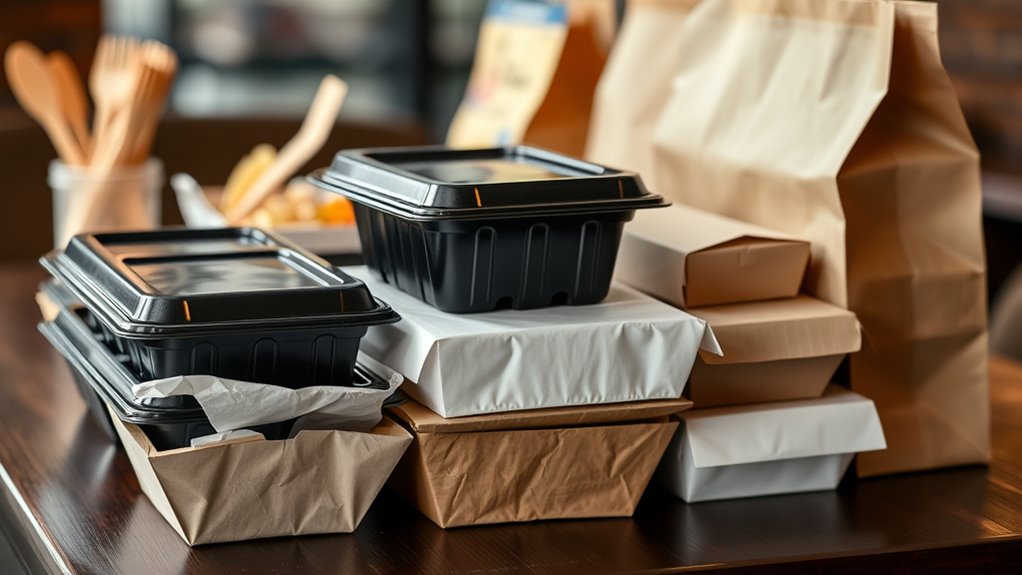
However, balancing eco-friendly materials and branding opportunities isn’t always straightforward. Some sustainable options might be more expensive or less durable, which could impact the food’s presentation or shelf life during delivery. For example, biodegradable containers may not withstand moisture or heat as well as traditional plastics, risking leaks or soggy food. On the other hand, branded packaging that’s too bulky or heavy could increase delivery costs or complicate stacking. That’s why many restaurants carefully evaluate the trade-offs between environmental benefits, cost, durability, and branding impact. They often experiment with different materials and designs to find the right mix that satisfies customer expectations, aligns with their brand values, and stays within budget.
Ultimately, the choice of packaging reflects a restaurant’s operational priorities and vision. Eco-friendly materials offer a way to reduce environmental impact while providing opportunities to strengthen branding efforts. It’s about making smart choices that protect the planet without sacrificing the quality and presentation of your favorite takeout dishes. Through thoughtful packaging, restaurants can deliver not just delicious food, but also a message of responsibility and identity that resonates with today’s conscious consumers.
Frequently Asked Questions
How Do Packaging Choices Impact Food Safety Standards?
Your packaging choices directly impact food safety standards by influencing food contamination risks. Using appropriate packaging material helps prevent contamination from external factors, like bacteria or moisture. If you select the wrong material, it can lead to spoilage or cross-contamination, compromising safety. Always choose packaging that’s food-grade and suitable for the type of food. This guarantees your food stays safe, fresh, and compliant with safety standards during transit.
What Are the Environmental Implications of Different Packaging Materials?
Your packaging choices can dramatically impact the environment; using non-biodegradable materials is like fueling a never-ending pollution fire. Opting for biodegradable alternatives helps reduce waste, while ensuring packaging recyclability minimizes landfill overflow. These eco-friendly options protect our planet’s future, cut down on plastic pollution, and promote sustainability. By making conscious decisions today, you help preserve natural resources and create a cleaner, healthier environment for generations to come.
How Can Packaging Be Optimized for Temperature Retention?
To optimize packaging for temperature retention, you should use high-quality insulation materials like foam or thermal liners that keep food hot or cold. Incorporate temperature indicators to monitor the internal temperature during transit, ensuring freshness. Additionally, sealing containers tightly prevents heat exchange. Regularly testing different insulation options and indicators helps identify the most effective solutions, ensuring your food stays at the desired temperature until delivery.
What Are Cost-Effective Solutions for Sustainable Packaging?
You can save costs and boost sustainability by switching to biodegradable alternatives and reusable containers. Biodegradable options, like plant-based plastics, break down faster and reduce environmental impact. Reusable containers, used for both takeout and delivery, cut down on single-use waste and can be sanitized for repeated use. These solutions are cost-effective over time, appealing to eco-conscious customers while lowering your packaging expenses.
How Does Packaging Influence Customer Satisfaction and Brand Loyalty?
Imagine opening a beautifully presented package that feels just right in your hands—that’s how packaging influences your satisfaction and brand perception. When packaging is attractive and thoughtfully designed, it elevates the experience, making you more likely to trust and stay loyal to the brand. Good packaging aesthetics not only delight you but also reinforce the brand’s image, turning a simple transaction into a memorable moment that keeps you coming back.
Conclusion
So, next time you marvel at your stubbornly soggy fries or the mysterious leak in your takeout box, just remember—it’s all part of the grand packaging comedy. You’re the star of this deliciously chaotic show, where durability and eco-friendliness dance a tricky tango. Who knew that delivering hot, crispy food could be such a high-wire act? Bon appétit! Just don’t be surprised if your leftovers come with a side of packaging irony.