During the first hour, you should watch guest flow closely, monitoring seating speed, wait times, and how customers enter and are seated. Keep a sharp eye on staff coordination, ensuring communication and workload are balanced. Address any early bottlenecks or customer dissatisfaction immediately to prevent bigger issues. Maintain service standards by reinforcing positive behaviors and using feedback to guide adjustments. If you continue exploring, you’ll discover more essential strategies to make the most of this critical period.
Open a free Amazon Business account
Business pricing, bulk buying and tax-exempt orders.
As an affiliate, we earn on qualifying purchases.
Key Takeaways
- Monitor guest flow and seating efficiency to prevent bottlenecks and ensure smooth entry and seating.
- Observe staff coordination, workload distribution, and communication for early signs of disorganization.
- Identify and address customer wait times or dissatisfaction issues promptly.
- Reinforce service standards and quality to set a positive tone for the shift.
- Utilize technology and feedback to quickly resolve issues and optimize operations.
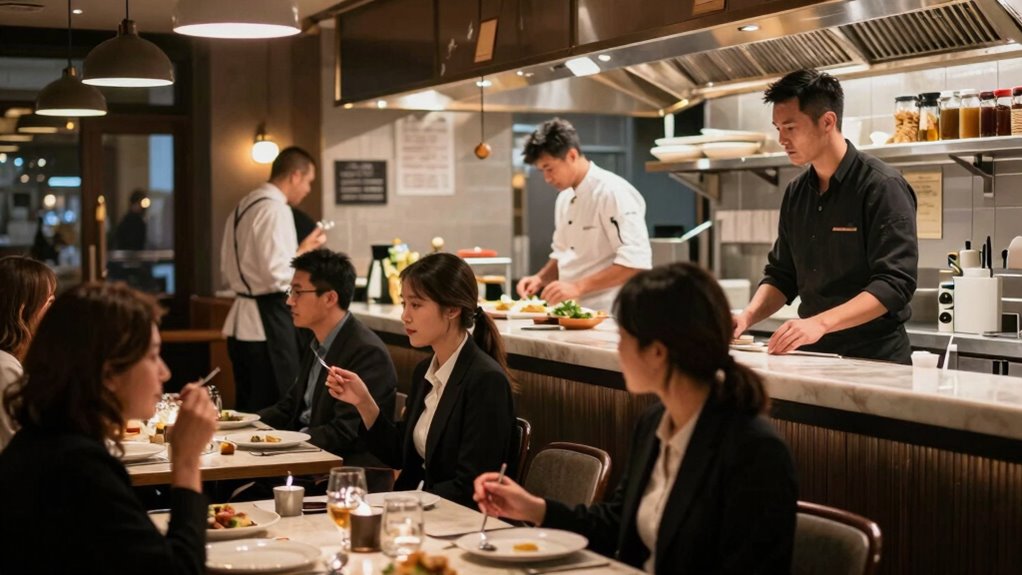
The first hour of service sets the tone for the entire shift, and as a restaurant manager, your role is crucial in guaranteeing everything runs smoothly. During this critical period, your focus should be on managing customer flow and staff coordination. Customer flow refers to how smoothly guests are entering, being seated, and ordering, while staff coordination involves aligning your team’s efforts to deliver efficient service. If either aspect falters early on, it can ripple through the rest of the shift, affecting both customer satisfaction and staff morale.
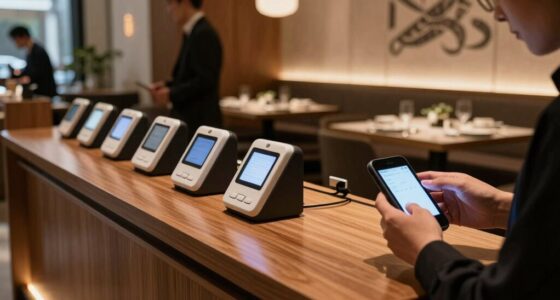
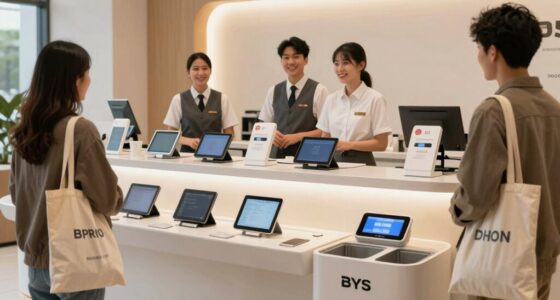
Right at the start, you need to monitor how quickly guests are being seated and how efficiently the host staff is managing reservations and walk-ins. If lines start forming or wait times increase, step in to adjust seating and communicate with hosts to prioritize flow management. Keeping an eye on customer flow helps you identify bottlenecks early, so you can make quick decisions—maybe opening an additional section or redirecting staff to clear congestion. Your proactive approach keeps the dining experience positive and prevents frustration from building up. Recognizing early signs of customer flow issues allows you to intervene before they escalate into larger problems. Additionally, understanding restaurant operations can help you anticipate potential challenges and adapt quickly to changing circumstances. Maintaining a clear understanding of service standards further supports consistent quality during busy periods.
Monitor seating speed and manage reservations early to prevent bottlenecks and ensure a smooth dining flow.
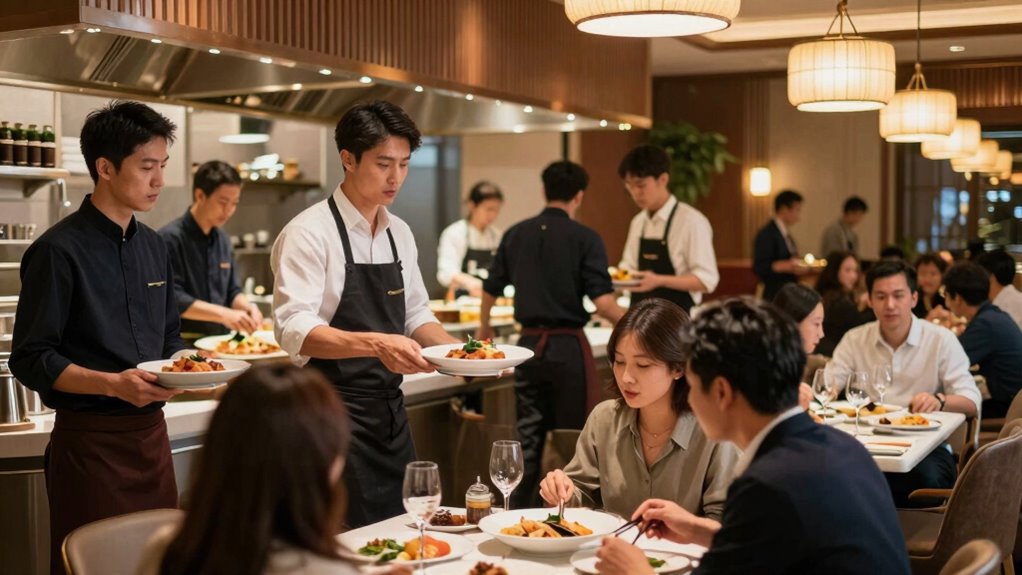
As the hour progresses, observe how well your staff is handling the workload. Are they staying organized? Are they maintaining good communication with each other? If you see signs of stress or disorganization, intervene—reassign tasks, provide encouragement, or offer support where needed. Your presence helps maintain calm and focus, preventing small issues from escalating into larger problems. This active oversight ensures that service remains prompt and attentive, setting a standard that your team can follow throughout the shift. Also, paying attention to staff performance can help you identify training opportunities and improve team cohesion for future shifts.
Finally, use this initial period to gather feedback from staff and guests. Are customers satisfied with their experience? Are staff members comfortable and clear on their tasks? Address any issues immediately, and reinforce positive behaviors. This strategy helps foster a cohesive team and creates an environment where customer flow stays steady, and service quality remains high. Additionally, leveraging technology tools can streamline communication and improve overall efficiency. Remember, the first hour is your opportunity to establish momentum—your vigilance and leadership here can make all the difference for a successful shift.
restaurant reservation management system
As an affiliate, we earn on qualifying purchases.
As an affiliate, we earn on qualifying purchases.
Frequently Asked Questions
How Can I Effectively Delegate Tasks During Peak Hours?
To effectively delegate tasks during peak hours, focus on clear communication flow and staff training. Assign specific roles based on team strengths, and guarantee everyone understands their responsibilities. Use quick check-ins to address issues promptly, and encourage open dialogue. Proper staff training helps your team handle unexpected situations confidently, while maintaining a steady communication flow ensures smooth service. This approach keeps your restaurant running efficiently during busy times.
What Are Signs of Guest Satisfaction to Monitor Early?
You should watch for positive guest feedback and smooth table turnover as signs of early guest satisfaction. Happy guests often share compliments or smile, indicating they’re enjoying their experience. Quick table turnover shows efficient service, meaning guests are satisfied enough to dine comfortably within a reasonable time. If you notice these signs, it’s a good indicator that your team’s efforts are paying off, and guests are leaving happy.
How Should I Handle Unexpected Service Delays?
When faced with unexpected delays, don’t let it snowball. Address customer feedback promptly, apologize sincerely, and keep guests informed about the delay’s cause and expected wait time. Maintain open staff communication to coordinate swift solutions. Your proactive approach shows you care, turning a potential complaint into a positive experience. Remember, transparency and a genuine attitude can help smooth over rough patches, keeping guests satisfied despite the hiccup.
What Quick Troubleshooting Steps for Common Kitchen Issues?
When troubleshooting common kitchen issues, start by checking your kitchen equipment to identify any malfunctions or safety hazards. Make certain all appliances are functioning correctly and promptly address any breakdowns. Next, verify ingredient freshness to prevent quality issues and delays. If you notice problems, communicate with your team, reset or repair equipment as needed, and source fresh ingredients quickly. Staying proactive helps maintain smooth service and customer satisfaction.
How to Motivate Staff During the First Busy Hour?
To motivate staff during the first busy hour, you should foster strong team communication by clearly assigning roles and encouraging quick, positive interactions. Use staff incentives like small rewards or recognition to boost morale and engagement. Keep the energy upbeat and supportive, reinforcing teamwork and emphasizing the importance of each person’s contribution. This approach helps your team stay focused, motivated, and efficient, ensuring a smooth and successful start to service.
Conclusion
In the first hour of service, your attentiveness sets the tone for the entire shift. By actively monitoring staff, guest satisfaction, and table turnover, you guarantee smooth operations. For example, catching a slow kitchen or a delayed order early can prevent bigger issues later. Stay engaged, communicate clearly, and be ready to step in if needed. Your proactive approach creates a positive experience that keeps guests happy and the restaurant running seamlessly.
Flea & tick season Picks
flea and tick prevention
As an affiliate, we earn on qualifying purchases.