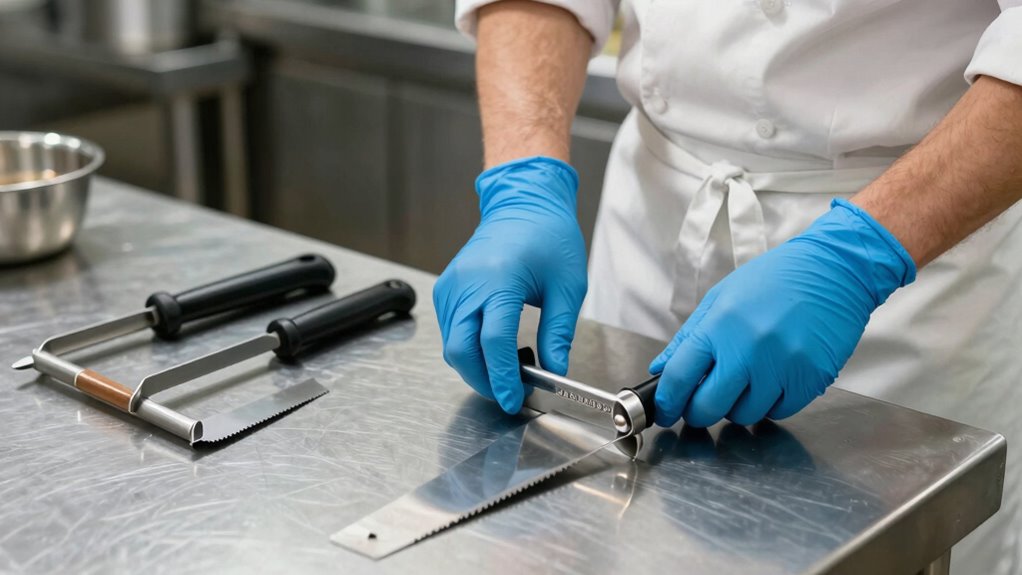
Before you prioritize speed when operating bone saws and tenderizers, it’s vital to focus on safety training first. Proper maintenance, understanding safety features, and using PPE reduce injury risks and keep equipment working efficiently. Ergonomic techniques and routine checks help prevent fatigue and accidents. Rushing increases the chance of mistakes and injury. If you keep these safety measures in mind, you’ll operate more effectively and safely—stick around to discover how to implement these practices successfully.
Key Takeaways
- Prioritize comprehensive safety training to ensure operators understand equipment hazards and proper handling procedures.
- Emphasize routine maintenance and safety checks to prevent malfunctions that could cause injuries.
- Encourage ergonomic practices and proper PPE use to reduce fatigue and physical strain during operation.
- Reinforce that following safety protocols is essential before increasing speed or productivity.
- Recognize that safety awareness minimizes accidents, ensuring longer equipment lifespan and consistent work quality.
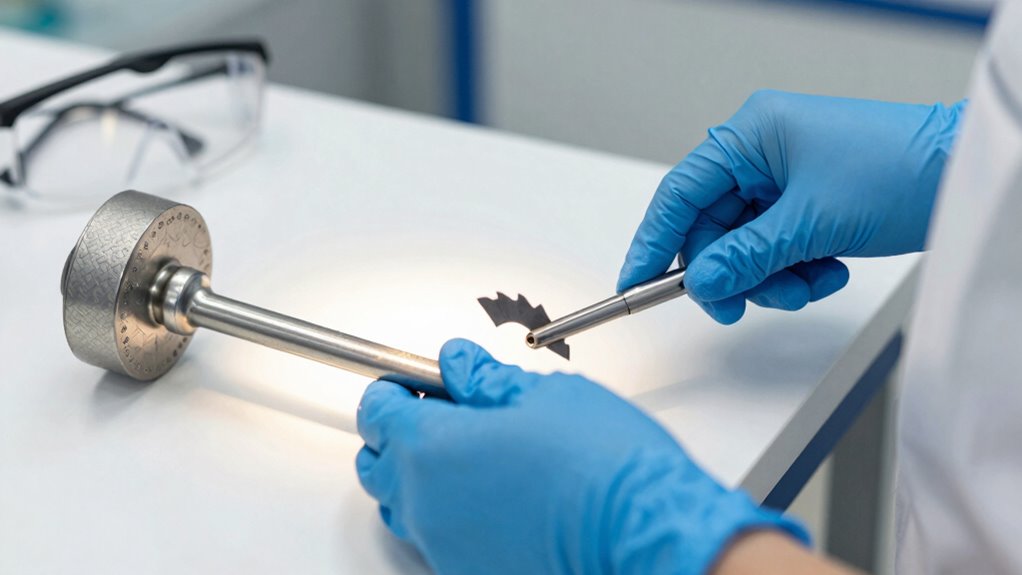
When it comes to using bone saws and tenderizers in your kitchen or processing facility, safety should always take precedence over speed. These powerful tools can significantly boost productivity, but only if you prioritize proper procedures. One of the most critical aspects of safe operation is ensuring your equipment is well-maintained. Regular equipment maintenance prevents unexpected breakdowns and reduces the risk of accidents caused by faulty blades or malfunctioning motors. Keep blades sharp and aligned, and check electrical connections frequently. Well-maintained equipment not only operates more efficiently but also minimizes safety hazards, giving you peace of mind while working.
Prioritize equipment maintenance—sharp blades and secure connections ensure safety and efficiency in your work.
Operator ergonomics is equally vital. Long hours of handling heavy, vibrating equipment can strain your body and lead to fatigue, which increases the likelihood of mistakes or injuries. Invest in adjustable stands or supports to bring the tool to a comfortable working height, reducing bending or reaching. Use anti-vibration gloves and ensure your stance offers stability. Taking short breaks and stretching periodically helps maintain focus and physical well-being. Remember, fatigue compromises your ability to maintain safe practices, so ergonomic considerations aren’t just about comfort—they’re about safety. Additionally, understanding the importance of equipment maintenance can help prevent accidents and ensure longevity of your tools. Proper training also emphasizes the significance of safety features, ensuring operators know how to utilize and respond to safety mechanisms effectively. Before starting any task, familiarize yourself with the specific safety features of your bone saw or tenderizer. Always wear appropriate protective gear, including cut-resistant gloves, eye protection, and aprons. Clear your workspace of unnecessary clutter to prevent tripping or accidental contact with moving parts. When operating the equipment, keep your hands away from blades or tenderizing plates, and use push sticks or tools when necessary to guide the meat. Never override safety devices or take shortcuts—these protections are there for your safety.
Training is essential; it’s not something you can learn on the fly. Proper training ensures you understand how to operate the machinery safely and efficiently. It also teaches you how to perform routine checks and maintenance, keeping the equipment in top shape. Moreover, training emphasizes ergonomic techniques, helping you work smarter, not harder, and reducing the risk of musculoskeletal injuries. Incorporating preventative maintenance into your routine can greatly extend the lifespan of your tools and reduce downtime. Regularly reviewing safety procedures can also help reinforce best practices and keep safety at the forefront of daily operations. Remember, speed is tempting, but rushing can lead to mistakes that cause injuries or damage your tools. Prioritize safety and proper procedures—your health and the quality of your work depend on it.
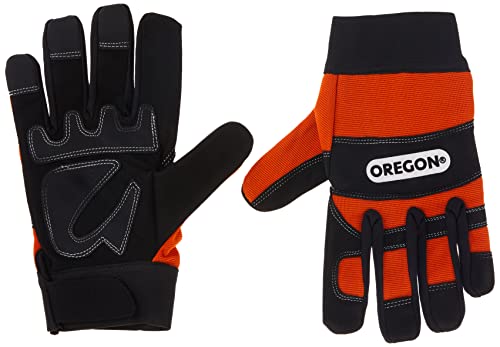
Oregon Protective Chainsaw Work Safety Gloves, Left-Hand Protection, Size Large, Black
Protects left hand while handling chainsaw
As an affiliate, we earn on qualifying purchases.
As an affiliate, we earn on qualifying purchases.
Frequently Asked Questions
How Often Should Safety Training Be Refreshed for Bone Saw Operators?
You should refresh safety training for bone saw operators at least annually to combat operator fatigue and stay current with safety protocol updates. Regular training helps reinforce safe practices, reduces the risk of accidents, and guarantees operators remain alert and knowledgeable. Additionally, frequent refreshers allow you to address new safety guidelines and adapt to evolving equipment, promoting a safer work environment and minimizing fatigue-related errors over time.
What Are Common Signs of Equipment Malfunction to Watch For?
You should watch for warning indicators like unusual vibrations, overheating, or strange noises, which signal equipment malfunction. Regularly check equipment calibration to guarantee precision and safety. If you notice inconsistent cuts or delays, stop the machine immediately and inspect it thoroughly. These signs help prevent accidents and damage. Always stay alert to warning indicators and maintain proper calibration to keep your equipment functioning safely and efficiently.
Are There Specific PPE Requirements for Using Tenderizers?
When using tenderizers, you should wear appropriate personal protective equipment (PPE) and protective clothing. For example, imagine a worker who neglects gloves and ends up with a hand injury from a vibrating tenderizer. To prevent this, always wear cut-resistant gloves and a long-sleeved apron. PPE minimizes risk, keeping your hands and body safe from potential cuts, splashes, or debris while operating this equipment.
How Should Accidental Injuries With Bone Saws Be Handled?
If you get accidentally injured with a bone saw, you should immediately stop work and follow your emergency response protocol. Apply first aid, such as controlling bleeding with a clean cloth or bandage, and seek medical attention promptly. Make certain your injury area is kept clean to prevent infection. Always report the incident to your supervisor, so proper documentation and follow-up care can be arranged. Your quick response can prevent complications.
What Maintenance Routines Ensure Safe Operation of Bone Saws?
Maintaining a bone saw is like tuning a fine instrument—your safety depends on it. Regularly check the blade sharpness to prevent slips, and guarantee all parts are clean and lubricated. After each use, promptly clean up spills to avoid slips and damage. Schedule routine inspections for wear and tear, and replace parts as needed. Consistent maintenance keeps your saw safe, efficient, and ready for every cut.
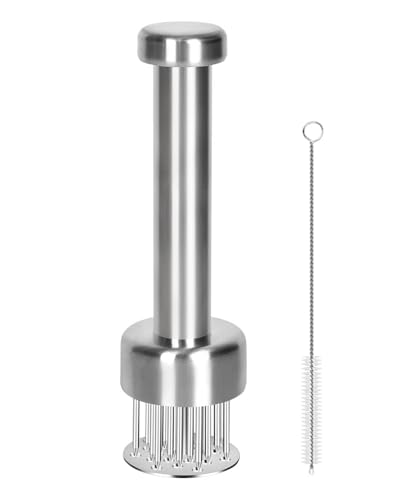
Brigii Meat Tenderizer Tool, 304 Stainless Steel Needle Tenderizer with Retractable Safety Guard, for Tenderizing Steak, Beef, Chicken, Turkey, Dishwasher Safe
【FULL 304 STAINLESS STEEL CONSTRUCTION】Unlike typical tenderizers with plastic bodies that crack over time, this tool is built…
As an affiliate, we earn on qualifying purchases.
As an affiliate, we earn on qualifying purchases.
Conclusion
Remember, safety isn’t just a stop sign—it’s the steady beat that keeps your work in harmony. Rushing might feel like chasing a fleeting breeze, but proper training anchors you like a sturdy oak. When you prioritize safety, you turn chaos into a well-choreographed dance, where skill and caution lead every step. So slow down, stay sharp, and let safety be the rhythm guiding your hands—because speed without caution is a dangerous tune to play.

Newhai Cordless Electric Bone Saw, 600W Handheld Butcher Tool with 3000mAh Battery, Variable Speed Home Butcher Saw with 5 Blades for Cutting Ribs, Frozen Meat, Poultry Bones
[Versatile Multi-Purpose Cutting]—This electric bone saw is expertly designed for a wide range of cutting tasks. It effortlessly…
As an affiliate, we earn on qualifying purchases.
As an affiliate, we earn on qualifying purchases.

XSpecial Meat Tenderizer Tool 48 Blades Stainless Steel – Kitchen Cooking Gadgets Tools with Ultra Sharp Needle That Makes Steak & Chicken Tender – No More Hammer, Meat Pounder Or Mallet
TRANSFORM TOUGH CUTS INTO TENDER MEALS! "Even $8 Steaks Taste Gourmet Now – my Guests Are Amazed!" 48-Blade…
As an affiliate, we earn on qualifying purchases.
As an affiliate, we earn on qualifying purchases.