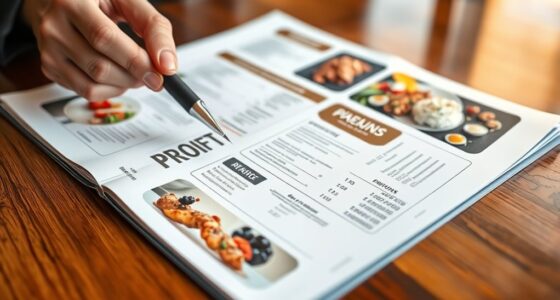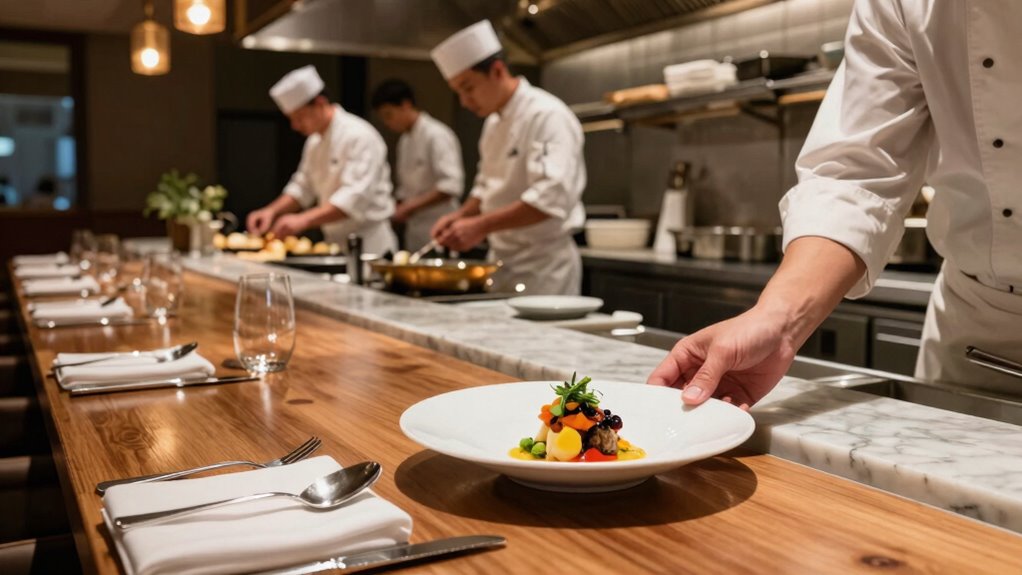

A restaurant turn goal measures how efficiently you can serve tables within a specific time, aiming to boost profitability without sacrificing service quality. It focuses on balancing speed with customer satisfaction, ensuring guests leave happy while your team maintains a steady flow. Keeping this goal helps you spot areas for improvement, train your staff, and analyze performance, ultimately leading to happier customers and more success. Interested in understanding how to set effective turn goals? Keep exploring for more insights.

Get kitchen staples and gadgets delivered free with Prime
- Fast, free delivery on millions of items
- Prime Video, Amazon Music and more included
- Member-only deals all year
Key Takeaways
- It sets a target for how quickly tables are cleared and reset during a specific period.
- It balances speed with maintaining quality and customer satisfaction.
- It helps measure operational efficiency and staff performance.
- Achieving the turn goal boosts revenue and enhances guest experience.
- Monitoring turn goals guides improvements in workflow and service delivery.
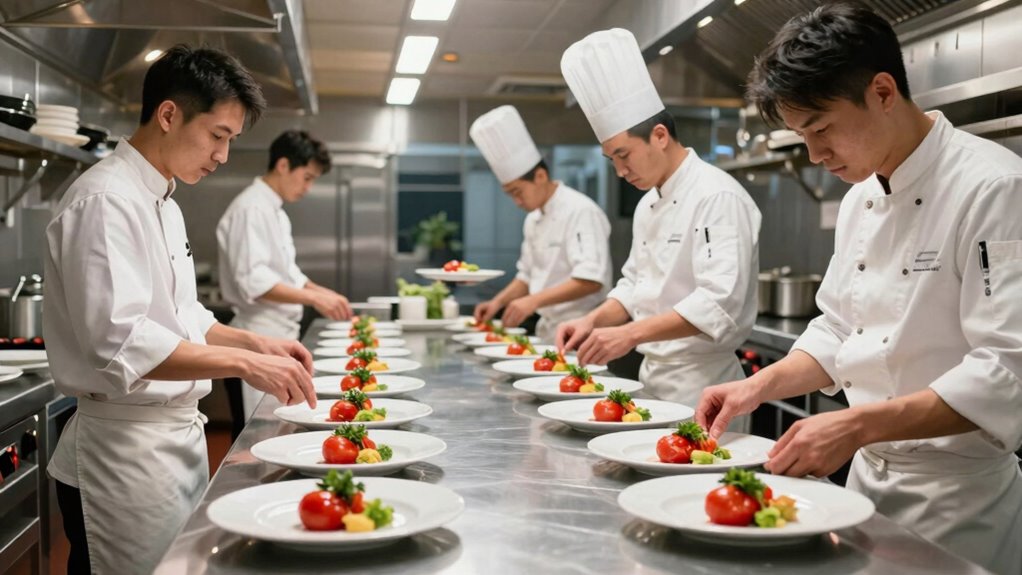
When a restaurant sets a turn goal, it’s more than just a number on a chart; it’s a clear target for efficiency and profitability. This goal reflects how many times you want your tables to turn over during a specific period, usually a shift or a day. But beyond the numbers, it’s a crucial measure of how well your restaurant is performing in delivering a seamless experience. Think of it as a way to keep your operation moving smoothly, ensuring that customers leave satisfied and the business remains profitable. Achieving this goal requires balancing speed with quality, especially when it comes to customer satisfaction. If your tables turn too quickly without providing a positive experience, you risk leaving customers feeling rushed or neglected. On the other hand, if your turn is too slow, you might lose revenue and frustrate staff who want to serve efficiently. That’s where staff training becomes critical. Properly trained staff understand how to manage their time, handle multiple tables, and anticipate customer needs—all without sacrificing service quality. When your team is well-trained, they understand how to optimize workflow and manage their responsibilities efficiently, helping to meet your turn goals while maintaining high customer satisfaction. Additionally, consistent monitoring and analysis of your operational data can help identify areas for improvement and ensure your team is aligned with your objectives. Recognizing the importance of biodiversity in creating a healthy environment can also inspire sustainable practices within your operation, promoting eco-friendly initiatives that appeal to environmentally conscious customers.
Meeting a turn goal isn’t just about speed; it’s about creating a flow that keeps guests happy. When your staff knows how to work efficiently, customers receive attentive service without feeling rushed. This balance can turn a one-time visitor into a loyal patron. Staff training plays a key role here, as it equips your team with the skills to juggle different responsibilities, such as taking orders, delivering food, and checking on guests—all while maintaining a friendly demeanor. As your team becomes more confident and proficient, you’ll notice faster turn times that don’t compromise service quality. This, in turn, boosts customer satisfaction, encouraging repeat visits and positive reviews. Also, tracking your turn goal provides insight into your operational strengths and weaknesses. If you’re falling short, it might signal that your staff needs additional training or that your processes need refining. Conversely, consistently hitting your target shows your team is working efficiently and your customers are leaving satisfied. In summary, a well-set turn goal aligns staff performance with customer expectations, leading to a more profitable and enjoyable restaurant experience for everyone involved.
As an affiliate, we earn on qualifying purchases.
Frequently Asked Questions
How Is a Restaurant Turn Goal Calculated?
You calculate a restaurant turn goal by evaluating your average customer satisfaction levels and staffing efficiency. First, determine your ideal number of tables served per shift based on your capacity and staffing. Then, track how many tables are turned over during that period. By analyzing these factors, you can set realistic goals that improve customer satisfaction and optimize staffing efficiency, helping your restaurant run smoothly and profitably.
What Factors Influence a Restaurant’s Ideal Turn Goal?
Did you know that restaurants with high customer satisfaction see up to 20% faster table turns? Your ideal turn goal depends on factors like customer satisfaction and staff efficiency. When customers are happy and your team works smoothly, tables clear quickly, boosting turnover. Balancing quality service with quick turnover is key. You need to optimize staff schedules, streamline operations, and focus on guest experience to meet your ideal turn goal effectively.
How Often Should a Restaurant Review Its Turn Goals?
You should review your turn goals regularly, ideally monthly or quarterly, to guarantee they align with customer satisfaction and staff performance. Frequent reviews help you identify bottlenecks, adapt to seasonal changes, and improve staff training. By actively monitoring and adjusting your turn goals, you create a smoother operation, which leads to happier customers and more efficient service. Consistent reviews keep your restaurant competitive and ready to meet evolving demands.
Can a Restaurant Have Multiple Turn Goals?
Absolutely, your restaurant can have multiple turn goals—think of them as ambitious targets in menu planning and staff scheduling. Maybe you aim to boost breakfast sales while reducing kitchen wait times. Juggling these goals keeps things lively and challenging. Just remember, multiple turn goals mean you’re constantly refining operations, ensuring your team stays on point, and your customers leave happier than ever. Who said achieving goals couldn’t be fun?
What Are Common Challenges in Achieving Turn Goals?
You often face challenges like inconsistent menu planning and inefficient staff scheduling, which can slow down your turn goals. When menus aren’t optimized, diners take longer to decide, and staff may be overwhelmed or underutilized. Balancing these elements is tricky, but focusing on streamlined menu options and flexible scheduling helps. Staying agile and monitoring operations allows you to overcome common hurdles and hit your turn goals more consistently.
Conclusion
Understanding what a restaurant turn goal truly means helps you see its impact on your success. It’s not just about numbers—it’s about efficiency, customer satisfaction, and growth. Did you know that reducing your turn time by just 10% can boost profits by up to 20%? That’s the power of a well-managed goal. So, keep focusing on those turns, and watch your restaurant thrive. Every minute saved brings you closer to your big success.
NFL season / tailgating Picks
team gear
As an affiliate, we earn on qualifying purchases.