🔍 Read the full analysis: Pizzoccheri Della Valtellina: Buckwheat Ribbons, Cabbage, And Cheese on Mad Tasting

Get kitchen staples and gadgets delivered free with Prime
- Fast, free delivery on millions of items
- Prime Video, Amazon Music and more included
- Member-only deals all year
TL;DR
Pizzoccheri della Valtellina is a regional Lombardian dish of buckwheat-and-wheat ribbons cooked with potatoes and cabbage, then layered with Valtellina Casera DOP and garlic-scented butter. Mad Tasting’s guide explains the dish’s connection to Teglio, practical ingredient substitutions and why traditional pizzoccheri is not gluten-free.
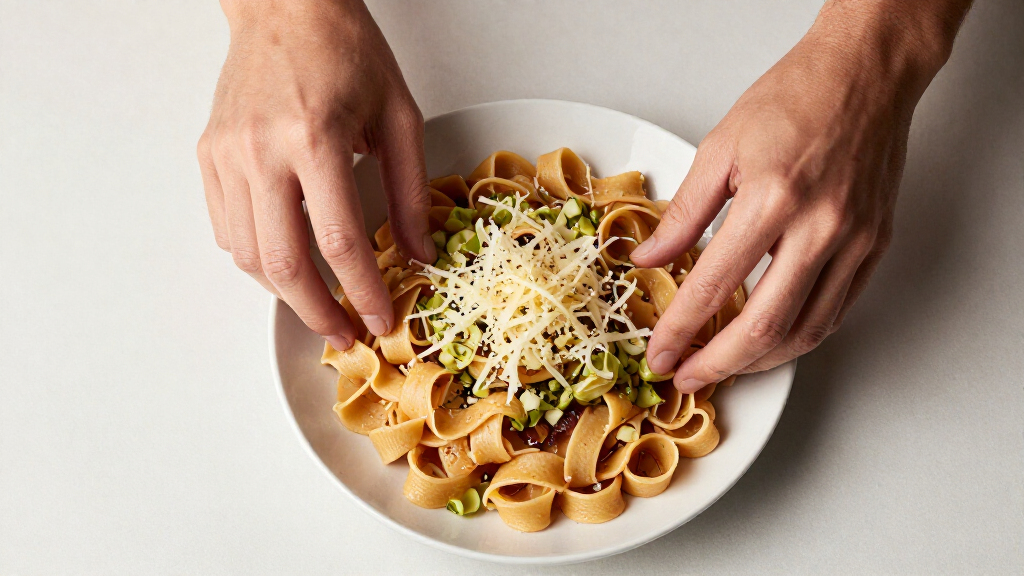
Mad Tasting has published a guide to pizzoccheri della Valtellina, the Alpine dish of buckwheat-and-wheat pasta ribbons cooked with potatoes and cabbage and finished with local cheese and garlic-scented butter. The guide sets out a practical home method and explains the recipe’s connection to Teglio and Valtellina, while warning that traditional pasta made with wheat flour is not gluten-free.
According to Mad Tasting’s guide, the dish’s familiar ingredients each contribute a different texture and flavor: buckwheat pasta has an earthy, slightly nutty taste; potatoes soften during cooking; and cabbage lends sweetness. The ingredients are assembled with Valtellina Casera DOP, a semi-hard cow’s-milk cheese, and butter scented with garlic. The guide notes that some versions may also use Bitto, another cheese from the area.
For its home-cooking method, Mad Tasting advises cooking the vegetables and pasta together in stages, following package directions when using dried pasta. The guide says to drain the ingredients well, then layer them while hot so the cheese softens into the dish, and cautions against letting the finish turn greasy. It notes that fresh pasta may cook more quickly than dried ribbons, so cooking times depend on the product.
Mad Tasting says substitutions are possible, but they change the result. A semi-hard cheese that melts well can stand in for Casera, while other cabbage varieties or leafy greens can replace Savoy cabbage. The guide recommends adding tender greens near the end of cooking. These are presented as practical home adjustments, rather than as a claim that every version is identical to the regional dish.
A Regional Dish for Home Kitchens
Mad Tasting’s guide gives readers a way to understand why this is more than pasta with vegetables: the short, sturdy ribbons are suited to holding soft potatoes, cabbage and melted cheese in one forkful. The guide describes the combination of buckwheat, produce, dairy and butter as reflecting the filling style associated with an Alpine meal, and says it can be served as a main course.
The guide also draws a useful line between a recognizable home version and a product made under regional rules. It states that the name Pizzoccheri della Valtellina has an EU Protected Geographical Indication. A home cook can use the traditional ingredients without assuming that a homemade bowl meets every requirement for the protected designation; anyone making a formal labeling claim would need to check the applicable specification and rules.
The gluten warning has direct practical importance. Mad Tasting notes that buckwheat itself is a seed, not wheat, but that the traditional pasta it describes also contains wheat flour. People who need to avoid gluten should not treat the dish as safe based on its buckwheat content alone; they would need to check the pasta’s ingredients and any relevant product information.
Products Worth Considering

Le Creuset Signature Enameled Cast Iron Round Dutch Oven, 5.5 qt, Deep Teal

Breville Grind Control Coffee Maker with Thermal Carafe, Brushed Stainless Steel

Cuisinart 14-Cup Food Processor with 720-Watt Motor, Stainless Steel (DFP-14BCNY)
As an affiliate, we earn on qualifying purchases.
Teglio and the Valtellina Tradition
Valtellina is an Alpine valley in Lombardy, northern Italy, and Mad Tasting’s guide identifies Teglio as a town closely associated with the dish’s history. The guide presents the ingredients as well suited to a mountain table: pasta, potatoes, cabbage, local cheese and butter combine into a substantial meal. It does not provide a detailed historical timeline or claim a single origin date.
The guide also says the regional name is tied to an EU PGI designation, which connects the recognized product to its place of origin and production requirements. It does not reproduce the full specification. Packaged pizzoccheri are available for home cooking beyond the valley, but a packaged product and a homemade adaptation should not automatically be treated as equivalent to a certified regional product.
Recipe Details and Dietary Limits
Mad Tasting’s source is a food guide, not a report of a new regulatory decision or a change to the dish’s protected status. It gives no publication date, full recipe quantities, cooking times, or complete PGI specification. Those details cannot be confirmed from the material provided, and the appropriate cooking time will vary by pasta product.
The guide allows for alternative cheeses and greens, but it does not set out standardized versions or nutritional information for those variations. Most importantly, a buckwheat-based name does not establish that a pasta is gluten-free: the traditional flour mix described by Mad Tasting includes wheat. Readers with dietary restrictions need to check the specific product label and preparation details.
Check Labels Before Cooking
For a home version, Mad Tasting recommends starting with buckwheat-and-wheat ribbons, potatoes, cabbage, Casera and butter, following the pasta package’s cooking instructions and assembling the ingredients while hot. The guide says those choosing a substitute should expect a different flavor or texture, especially when changing the cheese or greens.
Anyone seeking a product that qualifies for the protected designation should consult its current specification and labeling rather than relying on a home recipe summary. People avoiding gluten should check the pasta’s ingredient and allergen information before preparing or eating the dish. No further development or upcoming announcement is identified in Mad Tasting’s source material.
Key Questions
What is pizzoccheri della Valtellina?
Mad Tasting describes it as a Lombardian dish made with short, flat buckwheat-and-wheat pasta ribbons, potatoes and cabbage, finished with cheese and garlic-scented butter.
Is traditional pizzoccheri gluten-free?
No. The traditional pasta described in Mad Tasting’s guide includes wheat flour, even though buckwheat itself is not wheat. Check product labels carefully if you need to avoid gluten.
Which cheese is commonly used?
Valtellina Casera DOP is the classic choice in Mad Tasting’s guide. The guide says Bitto may also be used, and that a semi-hard cheese that melts well can work as a home substitute, though it changes the regional-style result.
Can I use a different cabbage or greens?
Mad Tasting says other cabbage varieties or leafy greens can be used, but the flavor and texture will differ. The guide recommends adding tender greens near the end so they wilt without overcooking.
Does a homemade version qualify as PGI pizzoccheri?
Not automatically. Mad Tasting’s guide says the name has an EU Protected Geographical Indication, and that the recognized product is linked to origin and production requirements. Check the current specification and labeling rules before making a formal claim.
Source: Mad Tasting