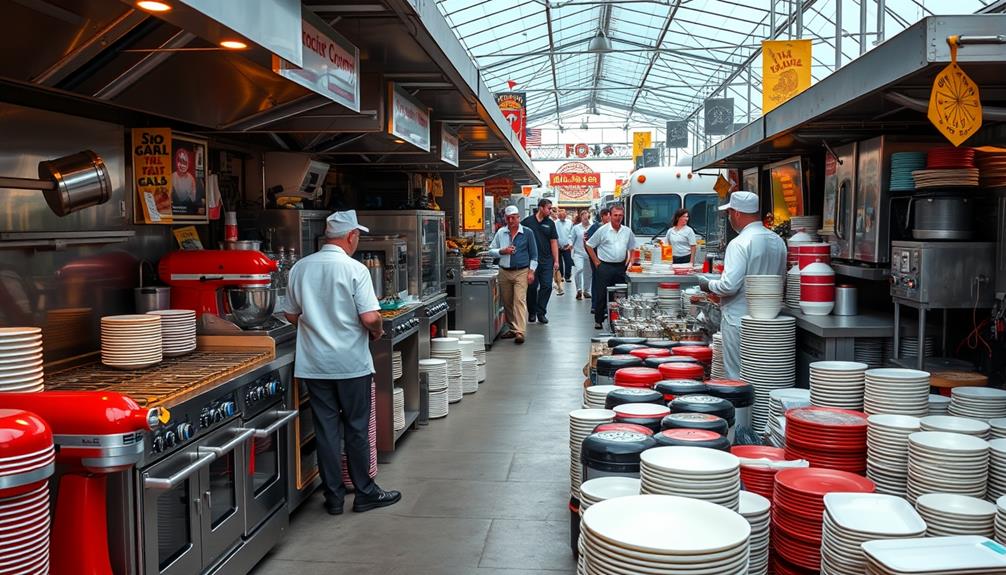

When it comes to selling used restaurant equipment, finding reliable resources is key. For 2026, two standout options are Buying and Selling Restaurant Equipment and Selling to Restaurants. The first offers practical tips on how to execute transactions effectively, while the second focuses on relationship-building and negotiation strategies with restaurant owners and chefs. Each has its strengths and tradeoffs—this guide will help you determine which aligns best with your selling goals.

Get kitchen staples and gadgets delivered free — and shop member deals
- Fast, free delivery on millions of items
- Access to Prime Big Deal Days deals on October 6–7
- Prime Video, Amazon Music and more included
Key Takeaways
- The first book is ideal for those seeking a straightforward guide to buying and selling equipment, emphasizing practical transaction tips.
- The second book excels at teaching relationship-based sales and negotiation strategies tailored for the restaurant industry.
- Both books lack detailed technical specifications, focusing instead on sales tactics and industry insights.
- Choosing depends on whether you prioritize transaction strategies or relationship-building with restaurant professionals.
- Neither book provides in-depth technical specs or reviews, so supplement with industry listings for actual sales channels.
| Buying and Selling Restaurant Equipment |  | Best for Transactional Practical Guidance | Target Audience: Restaurant owners, entrepreneurs | Focus: Transaction processes | Level: Beginner to intermediate | VIEW ON AMAZON | See Our Full Breakdown |
| Selling to Restaurants: How to Sell, Service and Negotiate With Chefs and Restaurant Owners |  | Best for Relationship-Based Sales & Negotiation | Target Audience: Salespeople, entrepreneurs | Focus: Relationship and negotiation | Level: Intermediate to advanced | VIEW ON AMAZON | See Our Full Breakdown |
| place to sell used restaurant equipment | Target Audience | Focus | Level | Coverage |
|---|---|---|---|---|
| Buying and Selling Restaurant | Restaurant owners, entrepreneurs | Transaction processes | Beginner to intermediate | Buying and selling strategies |
| Selling to Restaurants: How to | Salespeople, entrepreneurs | Relationship and negotiation | Intermediate to advanced | Sales strategies, relationship management |
More Details on Our Top Picks
Buying and Selling Restaurant Equipment
This book stands out for offering concrete strategies for navigating the buying and selling process. It’s especially useful for restaurant owners or entrepreneurs who want a clear, step-by-step approach. Compared with the second book, it’s less focused on negotiation finesse and more on execution, making it ideal for those new to the industry or who prefer straightforward transaction tips. However, it falls short on technical specifications or detailed industry data, which limits its depth for more advanced sellers.
Pros:- Provides clear guidance on buying and selling procedures
- Useful for beginners or small business owners
- Focuses on practical transaction strategies
Cons:- Lacks detailed technical specs
- No customer reviews available for validation
- Limited depth on industry-specific sales channels
Best for: Restaurant owners or entrepreneurs seeking practical transaction tips
Not ideal for: Those looking for negotiation strategies or relationship-building insights
- Target Audience:Restaurant owners, entrepreneurs
- Focus:Transaction processes
- Level:Beginner to intermediate
- Coverage:Buying and selling strategies
- Technical Detail:Minimal
- Industry Data:None
Our verdict“A solid choice for beginners who need straightforward advice on the mechanics of selling used restaurant equipment.”
Selling to Restaurants: How to Sell, Service and Negotiate With Chefs and Restaurant Owners
This book makes a distinct shift toward emphasizing relationship-building and negotiation skills. It’s better suited to those who want to develop ongoing sales relationships with restaurant professionals rather than just conduct one-off transactions. Compared with the first book, it offers deeper insights into how to connect with chefs and owners, which can lead to more consistent sales over time. Its drawback is that it doesn’t include detailed product specifications or technical data, making it less ideal for sellers who need technical knowledge or industry listings.
Pros:- Provides practical negotiation and relationship-building strategies
- Focuses on long-term industry relationships
- Ideal for sales roles in the restaurant sector
Cons:- Lacks technical details about restaurant equipment
- May not suit those outside sales or restaurant industry
- Limited focus on actual equipment sales procedures
Best for: Salespeople or entrepreneurs aiming to build long-term relationships in the restaurant industry
Not ideal for: Beginners or those seeking straightforward transaction checklists
- Target Audience:Salespeople, entrepreneurs
- Focus:Relationship and negotiation
- Level:Intermediate to advanced
- Coverage:Sales strategies, relationship management
- Technical Detail:Minimal
- Industry Data:None
Our verdict“This pick best serves sales professionals looking to develop trust and repeat business within the restaurant industry.”

How We Picked
In selecting these resources, I focused on books that specifically address the process of selling used restaurant equipment, rather than general equipment guides. I prioritized practical advice, industry relevance, and actionable strategies. Given the niche, I looked for works that target either transactional skills or relationship-based sales techniques, as these are central to successful selling in the restaurant industry. I also considered user feedback and the clarity of the guidance provided, favoring resources that offer real-world insights over theoretical content.
| place to sell used restaurant equipment | Target Audience | Focus | Level | Coverage |
|---|---|---|---|---|
| Buying and Selling Restaurant | Restaurant owners, entrepreneurs | Transaction processes | Beginner to intermediate | Buying and selling strategies |
| Selling to Restaurants: How to | Salespeople, entrepreneurs | Relationship and negotiation | Intermediate to advanced | Sales strategies, relationship management |
Factors to Consider When Choosing Place To Sell Used Restaurant Equipment
Choosing the right resource for selling used restaurant equipment depends on your specific goals—whether you want straightforward transaction advice or to master negotiation and relationship-building skills. Both books offer valuable insights, but your focus will determine which is a better fit. It’s also important to recognize what these resources lack, notably detailed technical specs or actual sales channels, so supplement your reading with industry listings and real-world practice.
Identify Your Selling Goals
First, determine whether your priority is learning the mechanics of transactions or developing relationship-based sales skills. If you want quick tips for buying and selling equipment, the first book offers practical guidance. If you aim to build ongoing relationships with restaurant owners or chefs, the second book provides strategies centered on trust and negotiation.
Consider Your Industry Experience
Beginners or small-scale sellers may prefer the straightforward approach of the first book, while seasoned salespeople or entrepreneurs aiming for repeat business might find the second more aligned with their needs. Your current familiarity with the restaurant industry influences which resource will be most beneficial.
Complement with Industry Listings
Since neither book covers detailed technical specs or actual sales channels, it’s wise to complement your reading with industry-specific listing sites and local networks. These will help you connect with buyers and understand market prices more effectively.
Frequently Asked Questions
Can I rely solely on these books to sell used restaurant equipment?
While these books provide valuable sales strategies and industry insights, relying solely on them might limit your success. Practical experience, industry listings, and direct networking remain essential components of effective selling. Use the books as foundational guides, then supplement with real-world practice and local market research.
Are these books suitable for complete beginners?
Yes, especially the first book, which offers straightforward, step-by-step guidance for those new to the process of buying and selling restaurant equipment. The second book may be better suited for individuals with some sales experience or industry familiarity, as it emphasizes negotiation and relationship-building skills.
Do these resources include technical specifications of restaurant equipment?
No, both books focus on sales techniques, negotiation, and industry relationships rather than technical details. For technical specs or detailed product descriptions, you should consult industry listings or equipment manufacturers directly.
Which book is better for building long-term sales relationships?
The second book, Selling to Restaurants, is specifically designed to teach strategies for establishing trust and repeat business with restaurant professionals. It’s ideal if your goal is ongoing sales rather than one-time transactions.
Can these books help me understand the actual market prices for used equipment?
Neither book provides comprehensive market pricing data. To determine fair prices, you should explore industry listings, online marketplaces, and local networks, using the books mainly for sales tactics and relationship strategies.
Conclusion
If you are a restaurant owner or entrepreneur seeking straightforward transaction guidance, Buying and Selling Restaurant Equipment is your best pick. For sales professionals or entrepreneurs focused on developing recurring relationships and negotiation prowess, Selling to Restaurants offers targeted strategies. Both resources, however, should be complemented with real-world market research and industry-specific listings for best results.
Fall Picks
fall essentials
As an affiliate, we earn on qualifying purchases.





![A Visual Guide To Europe’s Most Popular Olive Oil Varieties, From Koroneiki To Picual [MAP]](https://theuglykitchen.com/wp-content/uploads/2026/10/a-visual-guide-to-europe-s-most-popular-olive-oil-varieties-from-koroneiki-to-pi-featured-260x140.jpg)