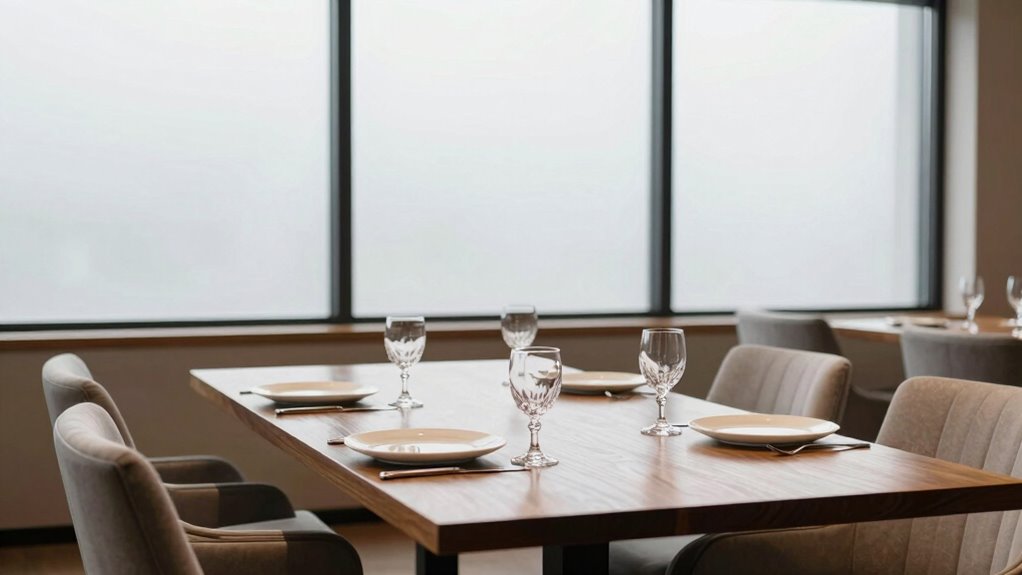

In highly efficient dining rooms, you’ll notice staff relying on silent habits like clear eye contact, gestures, and signals to coordinate quickly. They keep menus simple and well organized, regularly updating options based on feedback. Service flow is smooth because staff position themselves strategically and reduce crossing paths. Routines become automatic, minimizing unnecessary movements and noise, creating a calm atmosphere. Continue exploring how these habits build a seamless, low-stress dining experience you can master.

Get kitchen staples and gadgets delivered free with Prime
- Fast, free delivery on millions of items
- Prime Video, Amazon Music and more included
- Member-only deals all year
Key Takeaways
- Develop consistent routines and practiced habits to streamline service without relying on loud commands.
- Use non-verbal cues like eye contact and hand signals for effective communication among staff.
- Organize the room layout and staffing to prevent congestion and facilitate smooth movement.
- Maintain a simplified, well-updated menu to reduce confusion and unnecessary interactions.
- Foster discipline, teamwork, and familiarity to create a calm, efficient dining environment.

A well-run dining room operates smoothly not by loud commands or frantic movements, but through silent, practiced habits that promote efficiency. One of the key factors is menu organization. You keep the menu simple, clear, and logically arranged, making it easy for both staff and guests to navigate. Items are grouped by categories, and descriptions are concise yet informative. This clarity minimizes confusion during busy hours and helps servers remember orders effortlessly. When the menu is well-organized, it reduces the need for constant clarifications, allowing everyone to work more seamlessly. You also guarantee the menu is updated regularly, removing items that don’t sell well and adding new options based on customer feedback. This keeps operations smooth and prevents unnecessary delays. Additionally, maintaining a consistent workflow helps staff anticipate each other’s actions and reduces unnecessary movements. Recognizing patterns in service routines ensures that the team can operate with minimal oversight, fostering a more silent and efficient environment.
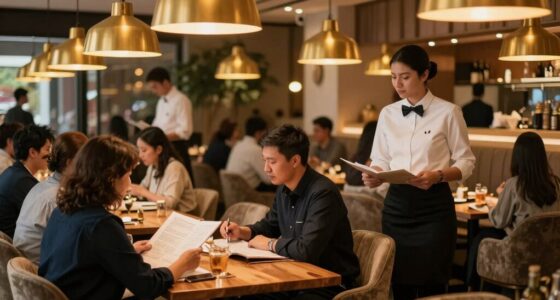
Staff coordination is equally essential. You cultivate an environment where communication is subtle but effective. Instead of shouting across the room, team members develop non-verbal cues—like eye contact, hand signals, or subtle gestures—that quickly convey needs or alerts. These habits eliminate unnecessary noise, helping the entire team stay focused and calm. You also conduct brief, focused pre-shift meetings to align everyone on their roles and the day’s specials, so there’s no confusion when service starts. During service, staff members work in sync—each knowing exactly when to clear plates, refill drinks, or prepare for the next course—without constant instruction. This coordination relies on familiarity with routines and trust in each other’s abilities.
You pay close attention to the flow of service, adjusting your staffing and table setups to prevent bottlenecks. For example, you position servers strategically, so they can move efficiently between tables without crossing paths or causing congestion. This proactive planning minimizes delays and keeps the dining experience smooth. You also implement systems for quick communication, like signal lights or pager systems, to alert staff when assistance is needed without disrupting the flow of the room. When everyone understands their responsibilities and communicates silently but effectively, the entire operation runs like a well-oiled machine.
In essence, your success hinges on these silent habits—meticulous menu organization and intuitive staff coordination. They foster a calm atmosphere, reduce errors, and ensure guests receive attentive service without chaos or confusion. Your dining room becomes a space where efficiency is second nature, achieved not through noise but through discipline, practice, and seamless teamwork.
non-verbal communication tools for restaurant staff
As an affiliate, we earn on qualifying purchases.
As an affiliate, we earn on qualifying purchases.
Frequently Asked Questions
How Do Silent Habits Impact Customer Satisfaction?
Silent habits considerably boost customer satisfaction by maintaining ideal noise levels, creating a comfortable environment. When noise stays in check, your guests feel more relaxed and can engage more easily in conversation. These habits also show attentiveness to customer needs, fostering a welcoming atmosphere. As you minimize disruptions, customers enjoy better service, leading to increased loyalty and positive reviews. Silent habits truly enhance overall dining experiences by balancing ambiance and engagement.
Are Silent Habits Suitable for All Types of Dining Establishments?
Silent habits can transform any dining space into a peaceful oasis, but they’re not perfect for every establishment. If your place thrives on lively chatter, strict silence might feel stifling. For fine dining or upscale venues, managing noise levels and maintaining refined visual aesthetics with subtle silent habits works beautifully. However, casual spots might benefit from a more relaxed atmosphere. Adapt silent habits thoughtfully to suit your restaurant’s vibe and clientele.
What Training Is Needed for Staff to Maintain Silent Habits?
You need focused training programs to help staff maintain silent habits. Start by teaching staff effective non-verbal communication, like subtle gestures and body language, to enhance staff communication without noise. Regular workshops reinforce these habits and guarantee consistency. Emphasize the importance of attentive listening and awareness during service. With ongoing training, your team will naturally adopt silent habits, creating a calm, efficient dining environment that enhances guest experience.
How Do Silent Habits Influence Overall Restaurant Cleanliness?
Think of your restaurant as a well-oiled machine in a 19th-century workshop. Silent habits boost restaurant cleanliness by encouraging precise tableware organization and vigilant floor cleanliness. When staff silently follow these routines, they prevent clutter and messes, reducing germs and maintaining a pristine environment. These habits create a seamless flow, ensuring your dining area stays spotless, inviting, and efficient—making guests feel comfortable and valued without distractions.
Can Silent Habits Be Customized for Different Dining Cultures?
Yes, you can customize silent habits for different dining cultures by understanding cultural variations and applying adaptation strategies. Observe how each culture approaches dining etiquette and incorporate respectful, unobtrusive routines that suit their norms. For instance, some cultures value quietness, so you’d emphasize subtle cleaning methods. Adapting silent habits guarantees your restaurant respects diverse customs while maintaining efficiency, creating a welcoming environment for all guests.
Conclusion
By adopting these silent habits, you’ll transform your dining room into an unstoppable force of efficiency. Imagine a space where every movement is perfectly timed, every utensil sings in harmony, and chaos is banished to the shadows. With just a few simple tricks, you’ll turn your dining room into a well-oiled machine, humming along like a symphony of productivity. Get ready to conquer clutter, streamline service, and make efficiency your new silent superpower!
NFL season / tailgating Picks
team gear
As an affiliate, we earn on qualifying purchases.